Hepatitis B infection can be transmitted from mother to child at birth, remain clinically silent for years and later cause irreversible liver damage or progress to hepatocellular carcinoma, specialists said on World Hepatitis Day, stressing that routine antenatal screening, timely birth‑dose vaccination and early diagnosis are the most effective defences.
Silent infection, preventable consequences
Clinicians across gastroenterology, gynaecology and gastrointestinal oncology said that the virus often produces no symptoms until liver injury is advanced.
"The liver is remarkably resilient and can continue functioning despite viral damage. By the time symptoms such as fatigue, abdominal swelling, jaundice or unexplained weight loss appear, liver damage may already be irreversible,"said Dr Devamsh G N, Consultant Gastroenterologist at SPARSH Hospital, Bangalore.
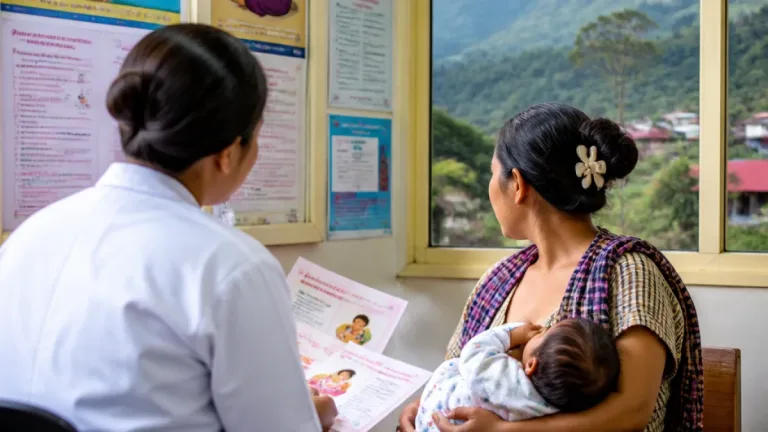
They emphasised that missed opportunities — particularly during pregnancy and infancy — represent preventable losses of life and health. Preventing mother‑to‑child transmission through universal antenatal screening and ensuring the birth‑dose of hepatitis B vaccine are central to reducing new chronic infections, the experts said.
What clinicians recommend
Dr Devamsh and other specialists advocated a layered approach combining screening, vaccination, early treatment and public awareness. Key recommendations include:
- Universal antenatal screening for hepatitis B surface antigen (HBsAg) to identify infected pregnant women and guide peripartum interventions.
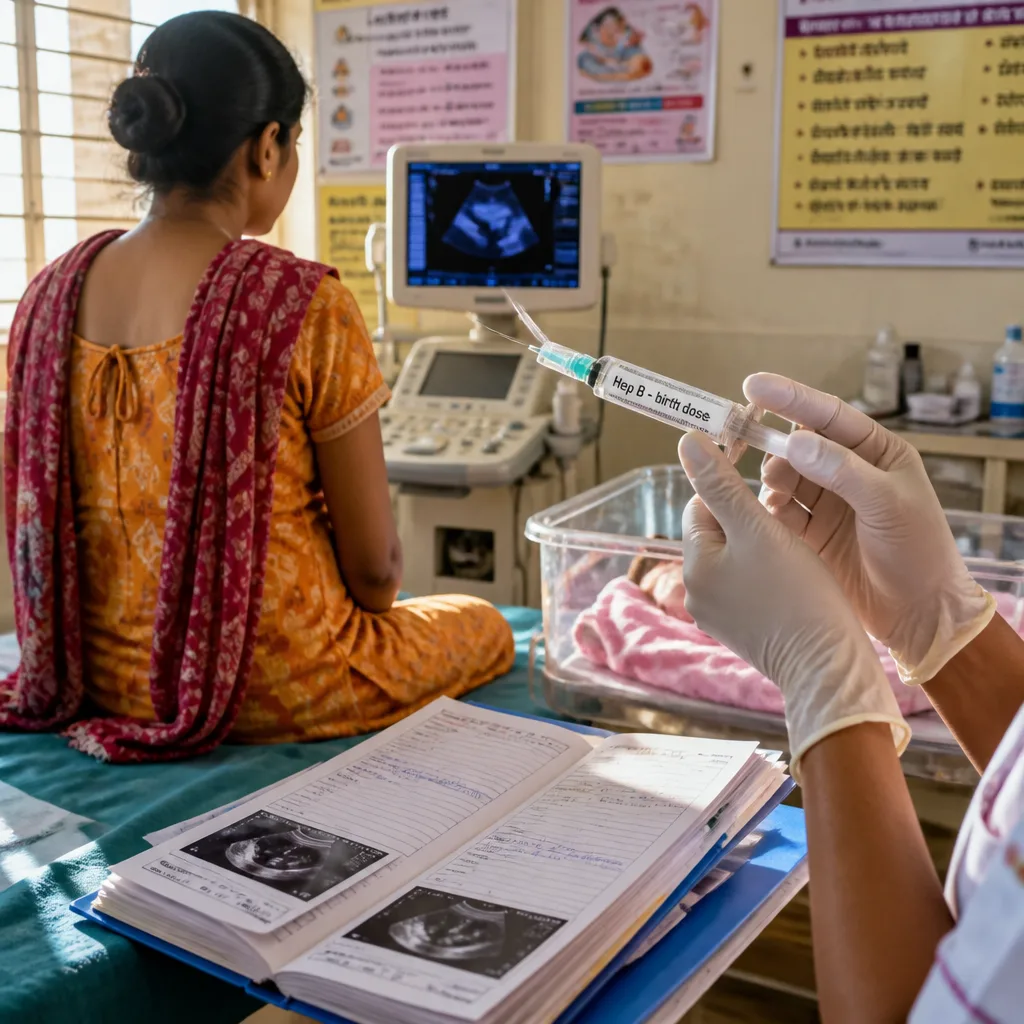
- Timely birth‑dose vaccination for all newborns, administered as soon as possible after birth.
- Targeted testing and regular follow‑up of high‑risk groups — including those with family history of liver disease, healthcare workers, people with diabetes, dialysis patients and those exposed to blood or body fluids.
- Early antiviral therapy for eligible patients to suppress viral replication and reduce inflammation, thereby lowering progression to cirrhosis and liver cancer.
- Public education to close immunisation gaps and raise awareness of silent infection and early warning signs.
They noted that the hepatitis B vaccine is one of the few vaccines that directly reduces the risk of a cancer — a point that underlines the preventive value of immunisation efforts.
Clinical impact of early diagnosis and treatment
According to the specialists interviewed, early identification of chronic hepatitis B enables timely initiation of modern antiviral therapies, which can suppress viral replication, reduce liver inflammation and slow disease progression. Regular follow‑up allows clinicians to monitor treatment response and screen for complications such as cirrhosis and hepatocellular carcinoma.
| Intervention | Primary purpose |
|---|---|
| Universal antenatal HBsAg screening | Identify infected mothers to prevent vertical transmission |
| Birth‑dose hepatitis B vaccine | Prevent neonatal infection and future chronic disease |
| Targeted testing of high‑risk groups | Early diagnosis and linkage to care |
| Antiviral therapy | Suppress replication, reduce inflammation, lower cancer risk |
Experts cautioned that liver disease can evolve despite the liver’s capacity to compensate, and that symptoms often appear late. They urged integration of hepatitis B screening into routine antenatal care and primary‑level services to capture infections early and ensure timely vaccination of newborns.
Public‑health practitioners also called for improved awareness among frontline health workers, including community health staff and primary clinicians, to identify patients who need testing and follow‑up. Strengthening supply chains to avoid vaccine gaps, and ensuring robust record‑keeping for birth doses, were cited as operational priorities.
On World Hepatitis Day, the consensus among specialists was clear: prevention through screening and vaccination should be scaled up alongside accessible diagnostics and treatment to substantially reduce India’s hepatitis B burden and the downstream risk of liver cancer.