Shillong: Reinforcing established breastfeeding practices rather than creating new solutions is the most effective route to improved maternal and child health in Meghalaya, health experts say, as the World Breastfeeding Week 2026 theme highlights “Breastfeeding for a Sustainable Start in Life: Strengthen What Works.”
Evidence-based measures remain central
In a commentary on breastfeeding, Dr Saswati Pattanaik emphasised that human milk provides complete nutrition for infants, protects against infectious and chronic diseases, supports cognitive development and reduces dependence on manufactured infant formula. Dr Pattanaik wrote that strengthening proven interventions — rather than reinventing strategies — is the most practical approach for policymakers and health systems.
The key practices identified include early initiation of breastfeeding soon after birth, exclusive breastfeeding for the first six months, and continued breastfeeding up to two years and beyond. Complementary measures cited as critical are skilled counselling, supportive health systems, involvement of family members and breastfeeding-friendly workplaces.
Why this matters locally
Breastfeeding yields benefits for both children and mothers. For infants, it ensures optimal growth and immunity during the critical early months. For mothers, breastfeeding aids postpartum recovery and may lower the risk of certain chronic diseases while strengthening emotional bonding with the child, the commentary noted.
According to the piece, increasing exclusive breastfeeding rates globally could save hundreds of thousands of children’s lives annually and substantially reduce healthcare costs — a consideration relevant to state-level health planning and resource allocation in Meghalaya.
Barriers that persist
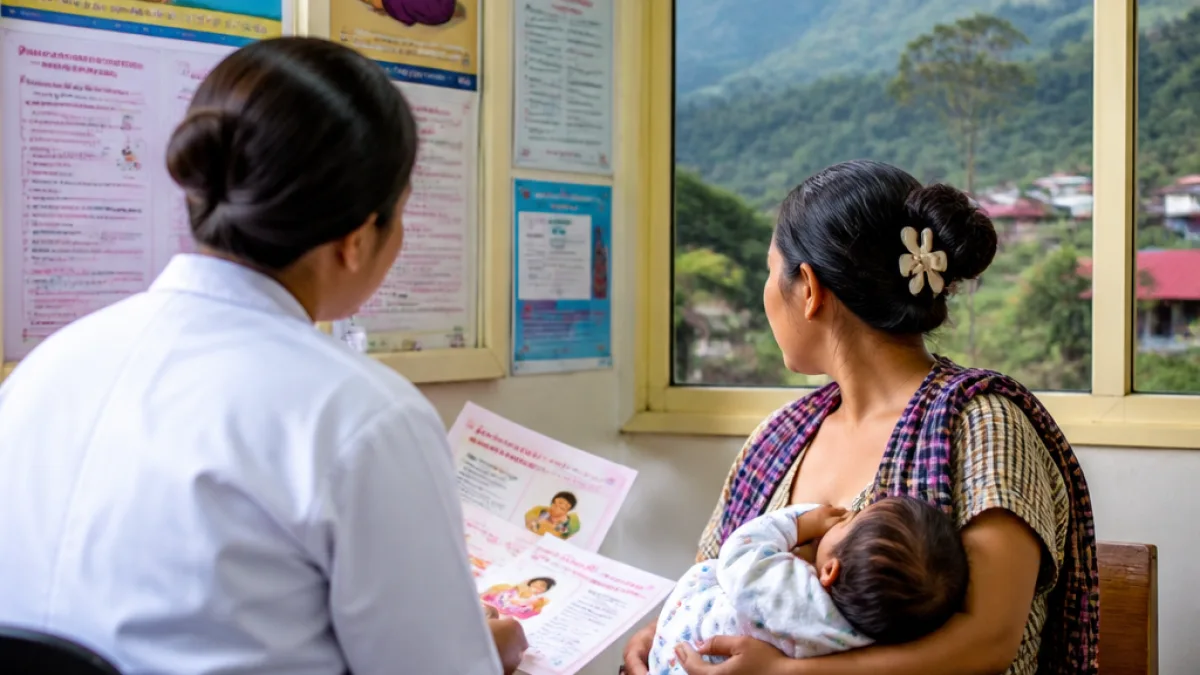
Despite long-standing evidence, many mothers discontinue breastfeeding earlier than recommended due to a mix of social, economic, workplace and healthcare constraints. Dr Pattanaik highlighted that gaps in counselling, insufficient family support and workplaces that are not breastfeeding-friendly remain common obstacles.
- Health-system gaps: Limited access to skilled lactation counselling in peripheral health facilities.
- Workplace constraints: Lack of facilities or leave policies for nursing mothers in formal and informal sectors.
- Social pressures: Stigma, myths and household practices that impede exclusive breastfeeding.
Practical steps for Meghalaya
Building on the commentary’s recommendations, state-level actions that can strengthen breastfeeding outcomes include scaling up counselling services at community and facility levels, training frontline workers, engaging families — particularly fathers and grandparents — and promoting breastfeeding-friendly policies at workplaces and in public institutions.
Health managers can prioritise interventions that are already proven to work, such as early skin-to-skin contact after birth, routine lactation counselling during antenatal and postnatal visits, and establishing mother-support groups in communities.
| Recommended practice | Who should act |
|---|---|
| Early initiation of breastfeeding (within 1 hour) | Obstetric teams, nurses, birth attendants |
| Exclusive breastfeeding for 6 months | Primary health centres, community health workers |
| Continued breastfeeding up to 2 years and beyond | Family members, child-health services |
| Skilled counselling and follow-up | Lactation counsellors, ASHAs, ANMs |
Policy and workplace considerations
Workplace support was highlighted as a key enabler. In Meghalaya, where many women work in agriculture, small businesses and the public sector, measures such as flexible hours, designated lactation spaces and adequate maternity leave can improve breastfeeding continuation. The commentary urged policymakers to incorporate breastfeeding-friendly provisions into workplace regulations and public institutions.
Dr Pattanaik’s piece reiterated that the existing body of evidence already provides the roadmap: strengthen what works, scale proven interventions, and ensure community engagement to make breastfeeding a feasible option for every mother.
For families and health providers in Meghalaya, this means focusing on interventions that can be implemented now — improving counselling, protecting mother–infant contact at birth, and creating supportive environments both at home and at work.
As World Breastfeeding Week 2026 draws attention to these priorities, local health departments, non‑governmental organisations and community leaders are being urged to intensify efforts to sustain and scale up effective breastfeeding support across the state.