Mumbai: Following Maharashtra’s decision to impose a one-year ban on analogue paneer, Gujarat has announced a similar prohibition on the manufacture, sale and distribution of the non-dairy paneer substitute, officials reported. The move marks an escalation in state-level action against products sold as regular dairy paneer but allegedly made from vegetable oils and other non-milk ingredients.
What prompted the bans
State authorities cited repeated food-safety raids and laboratory results that identified substandard paneer being sold in eateries and manufacturing units. Gujarat’s Health Minister Praful Pansheriya announced that the state had banned analogue paneer after inspections uncovered instances of the product being misrepresented as conventional dairy paneer.
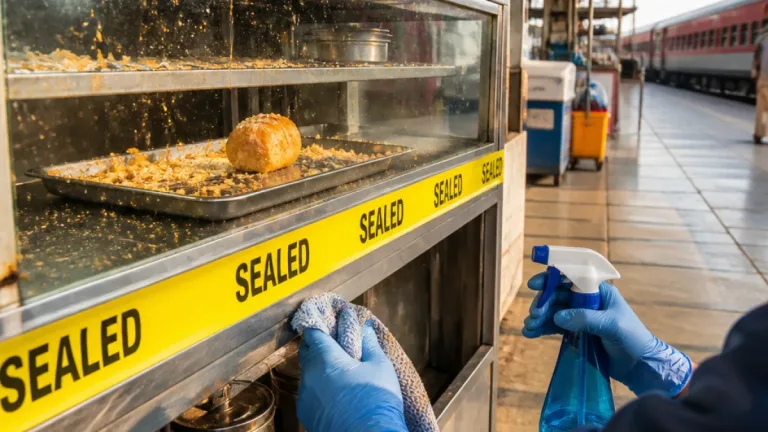
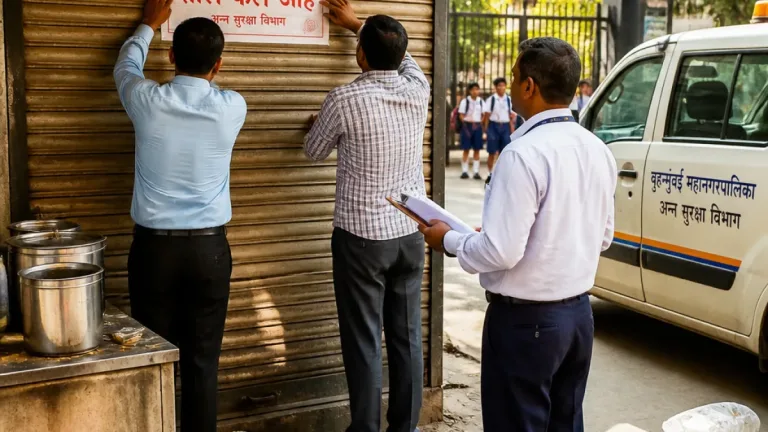
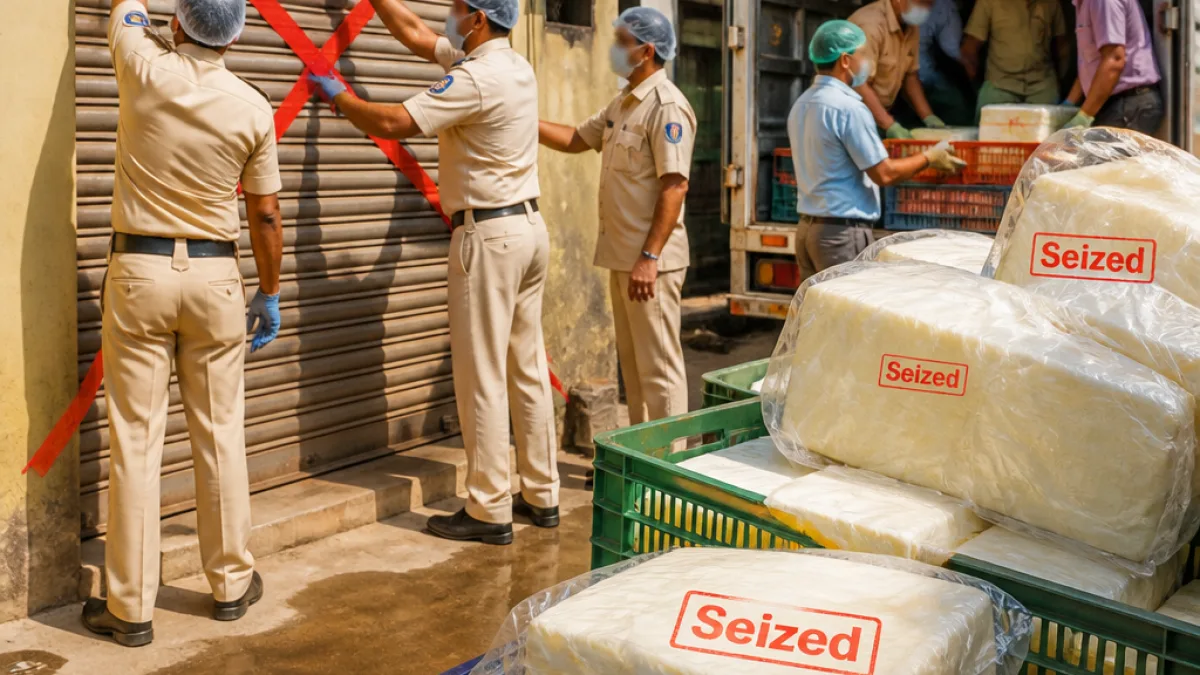
In Gujarat earlier this year, a six-day statewide drive by the Food and Drugs Control Administration (FDCA) led to the destruction of 703 kg of paneer. During the operation, officials inspected 2,527 establishments including hotels, restaurants, dhabas and manufacturing units. Notices were issued to 270 establishments, 18 units were sealed and 95 samples were sent for laboratory testing. Fines totalling ₹2.84 lakh were imposed.
Major seizures and testing
Separate enforcement actions in Gujarat flagged larger consignments of suspect paneer. In Surat’s Pandesara area, a joint raid by the Surat Municipal Corporation and the Special Operations Group at a unit named Amrut Milk Product resulted in seizure of 1,401 kg of paneer. Laboratory tests reportedly declared the stock substandard; officials said vegetable oil and traces of industrial acid were found instead of natural milk fat. Machinery worth ₹28.44 lakh was also seized in that action.
In Ahmedabad, municipal food department teams seized 244 kg of suspected substandard paneer valued at about ₹67,000, and a food unit was sealed after authorities found a paneer substitute being used without disclosure on its menu.
“Analogue paneer is a non-dairy alternative made using ingredients such as vegetable oils, starches, emulsifiers and other additives instead of milk fat,” the report said.
What is analogue paneer and why authorities object
Analogue paneer — sometimes described as a paneer substitute — is produced using vegetable oils, starches, emulsifiers and other additives in place of milk fat. It is cheaper to manufacture than conventional paneer and generally has lower protein content. Food-safety authorities have expressed concern on two counts:
- Misleading representation: consumers may be sold a non-dairy product as regular paneer without clear disclosure.
- Potential health and quality risks: laboratory tests in some seizures reportedly detected non-milk substances and contaminants.
Enforcement and penalties so far
Both Maharashtra’s and Gujarat’s actions aim to curb sale and distribution of products masquerading as dairy paneer. In Gujarat’s recent drive, authorities used inspection powers to seal units, issue notices, collect samples for testing and impose fines. The reported penalties and seizures to date include:
| Action | Figure |
|---|---|
| Paneer destroyed (FDCA drive) | 703 kg |
| Establishments inspected | 2,527 |
| Notices issued | 270 |
| Units sealed | 18 |
| Samples collected | 95 |
| Fines imposed | ₹2.84 lakh |
| Large seizure at Surat unit | 1,401 kg; machinery seized worth ₹28.44 lakh |
| Ahmedabad seizure | 244 kg; approx. value ₹67,000 |
Implications for consumers and businesses
For consumers, the bans and intensified checks mean closer scrutiny of paneer sold in retail outlets, hotels and restaurants. Establishments using paneer substitutes will be expected to declare non-dairy products transparently, or face action. For manufacturers and suppliers, the measures signal stricter compliance and possible legal ramifications for mislabelling or selling substandard food.
Officials have not yet published a common standard or labelling protocol for paneer substitutes; however, the current state-level prohibitions indicate that food-safety departments will prioritise detection of products represented as dairy paneer but made from alternative ingredients.
Looking ahead
With Maharashtra and Gujarat taking parallel steps, neighbouring states may review their regulatory stance on paneer substitutes. Consumers are advised to check product labelling and ask vendors about the source of paneer. Food-business operators should review inventory and raw-material documentation to ensure compliance with dairy-product norms and disclosure requirements.
Further details on legal provisions, testing protocols and timelines for enforcement actions were not available in initial reports.