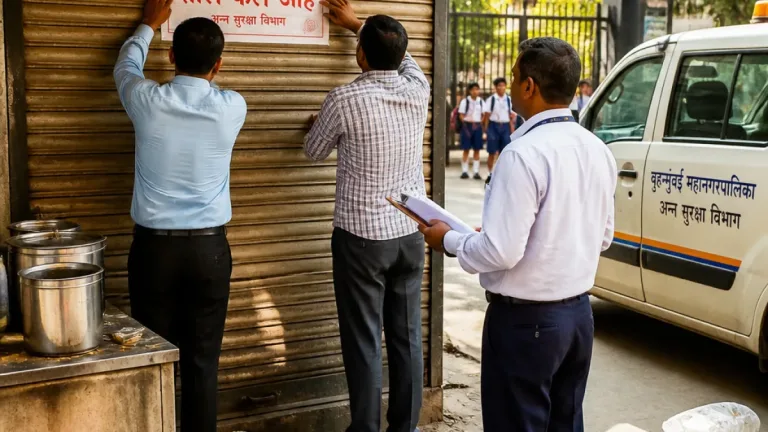

New Delhi: The Centre on Friday reported that 2,359 hospitals have been de‑empanelled and more than 1,200 suspended by state and Union Territory authorities for violating guidelines under the Ayushman Bharat‑Pradhan Mantri Jan Arogya Yojana (AB‑PMJAY), Union Health Minister JP Nadda told the Lok Sabha.
Enforcement actions, penalties and legal steps
The minister said authorities have registered 29 First Information Reports (FIRs) and imposed monetary penalties totalling Rs 328.49 crore for various breaches of scheme norms, according to the statement placed in the House. Nadda described the government’s approach as one of strict enforcement to protect beneficiaries and public funds.
AB‑PMJAY, the Centre noted, provides cashless coverage up to ₹5 lakh per family per year for secondary and tertiary hospitalisation to the bottom 40 per cent of the population. The scheme is implemented across all states and Union Territories, with several states aligning it with their own insurance programmes.
Use of technology to detect suspicious claims
The National Health Authority’s National Anti‑Fraud Unit (NAFU) is deploying artificial intelligence (AI) and machine learning (ML)‑based automated triggers to identify anomalous claim patterns, the minister said. These automated checks are designed to flag irregularities such as unauthorised billing, duplicate entries, inflated procedures and identity misuse, often within 24 hours of claim submission.
Claims that are flagged are subject to further scrutiny before payment. Where investigations confirm fraud, payments are rejected and additional administrative or legal action follows. The Centre reported that such measures resulted in cumulative savings of Rs 676.14 crore as of July 31, 2026.
- De‑empanelled hospitals: 2,359 (state/UT actions)
- Suspended hospitals: more than 1,200
- FIRs registered: 29
- Penalties imposed: Rs 328.49 crore
- Estimated savings from fraud detection: Rs 676.14 crore (till 31 July 2026)
Implications for beneficiaries and providers
The Centre’s update underscores ongoing efforts to curb abuse and protect the scheme’s integrity. By tightening automated surveillance and initiating punitive steps, authorities aim to deter misuse that could deprive legitimate beneficiaries of entitlements or divert public money.
At the same time, the action against hospitals places operational and compliance burdens on providers empanelled under AB‑PMJAY. De‑empanelment or suspension removes an institution’s ability to offer cashless treatment under the scheme until the matter is resolved, potentially affecting access for vulnerable patients who rely on empanelled hospitals for tertiary care.
| Metric | Value |
|---|---|
| De‑empanelled hospitals | 2,359 |
| Suspended hospitals | 1,200+ |
| FIRs lodged | 29 |
| Penalties | Rs 328.49 crore |
| Claim savings from fraud detection | Rs 676.14 crore (as of 31 July 2026) |
The minister’s statement, as reported in Parliament, indicates that the NAFU’s automated triggers are a key component of the government’s zero‑tolerance stance. Early detection is intended to prevent release of funds for dubious claims and to streamline follow‑up investigations by state authorities and law enforcement where necessary.
Implementation challenges remain, however. Ensuring due process for hospitals while quickly restoring services for permissible care, coordinating across central and state agencies, and maintaining robust beneficiary grievance redressal are among the issues implicit in large‑scale enforcement operations.
As AB‑PMJAY continues to expand its reach and claims volume grows, the Centre and implementing agencies have signalled that technology‑driven surveillance combined with administrative and criminal remedies will remain central to safeguarding the scheme.