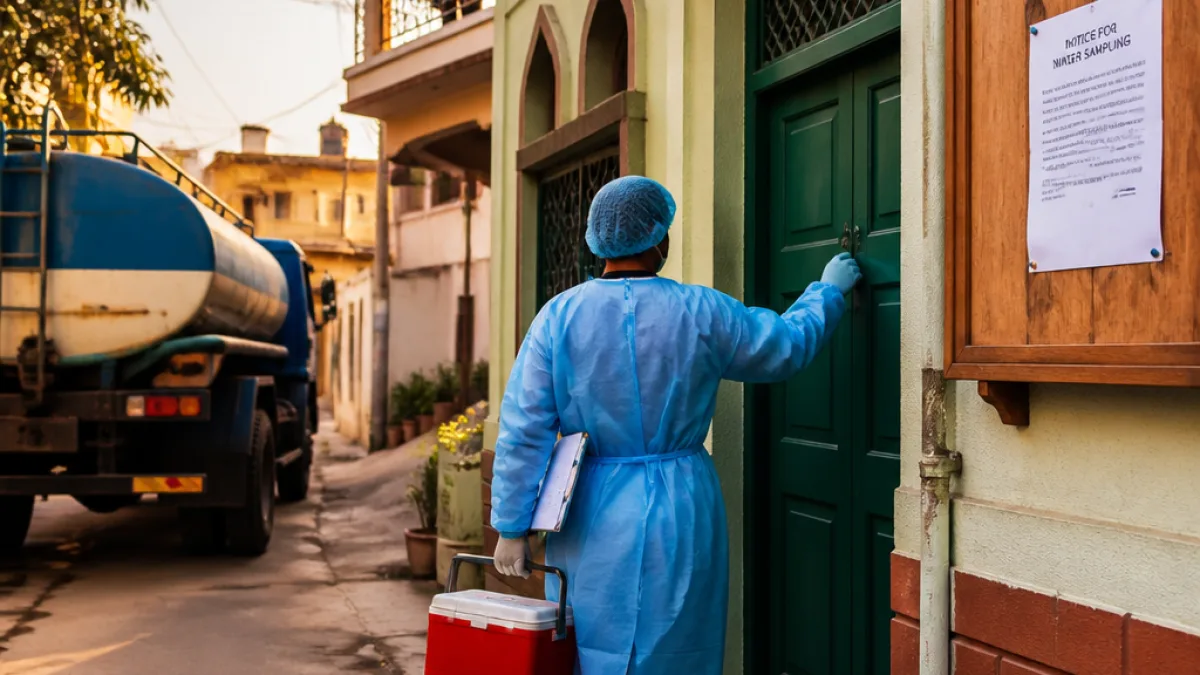
Chandigarh/Ambala: The National Human Rights Commission (NHRC) has taken suo motu cognisance of the reported death of a 12-year-old girl in Ambala and has issued a formal notice to Haryana Chief Secretary Anurag Rastogi, seeking a detailed report within two weeks on the circumstances surrounding the incident, the health status of other affected children and the steps being taken to identify and contain any source of contamination.
NHRC seeks administrative and medical details
The Commission's action follows media reports that the girl fell ill after consuming suspected contaminated drinking water and later developed jaundice. The NHRC wants a comprehensive account from the state government covering the girl's treatment, post-mortem findings if any, ongoing surveillance of other patients and remedial measures implemented by health and civic authorities.
According to published reports, several other children in Shahzadpur locality of Ambala have shown symptoms consistent with jaundice, prompting local health teams to conduct door-to-door screening and monitor residents for signs of illness. The NHRC has emphasised that, if the allegations about contaminated water are substantiated, the matter would engage the state's obligations to ensure the right to health and access to safe drinking water.
Local response and public-health measures
Health teams are reported to be conducting field-level surveillance in affected pockets. The NHRC has sought information on:
- Clinical condition and number of persons, especially children, who have developed jaundice;
- Laboratory testing carried out to identify any pathogen or chemical contamination in water samples;
- Actions taken by municipal and public-health authorities to provide safe drinking water and prevent further cases;
- Medical treatment and isolation arrangements, if applicable, and community awareness measures.
| Item | Detail requested by NHRC |
|---|---|
| Timeframe for response | Two weeks |
| Primary concern | Death of a 12-year-old and suspected contaminated drinking water |
| Location | Shahzadpur locality, Ambala district, Haryana |
Human-rights angle
The NHRC has framed the case as a human-rights issue, indicating that allegations of contaminated water could amount to a failure to secure basic entitlements, including clean water and accessible healthcare. The Commission has asked the state to explain what steps have been taken to prevent recurrence and to safeguard vulnerable populations, particularly children.
By invoking suo motu powers, the NHRC has signalled the need for administrative accountability rather than treating the death as an isolated medical event. The Commission's notice seeks details of preventive and remedial measures along with any findings from investigations into the source of contamination.
What residents should know
Local residents in Ambala, particularly in Shahzadpur, are advised to follow official guidance from health authorities. In such situations, general precautions typically include drinking only boiled or properly treated water, avoiding intake of suspect water sources until clearance from public-health laboratories, and seeking prompt medical attention for symptoms such as yellowing of eyes or skin, persistent vomiting, abdominal pain or fever.
The NHRC's direction compels the state administration to prepare a factual and time-bound response. The details requested should clarify whether the case was due to microbial contamination, chemical pollutants or other causes, and outline measures to restore safe water supply and ensure timely treatment for affected persons.
The Haryana government has been asked to submit the report to the NHRC within the specified period. Further developments, including any laboratory results or administrative advisories issued by state authorities, are awaited.
Reporting from Ambala and Chandigarh.