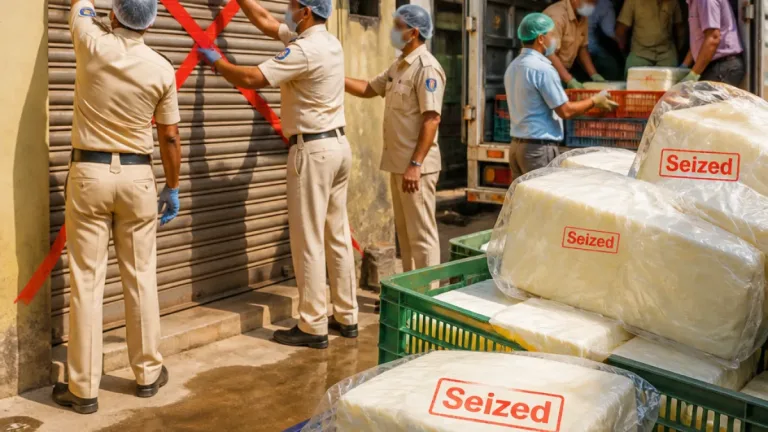
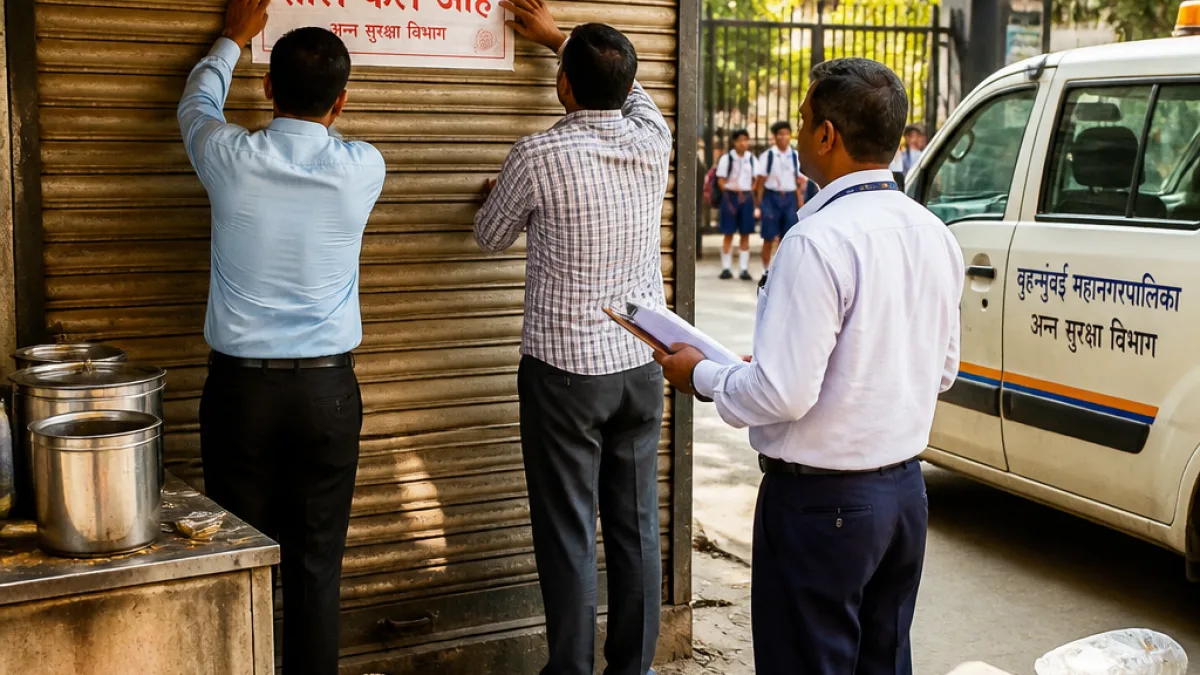
Mumbai: Maharashtra Food and Drug Administration (FDA) Commissioner Tukaram Mundhe on Tuesday directed a state-wide, mission-mode enforcement against violations by eateries operating near educational institutions, saying the intensified inspections will produce a "major impact" within the next 8-10 days, officials reported.
Coordinated drive with education and local authorities
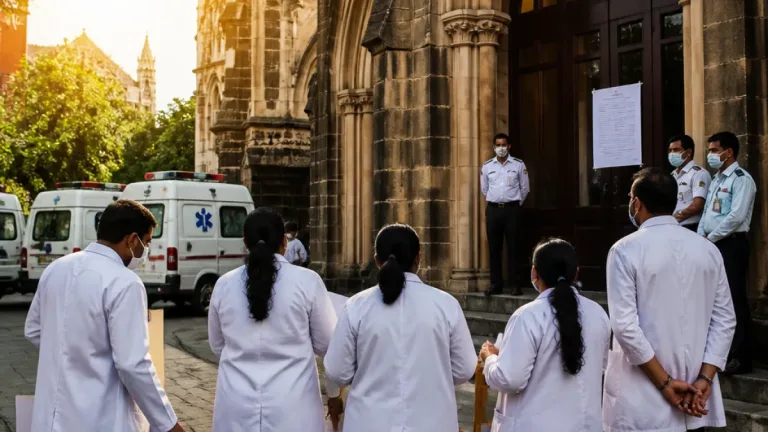
Mundhe held a video conference with senior officers from the Education Department, district education officials, Zilla Parishad CEOs and municipal commissioners, along with FDA assistant and joint commissioners, and reissued instructions to take rapid action, the report said. The meeting was convened to identify priority areas requiring immediate attention and to review the overall situation around schools and other learning centres.
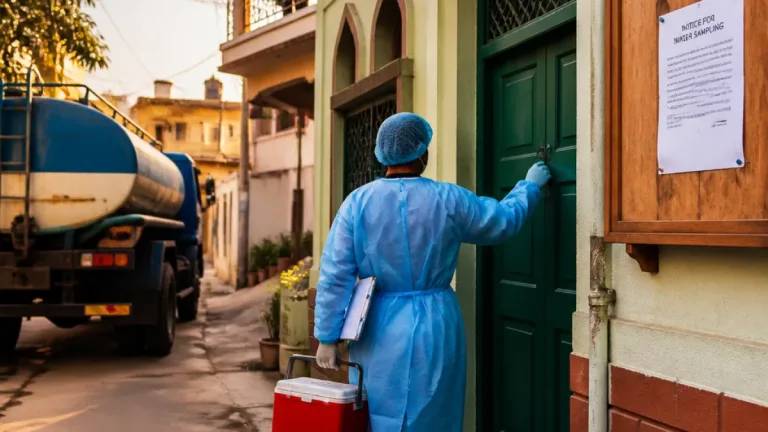
The FDA chief said inspections were already underway at several locations across the state and that enforcement would cover a range of food outlets popular with students, from roadside stalls to small eateries.
"This was just the beginning. Education Department has been instructed; we too have done a review and you will get to see a major impact in the coming 8-10 days," Mundhe said.
Focus and public appeal
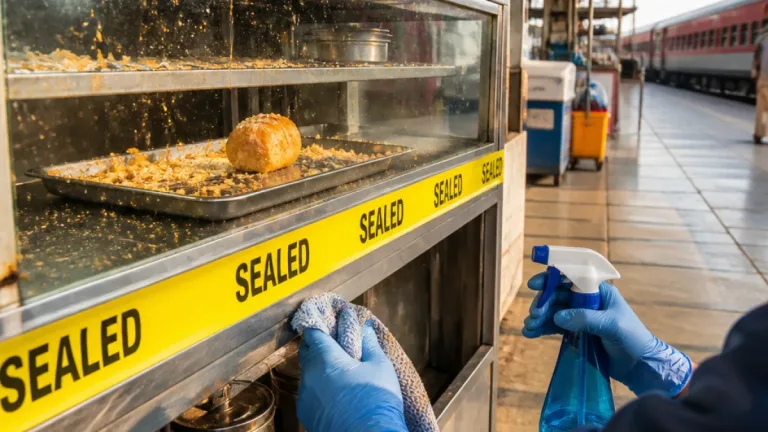
Officials indicated the drive will look at food safety, hygiene and compliance with rules under the Drugs and Cosmetics Act, 1945, where applicable. Mundhe appealed to citizens to report unhygienic food establishments, urging people not to consume food from places where sanitary standards are compromised.
- Inspections are being carried out at multiple locations across Maharashtra.
- Both the Education Department and local administrations have been instructed to act in "mission mode".
- Members of the public are being asked to report unsanitary conditions at eateries.
Scope of action and legal basis
The FDA said action will be taken against outlets violating rules irrespective of cuisine or item sold, including vendors selling popular local snacks. The department reiterated that enforcement steps are governed by existing laws and regulations.
Responding to allegations by a pharmaceutical firm that the FDA had acted arbitrarily in a separate case, Mundhe said the department had followed procedures under the Drugs and Cosmetics Act, 1945, including seizure and recall when warranted. He added that notices had been served and that details had been sought from other regulatory bodies where necessary, according to the report.
Practical implications for schools, parents and vendors
The intensified inspections are likely to affect a wide range of food businesses that operate in the vicinity of schools, colleges and other educational institutions. Vendors may face notices, seizure of non-compliant products, recalls or temporary suspension until deficiencies are remedied. School authorities and district administrations have been asked to co-operate with the FDA during the enforcement exercise.
Parents and guardians who are concerned about food safety around their children's schools have been advised to use the complaint mechanisms provided by local civic bodies and the FDA to register reports of unhygienic outlets.
| Stakeholders | Role in drive |
|---|---|
| FDA | Lead inspections, issue notices, seize and recall substandard products |
| Education Department | Identify educational clusters, coordinate with district officials |
| Municipalities / Zilla Parishads | Support on-ground enforcement, sanitation checks, local licensing |
Background and next steps
The FDA said the current push is a renewed effort to tackle persistent hygiene shortfalls among food units operating close to schools. While officials claim cleanliness has improved in some areas, they acknowledged more work is required.
Authorities indicated that follow-up reviews will be conducted after the initial 8-10 day period to assess impact and determine further action. Citizens who encounter unhygienic conditions at eateries have been urged to lodge complaints rather than consume food from such establishments.
Further details on specific enforcement outcomes, affected locations or numbers of establishments inspected were not provided in the initial statement.