A recent analysis indicates that as the United States refocuses its security relationship with Israel around high‑end defence technology rather than traditional arms transfers, India is well placed to derive benefits from the evolving partnership. The assessment, cited by IANS, points to India’s existing collaborative frameworks with both nations as a key factor in its favourable positioning.
Existing partnerships offer an entry point
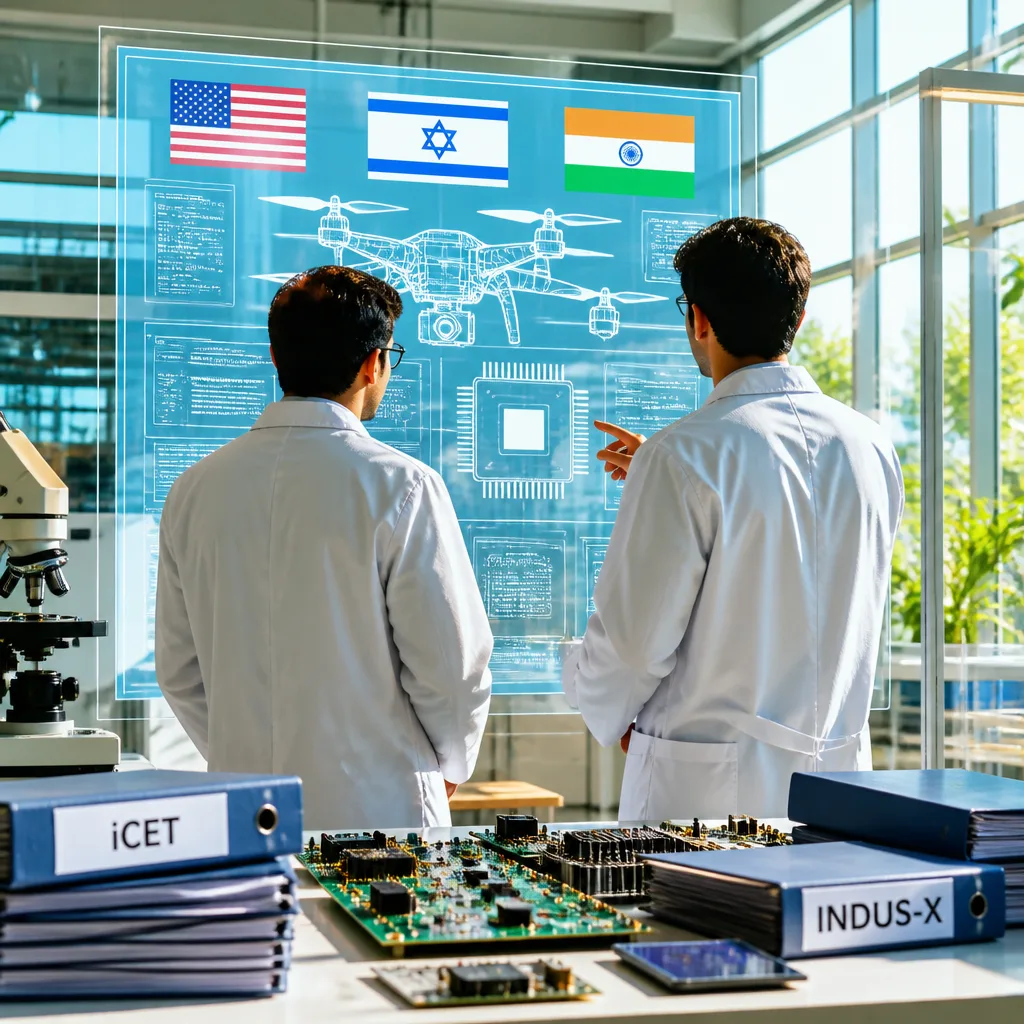
India already participates in bilateral and trilateral initiatives that link its defence innovation ecosystem with American and Israeli counterparts. Programmes such as iCET and INDUS‑X, along with ongoing defence cooperation with Israel, provide channels through which cutting‑edge technologies and collaborative research can be shared, the report said.
Those familiar with defence technology diplomacy say the shift in Washington’s posture — emphasising technology collaboration, joint R&D and co‑development over conventional big‑ticket sales — creates new avenues for nations with strong ties to both capitals. In this recalibrated environment, New Delhi may find increased scope to access advanced systems, partner on projects and integrate innovations into its own modernisation plans.
Opportunities and practical routes
The report highlights several practical mechanisms by which India could benefit:
- Enhanced trilateral research and development through existing platforms such as iCET.
- Technology transfer and co‑development enabled by joint programmes under INDUS‑X.
- Improved interoperability and adoption of mature, battle‑tested solutions originating from Israeli–US collaboration.
While the analysis did not list specific systems, it emphasised that policy shifts in partner nations often open up opportunities for allied users to negotiate access to advanced capability sets and associated industrial partnerships.
Strategic implications for India
For New Delhi, deeper access to next‑generation defence technologies could accelerate indigenisation and modernisation efforts. Participation in collaborative R&D projects can also strengthen the domestic defence industrial base by enabling Indian firms and research institutions to absorb advanced engineering practices, systems integration skills and supply‑chain standards.
At the same time, closer techno‑strategic engagement with Washington and Tel Aviv will require careful diplomatic and policy calibration. India must balance its strategic autonomy with the operational realities of interoperable systems and export controls that often accompany high‑end technology transfers.
“India is well positioned to benefit from the deepening US‑Israel defence technology partnership,” the report said, noting the country’s existing strategic ties to both capitals.
What remains unclear
The report cited by IANS does not enumerate timelines, specific capability areas or the precise modalities of technology flows. Questions remain on export control regimes, intellectual property arrangements and the commercial terms under which Indian industry might participate in co‑development. These factors will determine the pace and scale of any real transfer or collaboration.
| Area | Current linkages |
|---|---|
| Policy platforms | iCET, INDUS‑X |
| Defence cooperation | Bilateral ties with Israel, engagements with US defence industry |
As defence partnerships among major powers evolve around sophisticated technology, India’s ability to convert favourable positioning into concrete capability gains will depend on diplomatic negotiation, regulatory alignment and the readiness of domestic industry to absorb complex systems. The report suggests the potential is real, but the pathway will require sustained policy attention and strategic planning.