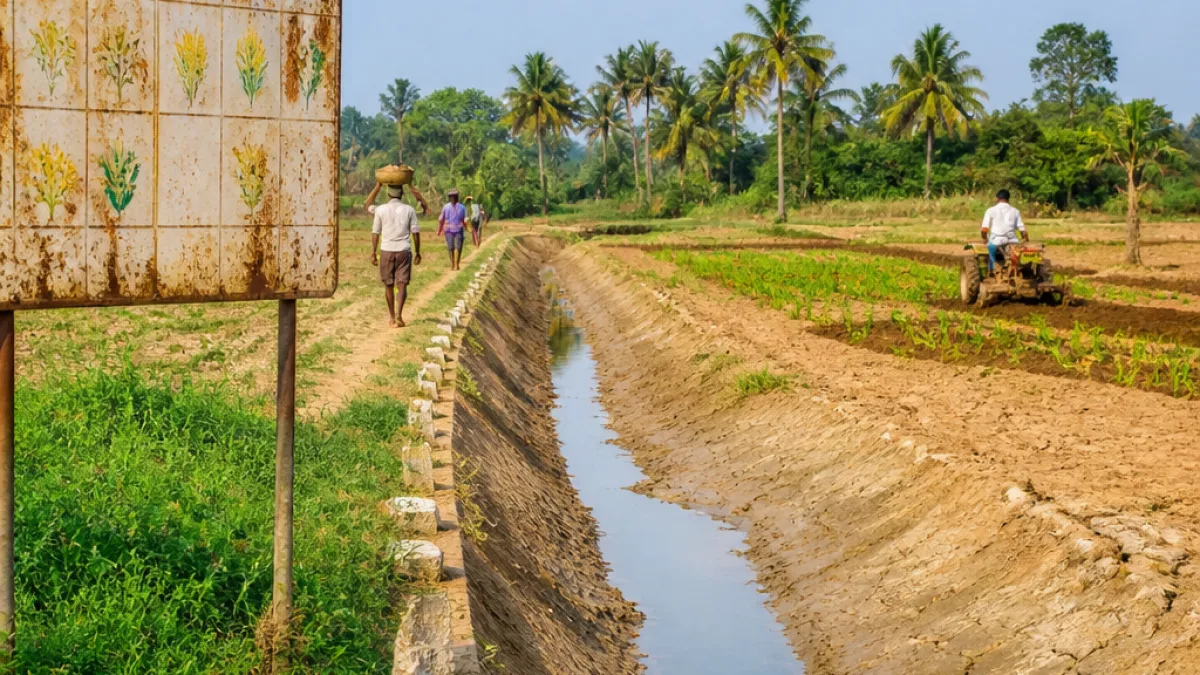
Mysuru: Facing a severe shortfall in southwest monsoon rains and constrained irrigation supplies, farmers across Mysuru district have begun shifting large tracts of land from paddy and cotton to less water‑intensive and drought‑resistant crops such as ragi, maize and pulses, district agriculture officials said.
Department raises ragi, maize targets as sowing lags
The agriculture department has increased this season’s ragi cultivation target to 79,998 hectares from 62,000 hectares last year, and boosted the area targeted for maize to 49,450 hectares from 42,000 hectares previously. By mid‑July, sowing in the district had been completed on 1.6 lakh hectares, representing 42% of the district’s overall target of 3.7 lakh hectares, sources in the department said.
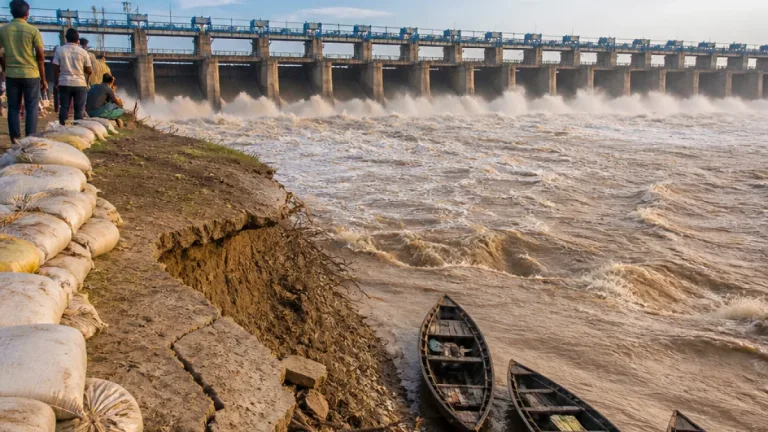
Officials attributed the shift to a continuing deficit in southwest monsoon rains and the consequent lack of irrigation water. The district recorded a rainfall deficit of 53% in June, a shortfall that has prompted advisories from both district and state authorities urging farmers to limit paddy cultivation and favour drought‑tolerant alternatives.
"The department has been encouraging farmers to take up ragi, maize and other drought‑resistant crops such as pulses instead of paddy this year, both in irrigated and rain‑fed areas, as irrigation water has not been released."
The remark was made by the joint director of agriculture, KH Ravi, in statements to the press. Officials said the recommendation applies not only to traditionally rain‑fed lands but also to areas that would ordinarily receive irrigation, because releases from canals and other sources have been limited.
Cotton acreage contracts sharply
Until recent years, rain‑fed sections of HD Kote, Saragur, Hunsur, Periyapatna and parts of Nanjangud and Saligrama taluks were known for cotton cultivation. The agriculture department had set a target of cultivating cotton on 50,000 to 55,000 hectares, but that area has been shrinking steadily as sowing rains have become less reliable.
This season cotton sowing has fallen to 7,090 hectares against a cited target of 25,495 hectares. Last year, cotton had been cultivated on 32,035 hectares in the district, indicating a sharp reversal in farmer uptake amid the current dryness. Officials said the proportion of the cotton target achieved this year stands at around 27%.
Commercial crops and tobacco targets
Despite efforts by the department to restrict the expansion of tobacco and other commercial crops, authorities have retained a substantial target for flue‑cured Virginia (FCV) tobacco in specific taluks. The department has targeted FCV tobacco cultivation on 63,500 hectares spread across HD Kote, Hunsur, Periyapatna and parts of KR Nagar and Saligrama taluks.
- Ragi target: 79,998 hectares (up from 62,000)
- Maize target: 49,450 hectares (up from 42,000)
- Sowing completed by mid‑July: 1.6 lakh hectares (42% of 3.7 lakh target)
- Cotton sown this year: 7,090 hectares against target of 25,495; last year 32,035 hectares
Agriculture officials said extension staff and block‑level officers are advising farmers on seed choice, spacing and post‑sowing management to optimise yields of ragi, maize and pulses under moisture‑stress conditions. The department has also been promoting drought‑resilient input packages and contingency cropping plans where feasible.
| Crop | Last year (ha) | This year target (ha) |
|---|---|---|
| Ragi | 62,000 | 79,998 |
| Maize | 42,000 | 49,450 |
| Cotton (actual last year) | 32,035 | — |
Farmers and local agronomists said the move away from paddy and cotton is pragmatic amid curtailed water availability. Farmers who historically relied on rain‑fed cotton have begun seeking seed, fertiliser and market advice for ragi and maize, which demand less water and have shorter crop cycles.
District officials noted that while encouraging drought‑tolerant food crops is intended to safeguard yields and farmers’ incomes, the shift will have implications for local input supply chains, storage and marketing infrastructure. Authorities said they will monitor acreage trends and extend technical support to smooth the transition and limit distress.
As the monsoon evolves, the department will continue to issue advisories and adjust targets based on actual rainfall and reservoir releases, officials added.