Students and faculty shift classrooms to forests for hands-on conservation learning
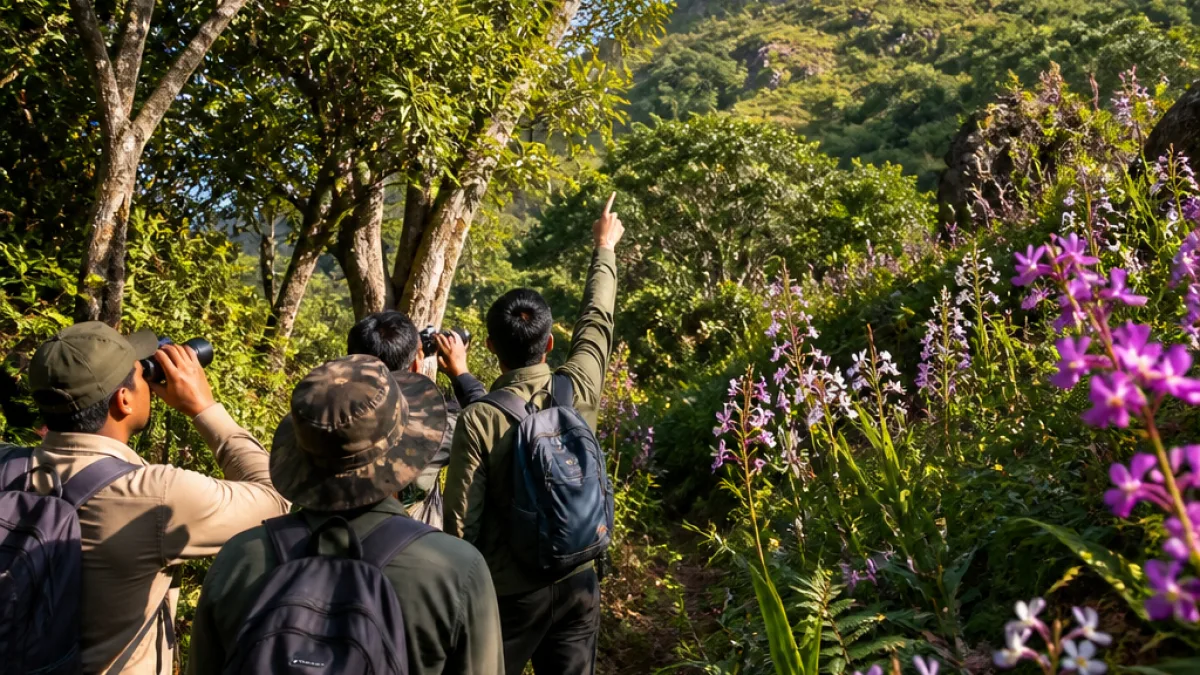
Members of the Environmental Forum of Government Arts and Science College (Autonomous), Coimbatore, spent five days in the Anamalai Tiger Reserve, replacing conventional classroom teaching with field observations and conservation studies, according to the organisers. The camp combined nature walks, bird watching and visits to interpretation centres and restoration sites to familiarise participants with wildlife, forest management and water-resource conservation.
On the first day, while travelling towards Valparai, the group encountered monkeys and Nilgiri tahr, and, according to members, witnessed a flock of great hornbills taking off together — an experience described as memorable by participants.
"The sight of a flock of Great Hornbills taking off at one go was a lifetime experience," members of the Environmental Forum said.
Site visits focused on rainforest ecology, water conservation and species identification
The camp included visits to several locations within and around the reserve. At the Teak to Tiger Gallery (Attakatti Wildlife Interpretation Centre), participants were briefed on rainforests, trees, wildlife, forest resources, forest conservation and forest management. At the Hornbill View Point and the Anamalai Orchidarium they recorded nearly 80 endemic orchid species on display.
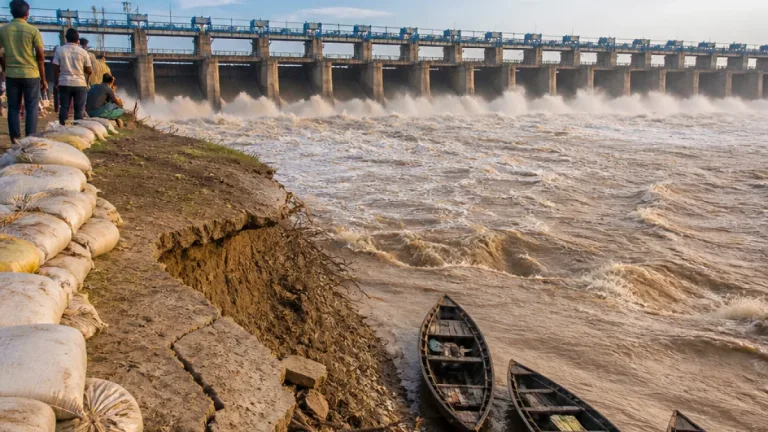
Visits to Kadambarai Dam and Upper Aliyar Reservoir provided insights into the conservation of water resources, said Premalatha, Associate Professor of the Zoology Department. The participants also visited the Nature Conservation Foundation (NCF) nursery to learn about rainforest conservation and restoration efforts directly from NCF ecologists.
- Field observations included birds, mammals and invertebrates.
- Practical sessions covered rainforest restoration, nursery management and human-wildlife conflict mitigation.
- Interpretation-centre briefings addressed forest management and conservation strategies.
Species and encounters documented during the camp
During their stay the team recorded a variety of fauna and butterflies as well as plant life. Besides the great hornbill, the list of birds and animals documented comprises the Malabar grey hornbill, Malabar whistling-thrush, Malabar parakeet and white-bellied treepie. Mammals and other species sighted included elephants, wild buffalo, ibex and mountain squirrel, while butterflies such as red pierrot and chocolate pansy and a common crow caterpillar were also noted.
| Location visited | Main focus |
|---|---|
| Valparai en route | Wildlife sightings (monkeys, Nilgiri tahr) |
| Teak to Tiger Gallery / Attakatti | Rainforest and forest management interpretation |
| Hornbill View Point | Bird observation (hornbills) |
| Anamalai Orchidarium | Display of ~80 endemic orchid species |
| Kadambarai Dam & Upper Aliyar Reservoir | Water resource conservation insights |
| NCF nursery | Rainforest conservation and restoration practices |
Learning outcomes and conservation context for Coimbatore
Organisers said the camp aimed to deepen students' understanding of the local ecosystem and to provide practical exposure to conservation challenges, notably those concerning elephant conservation and human-wildlife interactions. NCF ecologists explained the dynamics of human-elephant conflict during the sessions, linking field observations to ongoing conservation and mitigation efforts.
Participants returned with a reinforced appreciation of conservation priorities, having combined direct species observations with technical briefings and nursery-based restoration demonstrations. The experiential learning model followed in the camp is intended to complement classroom instruction at the college and to encourage student involvement in local conservation initiatives in and around Coimbatore.
Academic authorities noted that such field camps expose students to the interdisciplinary nature of conservation work — from ecological surveys and habitat restoration to community-based conflict mitigation and water-resource management — and can inform future local engagement by youth groups and college forums.