Board flags procedural lapses, community rights
The Ladakh State Board for Wildlife (SBWL) on Saturday rejected a sub-committee report that proposed final boundaries for three protected areas, directing that the rights and claims of local communities be settled through public hearings within two months.
The decision was taken at the 16th meeting of the newly constituted SBWL, chaired by Lieutenant Governor Vinai Kumar Saxena. The three protected areas under scrutiny are the Hemis National Park, the High Altitude Cold Desert (Changthang) Wildlife Sanctuary and the Karakoram (Nubra-Shyok) Wildlife Sanctuary.
Board says statutory process was not followed
The Board noted that the preliminary notification issued in 1987 had not been accurately mapped to ground realities. It found that the sub-committee had not carried out the statutory procedure required under the Wildlife (Protection) Act, 1972 to settle rights of individuals and communities residing within the proposed protected areas.
"The statutory procedure under the Wildlife (Protection) Act, 1972, for settling the rights of individuals and communities living within the proposed protected areas had not been undertaken by the sub-committee," Saxena said.
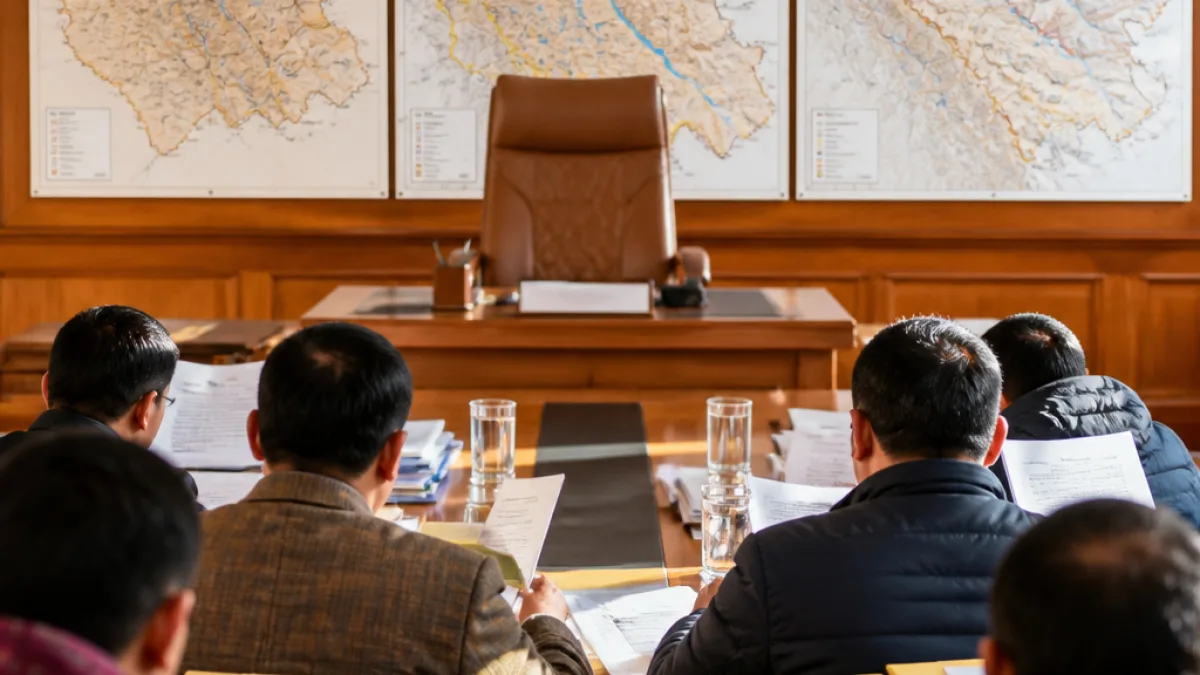
According to the Board, the boundary-delineation had been done largely as a table-top exercise rather than through the legally mandated process that includes field-level verification and settlement of claims. Such an approach, the Board observed, renders the exercise vulnerable to legal challenges and inequitable for affected residents.
Local settlements, security and mapping gaps raised
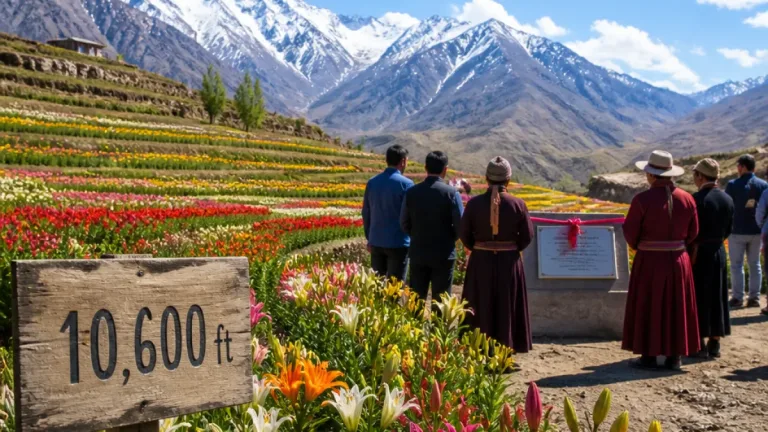
Members highlighted concerns raised by local communities about longstanding settlements and habitations being included in the proposed sanctuary boundaries. The Board said several such habitations have existed for decades and were not recognised in the sub-committee's mapping.
The SBWL also pointed to wider omissions in the sub-committee’s exercise: defence and national security considerations had not been adequately incorporated, and internationally recognised boundaries depicted on Survey of India maps were not used as reference while determining limits.
Next steps: public hearings, settlement officers tasked
In view of these discrepancies, the Board set aside the sub-committee report and directed designated Deputy Commissioners/Settlement Officers to resume public hearings and complete the process within two months. The hearings are intended to record claims, objections and customary rights before any final notification is issued.
- Three protected areas affected: Hemis NP, Changthang Wildlife Sanctuary, Karakoram (Nubra-Shyok) Wildlife Sanctuary.
- Primary concern: failure to follow statutory settlement process under the Wildlife (Protection) Act, 1972.
- Board ordered public hearings and mapping corrections within two months.
Implications for communities and conservation
The Board’s decision restores emphasis on due process and community consultation before formalising protected-area limits. For residents, it means an opportunity to present historical land use, grazing rights and habitation claims during the hearings. For administrators and conservation planners, the ruling requires reworking maps and ensuring alignment with national security and Survey of India demarcations.
| Protected Area | Main Concern Noted by SBWL |
|---|---|
| Hemis National Park | Inclusion of long-established settlements; lack of field settlement process |
| High Altitude Cold Desert (Changthang) | Boundary mapping not reflecting ground realities; process gaps |
| Karakoram (Nubra-Shyok) | Strategic areas and security considerations not adequately incorporated |
The Board’s findings underline the need to balance conservation objectives with the rights of people living in high-altitude landscapes, where traditional livelihoods such as pastoralism and small-scale agriculture persist alongside ecological priorities.
Administrative accountability and legal robustness
By setting aside the sub-committee report, the SBWL has signalled that administrative exercises determining protected-area limits must be legally robust and locally legitimate. The two-month timeline for hearings will test the capacity of Deputy Commissioners and Settlement Officers in remote parts of Ladakh to convene inclusive processes, document claims and reconcile conflicting interests.
The Board’s action may also affect future conservation notifications and any downstream decisions on land use, access and management inside the proposed boundaries. Final notification without following prescribed legal steps could expose the process to judicial review, the SBWL indicated.
Details on schedules for the public hearings and the mechanism for documenting and adjudicating claims will be released by the designated district authorities in due course, the Board said.
Stanzin Angmo, Correspondent