The Union Government has notified that the second phase of the national Census — the population enumeration — will be conducted in Ladakh from 1 to 30 September 2026, a move that sets in motion the house-to-house count across the Union Territory after the ongoing houselisting exercise.
Reference date, revisional round and self-enumeration
The Registrar General of India and Census Commissioner, Mrityunjay Kumar Narayan, issued the notification fixing 01 October 2026, 00:00 hours as the reference date for Ladakh and other snow-bound, non-synchronous areas. A revisional round of enumeration has been scheduled from 1 to 5 October 2026.
"The reference date for the census in the union territory of Ladakh and snow bound non-synchronous areas... shall be 00.00 hours of the first day of October, 2026," the notification said.
The notification also provides for an option of self-enumeration for residents in the notified areas from 17 to 31 August 2026, immediately prior to the start of the house-to-house population count. For the remainder of the country, the population enumeration phase is expected to be held during 2027, as part of the two-phase Census exercise.
First phase ongoing; what was collected
The first phase — the Houselisting and Housing Census — is currently underway and will continue until 30 September 2026. Enumerators have been visiting houses and buildings to collect information that forms the base for the population enumeration.
During houselisting, enumerators record responses to a set of 33 questions covering household and housing characteristics. These include the name and sex of the head of household, ownership status and basic household facilities.
- Houselisting period: ongoing until 30 September 2026
- Self-enumeration window: 17–31 August 2026
- Population enumeration: 1–30 September 2026
- Revisional round: 1–5 October 2026
- Reference date: 00:00 hours, 1 October 2026
New data points and financing
The 2026 exercise will, for the first time since independence, include the collection of caste details during the population enumeration phase. The decision to collect caste data was approved by the Cabinet Committee on Political Affairs on 30 April 2025.
The Union Cabinet has sanctioned ₹11,718 crore for the conduct of the Census, which is the country’s decennial population count and will be the eighth such exercise since Independence.
| Item | Dates |
|---|---|
| Self-enumeration window | 17–31 August 2026 |
| Houselisting and Housing Census | Ongoing until 30 September 2026 |
| Population enumeration in Ladakh | 1–30 September 2026 |
| Revisional round | 1–5 October 2026 |
| Reference date | 00:00 hours, 1 October 2026 |
Implications for residents and administration
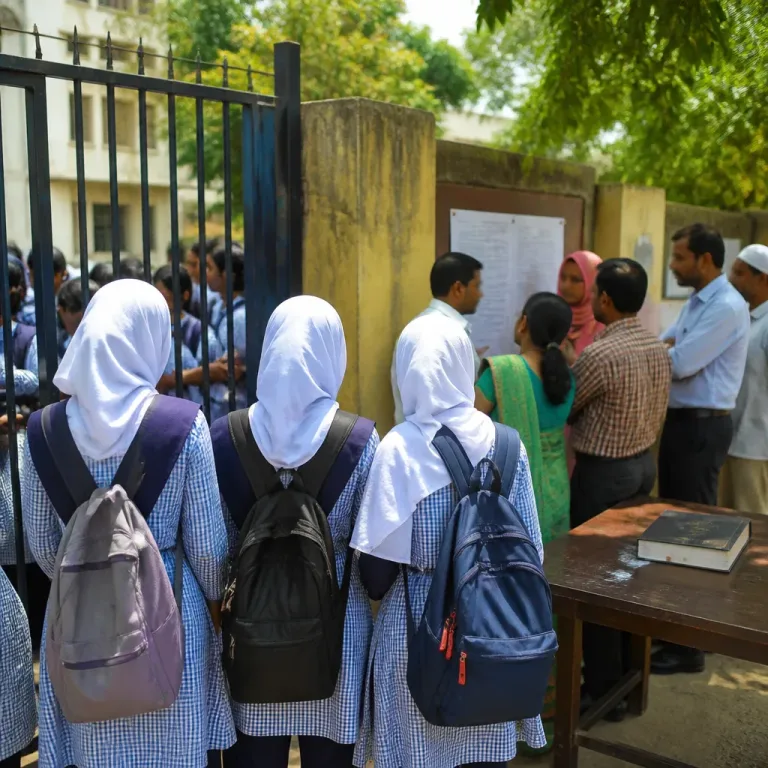
The notification has immediate practical implications for residents of Leh, Kargil and other habitations across Ladakh. Households that may be absent during the enumerators’ visits can opt for self-enumeration in the prescribed window, while administration at district and UT level will need to arrange training, staffing and logistics to complete the field exercise within the tight time frame, especially in high-altitude and snow-affected areas.
Enumerators are expected to reach remote settlements and seasonal habitations during the scheduled period. The revisional round from 1–5 October is intended to correct omissions or errors identified after the primary enumeration.
Background
The decennial Census was originally due in 2021 but was postponed because of the COVID-19 pandemic. The two-phase modality adopted for this round separates houselisting and housing information collection from the population enumeration. The inclusion of caste is a significant change to the scope of information gathered during the population count.
Authorities in Ladakh and neighbouring snow-bound districts have been receiving preparatory guidance from the Registrar General’s office and the Home Ministry as the September schedule approaches.
Further operational details — including identity verification norms for enumeration, the technology to be used in field recording and arrangements for protecting respondent privacy — are expected to be communicated by the census authorities as the exercise nears.