Majority of names excised from Delhi draft roll listed as 'permanently shifted'
The draft electoral roll published under the ongoing Special Intensive Revision (SIR) drive has removed 47.56 lakh entries from Delhi’s voters list, of which a clear majority — 31.59 lakh — are marked ‘permanently shifted’, according to data uploaded on the Delhi Chief Electoral Officer (CEO) website.
The deletions have been categorised under the Election Commission’s ASDD framework — Absent, Shifted, Dead and Duplicate — and the CEO’s analysis shows 11.73 lakh entries labelled ‘untraceable/absent’, 2.82 lakh as ‘dead’ and 1.41 lakh as ‘duplicate’ or ‘already enrolled’.
- 31.59 lakh marked permanently shifted
- 11.73 lakh untraceable/absent
- 2.82 lakh marked dead
- 1.41 lakh duplicate/already enrolled
Age-analysis of the removals shows more than 10 lakh of those marked ‘permanently shifted’ are in the 30–39 age group. The deletions are spread across the city’s 14,947 polling booths, covering all 70 Assembly constituencies.
The CEO’s uploaded ASDD lists reveal a striking pattern of concentration in many booths. In at least one booth in each Assembly constituency, over 95% of the names removed were placed in one of the four categories. There are 1,090 booths where at least 95% of removals were attributed to a single reason; of these, 1,042 booths had ‘permanently shifted’ as the reason.
"These 1,042 booths together account for nearly 4.5 lakh deletions, of which 4.37 lakh were classified as ‘permanently shifted’."
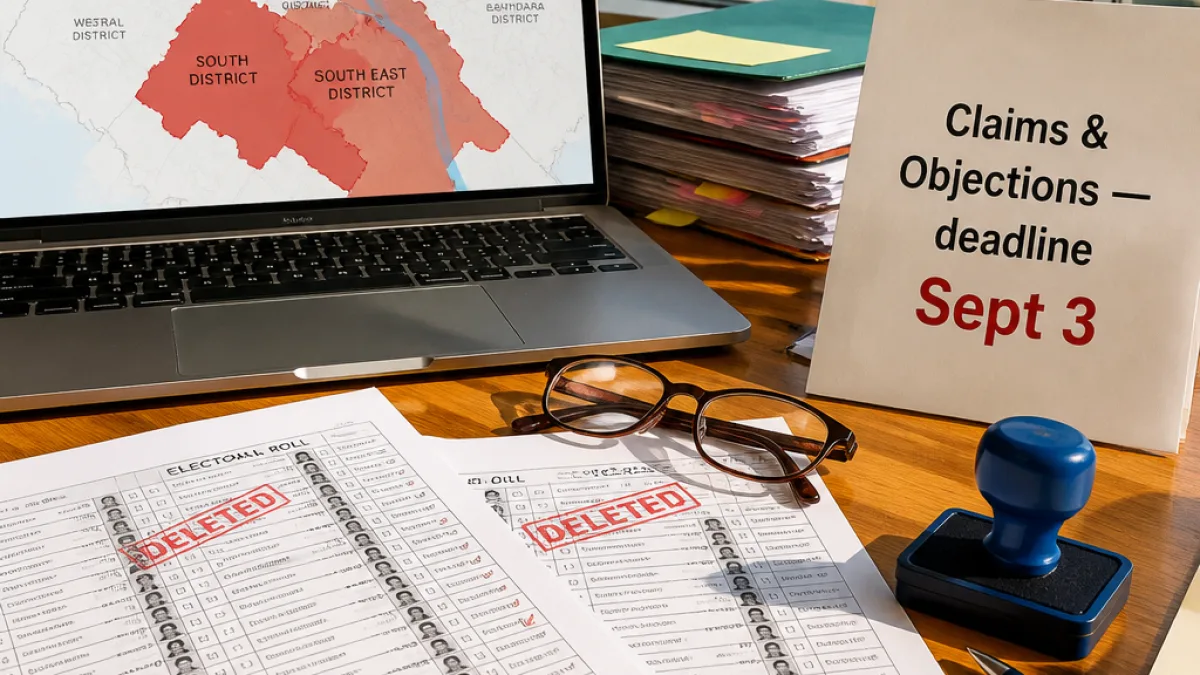
Geographically, most booths with the concentrated ‘permanently shifted’ pattern are in South East (216) and South (204) districts, followed by North East (147). Specific localities mentioned in the CEO data include Deoli, Tughlaqabad, Okhla, Karawal Nagar, Kasturba Nagar and Mustafabad.
There are instances of extreme single-reason removal across neighbouring booths. For example, two polling booths in Shyam Nagar under the Rajouri Garden Assembly constituency show all 617 removed names marked as ‘absent/untraceable’.
| Category | Number of entries |
|---|---|
| Permanently shifted | 31.59 lakh |
| Untraceable/absent | 11.73 lakh |
| Dead | 2.82 lakh |
| Duplicate/already enrolled | 1.41 lakh |
The CEO data also shows demographic oddities: among the 2.82 lakh entries marked ‘dead’, 22,918 electors are recorded as being under 40 years of age. In addition, of electors aged 85 and above who underwent additional verification during enumeration, about 49,700 — or 54.9% — appear on the ASDD list and are predominantly marked as permanently shifted or absent.
The deletions published at the draft stage are not final. Citizens whose names have been excluded may challenge the entries during the claims and objections period; the CEO website shows this window closes on September 3. The SIR drive aims to update and purify electoral rolls ahead of future programmes, and the CEO’s uploaded ASDD lists provide the basis for claim, objection and verification processes.
Election authorities have previously said that deletions made at the draft stage will be subject to on-ground verification where necessary and that electors can file claims or objections with supporting documents. The scale and pattern of exclusions in several booths are likely to prompt closer scrutiny during the objections window.
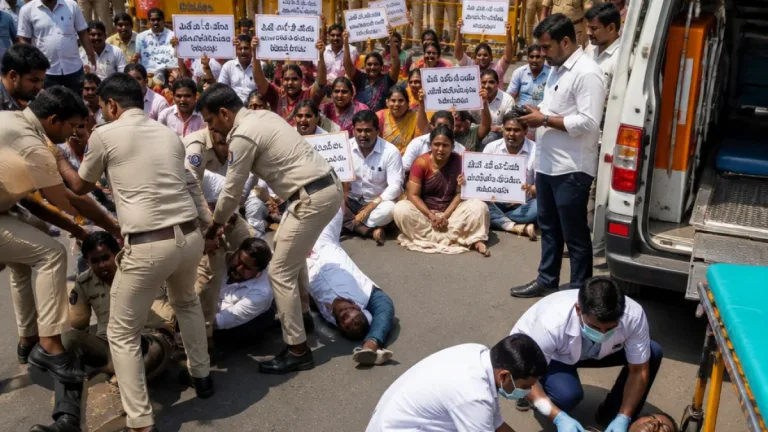
As the claims period draws to a close, political parties, civic groups and affected electors are expected to monitor the process closely, given the concentrated removals in particular districts and booths across the national Capital.