New Delhi: The Archaeological Survey of India (ASI) has declared a northern bastion of the 16th-century Purana Qila as "critical and unsafe" after deep structural cracks and fresh debris were observed, officials said on Thursday. Emergency conservation and restoration for the affected section — identified as North-West Bastion No. 3 — was approved by the competent authority on August 3 and formalities for repair work are underway.
Damage, containment and immediate action
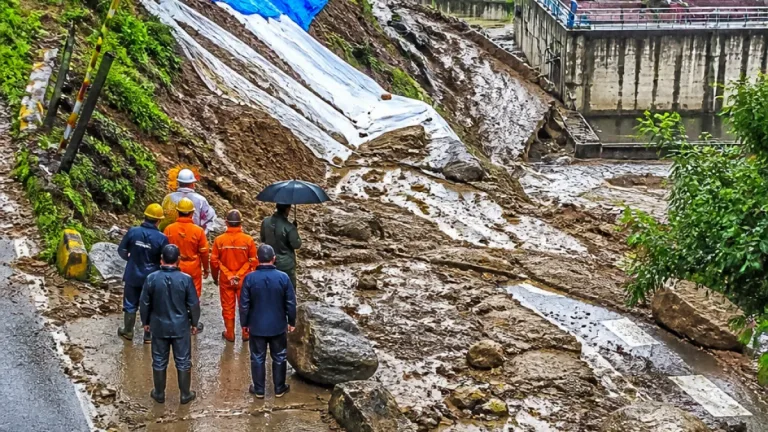
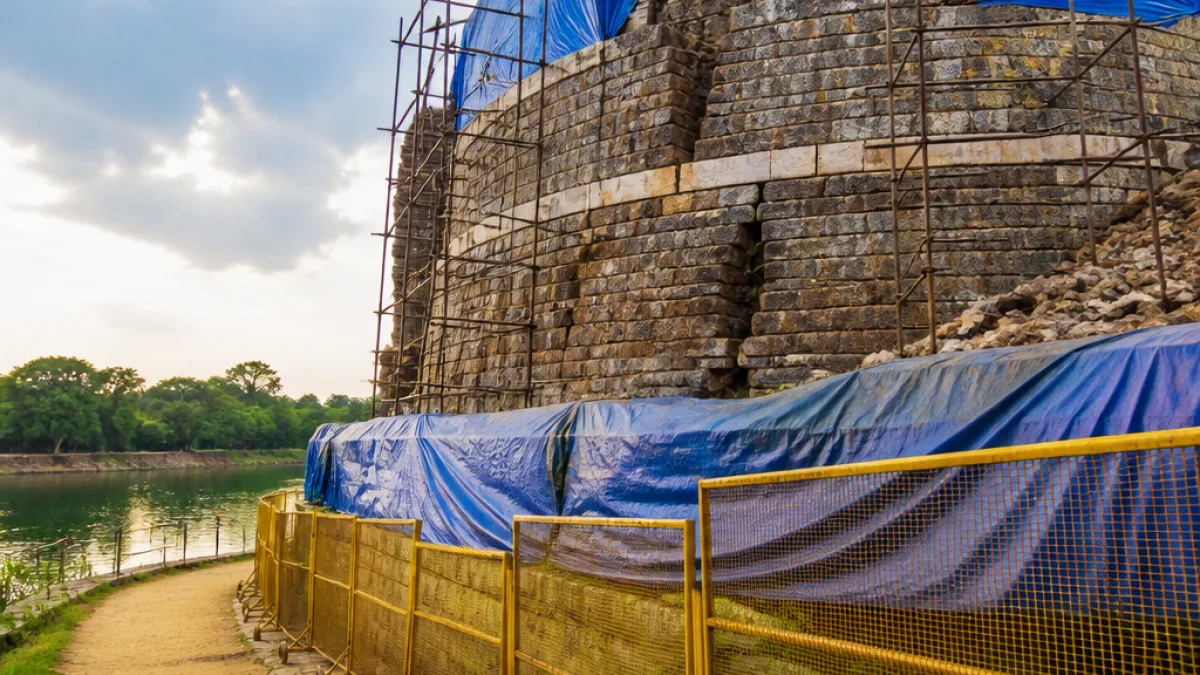
ASI said the damaged bastion, which overlooks the fort's artificial lake, shows long cracks along stone walls and the flooring. The agency has covered the exposed surfaces with tarpaulin to prevent rainwater seepage during the ongoing monsoon and erected temporary scaffolding around the structure. Access to the affected portion has been restricted and approaches have been barricaded as a precaution.
Management of the site is entrusted to the Sabhyata Foundation, an NGO, which the ASI has instructed to ensure that visitors do not enter the restricted area and that all safety measures remain in place until conservation work begins. Geologists, structural engineers and conservation experts are assisting the ASI in assessing the causes of recurring distress, the agency said.
"The situation is being closely monitored, and all necessary precautionary measures have been taken to safeguard both the monument and the visiting public until the conservation work is taken up," the ASI shared.
Scope of the problem
According to ASI, continuous heavy rainfall and progressive deterioration of masonry have contributed to the present condition. Fresh debris visible inside and outside the bastion suggests ongoing structural decline. The agency described the condition as critical, prompting immediate conservation steps rather than routine maintenance.
The bastion's vulnerability is compounded by its location beside the artificial lake within the fort complex, exposing masonry to high moisture levels during monsoon spells. The ASI said specialists are evaluating the underlying causes so that appropriate scientific conservation measures can be adopted for a long-term solution.
What visitors and residents should expect
For the time being:
- Access to North-West Bastion No. 3 will remain barred and approaches are barricaded.
- The Sabhyata Foundation has been directed to keep visitors away from the affected area and maintain safety signage.
- Further areas of the fort may be subject to inspection and temporary restrictions if experts identify additional risks.
The ASI added that the tendering process and other administrative formalities have begun and restoration will commence once the contractual and preparatory steps are completed.
Heritage context and local impact
Purana Qila, originally built during the reign of Emperor Humayun and later strengthened by Sher Shah Suri in the 16th century, is a prominent heritage site and tourist attraction in New Delhi. Any long-term closure or significant conservation work could affect visitor movement and local businesses that depend on footfall around the monument.
While the ASI has not announced a timeline for completion, the involvement of geologists and structural engineers indicates a methodical, research-based conservation approach rather than a quick patch repair. Such scientific interventions aim to preserve the fabric of the monument and prevent recurrence of similar distress.
| Issue | Immediate measure |
|---|---|
| Deep cracks and debris | Tarpaulin cover; temporary scaffolding |
| Public safety | Barricading and access restriction |
| Cause assessment | Geologists & structural engineers engaged |
The ASI's decision to treat the bastion as 'critical and unsafe' reflects growing concern over the impact of weathering and inadequate drainage on exposed masonry across many monuments. Conservation specialists say that monsoon-induced moisture, combined with earlier repair work of variable quality, can accelerate deterioration.
Officials emphasised that protecting visitors and personnel is a priority while work proceeds. The ASI said it will continue to monitor the structure and provide updates as assessments conclude and restoration plans are implemented.
Local authorities and heritage managers are expected to keep the public informed about any changes to visiting hours or access routes within the Purana Qila complex.