Flood threat intensifies across Bihar; Bhagalpur faces erosion worry
Bhagalpur — Rivers across Bihar have risen sharply after heavy rains and upstream releases, raising flood risk from north to south and triggering an erosion scare in Bhagalpur, officials said. The situation has been fuelled by increased inflows from Nepal, releases from dams and heavy precipitation in catchment areas of the Ganga river system.
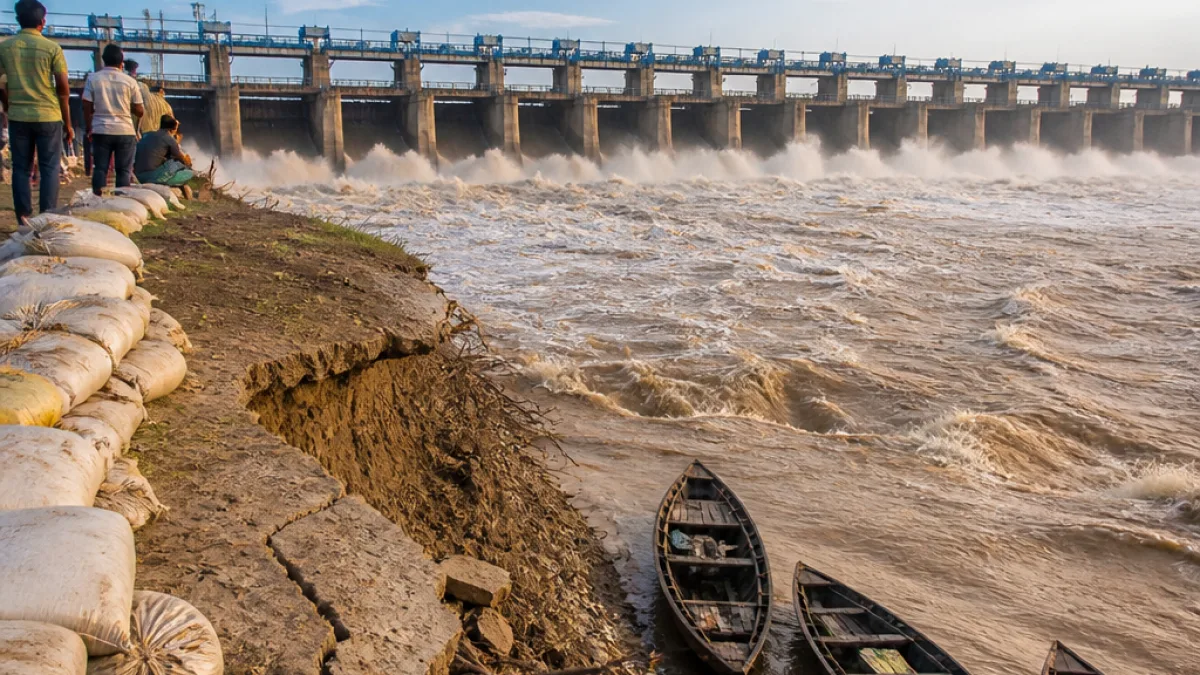
According to reporting by PTI and figures from the Water Resources Department, the Son River record reached this year’s high of 525,000 cusecs on Tuesday morning. Earlier the downstream flow at the Indrapuri Barrage was recorded at 425,854 cusecs in the afternoon and rose to the higher figure by the following morning. In response, 56 of the 69 gates of the Indrapuri Barrage were opened and authorities are monitoring the barrage at half-hour intervals.
PTI reported that water released from Bansagar, glacial lake bursts in Nepal and heavy Himalayan rains have combined to push river flows to dangerous levels.
Multiple rivers above danger marks
Officials described three primary factors behind the current crisis: releases from Bansagar into the Son, swelling of rivers in Nepal following glacial lake breaches affecting the Kosi and Gandak systems, and heavy rainfall in Uttarakhand and Himachal Pradesh increasing flows into the Yamuna and the wider Ganga basin.
- Indrapuri Barrage: 56 of 69 gates opened; downstream flow rose to 525,000 cusecs.
- Valmikinagar Gandak Barrage: inflow reached 150,200 cusecs, rising steadily due to upstream flows from Nepal.
- Local impacts: rising water at Maner and restricted tourist access at Manjharkund Falls in Rohtas were reported as water rose above danger marks in parts of the system.
Implications for Bhagalpur and local monitoring
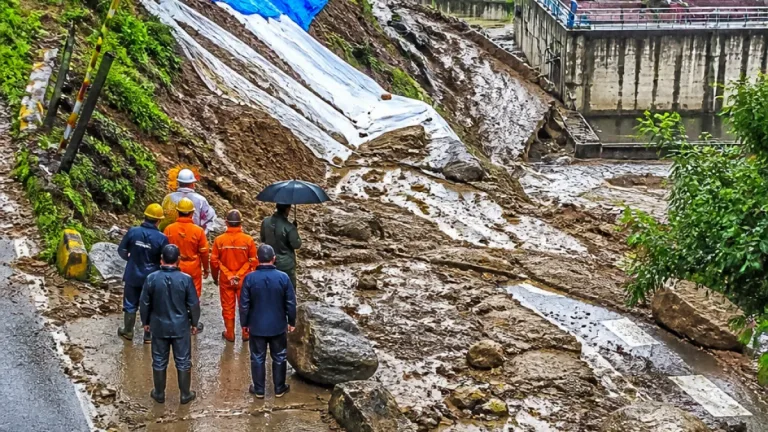
The surge in river flows has heightened concerns about bank erosion and flood inundation in several districts, including Bhagalpur, where residents and local authorities are on alert. While detailed local damage assessments or inundation maps were not provided in the dispatch, the combination of high releases and elevated flows downstream increases the probability of erosion along vulnerable stretches of the Ganga and its distributaries.
Water Resources Department monitoring at key barrages and points of measurement has been stepped up. Officials said they are watching half-hourly updates at Indrapuri and tracking inflows from Nepal that feed the Gandak and Kosi systems. Tourism activity at known flashpoints such as Manjharkund Falls in Rohtas has been curtailed as a precaution.
| River / Location | Reported flow / status |
|---|---|
| Son River (downstream at Indrapuri) | 425,854 cusecs (afternoon), rising to 525,000 cusecs (next morning) |
| Valmikinagar Gandak Barrage | 150,200 cusecs inflow; rising steadily |
| Indrapuri Barrage gates | 56 of 69 gates opened |
Local administrations in flood-prone districts have been advised to keep evacuation plans and relief arrangements ready. The combination of cross-border hydrological events — notably glacial lake breaches in Nepal affecting the Kosi and Gandak — and controlled releases from Indian reservoirs has complicated forecasting and response for downstream districts including those in the Bhagalpur area.
Residents in low-lying pockets and those living on riverbanks are likely to face heightened erosion risk and temporary displacement if local embankments are overtopped or fail. Authorities’ frequent monitoring of barrage gates and river gauges is intended to provide early warning and allow for phased release and relief measures.
Further updates on river levels, embankment integrity and any advisories for evacuation or relief camps are expected as the Water Resources Department continues real-time surveillance and coordination with district administrations.