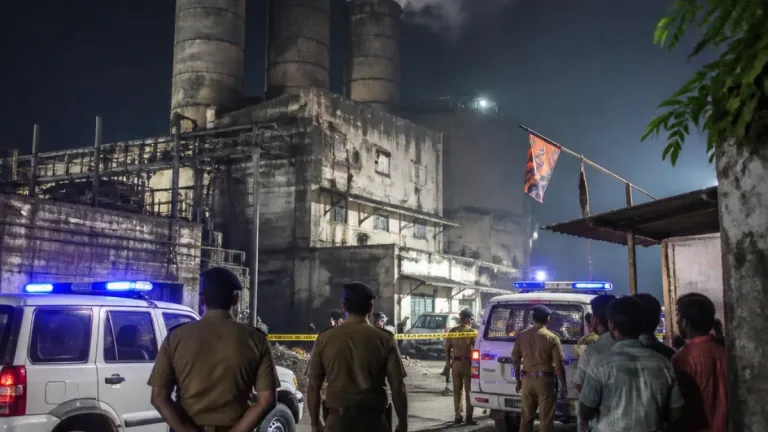
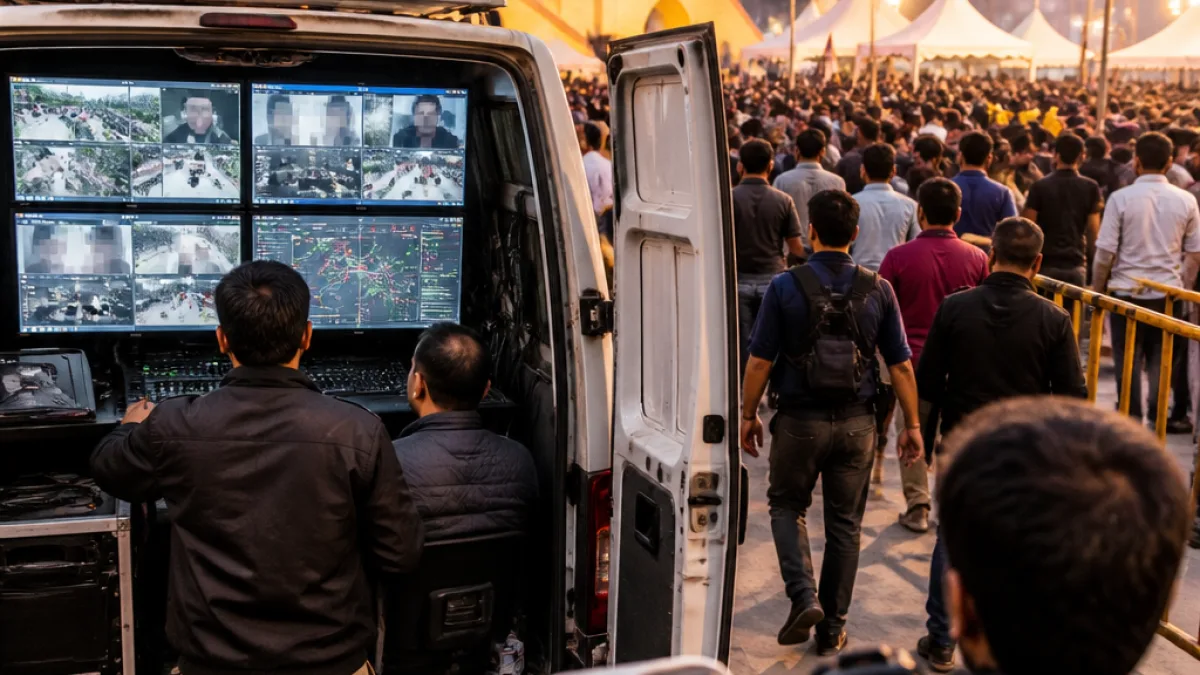
New Delhi: Delhi Police have identified 2,873 people present at the Jantar Mantar protest who have previous criminal records, officials said on Monday, after analysing live CCTV and mobile-camera footage using an AI-enabled facial recognition system.
How the exercise was carried out
Police sources said the surveillance operation compared live video streams from cameras at and around the protest venue with dossier records and criminal databases maintained by various district units and law-enforcement agencies. The verification was conducted in the aftermath of the crackdown on demonstrators during the Cockroach Janta Party’s march to Parliament on July 20.
Authorities provided a breakdown of the categories linked to the identified people. According to police sources, among the 2,873 identified:
- 989 have been involved in what the police classify as heinous crimes
- 101 have prior links to murder cases
- 62 were previously charged with attempt to murder
- 284 were accused in robbery or dacoity cases
- 61 were earlier involved in rape cases
- 6 were booked under provisions of the Protection of Children from Sexual Offences (POCSO) Act
- 25 faced allegations of molestation
| Offence category | Number identified |
|---|---|
| Heinous crimes | 989 |
| Murder | 101 |
| Attempt to murder | 62 |
| Robbery / dacoity | 284 |
| Rape | 61 |
| POCSO | 6 |
| Molestation | 25 |
Repeat offenders and investigation use
Police officials said the analysis showed a pattern of repeat offending among many identified. "The criminal history indicates that they are habitual offenders, having been involved in multiple criminal cases," a senior officer told reporters, adding that several people had multiple prior cases on record.
“Among the 101 people linked to murder cases, 42 were involved in two or more criminal cases, while 12 have criminal histories involving 10 or more cases,” the officer said.
The findings, the sources said, will form part of the wider probe into the violence that occurred during the protest and will be used to prioritise further verification and action against individuals identified as requiring scrutiny.
Questions about conduct at the protest site
Despite the identification figures, police have not responded to queries about alleged conduct by personnel at the protest site. Demonstrators and some media reports have alleged that officers in plainclothes, some without name badges, harassed participants and that women were subject to intimidation while moving in the march to Parliament. The police have not publicly clarified these specific allegations.
Civil liberties advocates and rights groups have in recent months raised concerns about the expansion of facial recognition and other mass-surveillance tools without clear statutory safeguards. The use of AI-enabled identification at a central Delhi protest is likely to renew calls for oversight and rules governing such systems; however, no independent verification of the police’s matching results has been made public so far.
Immediate implications for Delhi residents
For Delhiites, the episode highlights two intersecting issues:
- law enforcement's increasing reliance on automated surveillance and database linking to manage public order at major protests;
- the absence of transparent protocols or published standards on how facial recognition matches are vetted before being used to open criminal investigations.
Police sources insist the exercise was aimed at identifying individuals with prior criminal involvement and assessing the threat profile of those present at the site. Investigations connected to the July 20 events are ongoing and the new identification data will be included in evidence-gathering and follow-up action.
The matter is likely to draw attention from rights groups and legal practitioners who have been urging clear guidelines on use, retention and deletion of biometric and video-based data collected during public gatherings in Delhi and elsewhere.
Reporting from central Delhi.