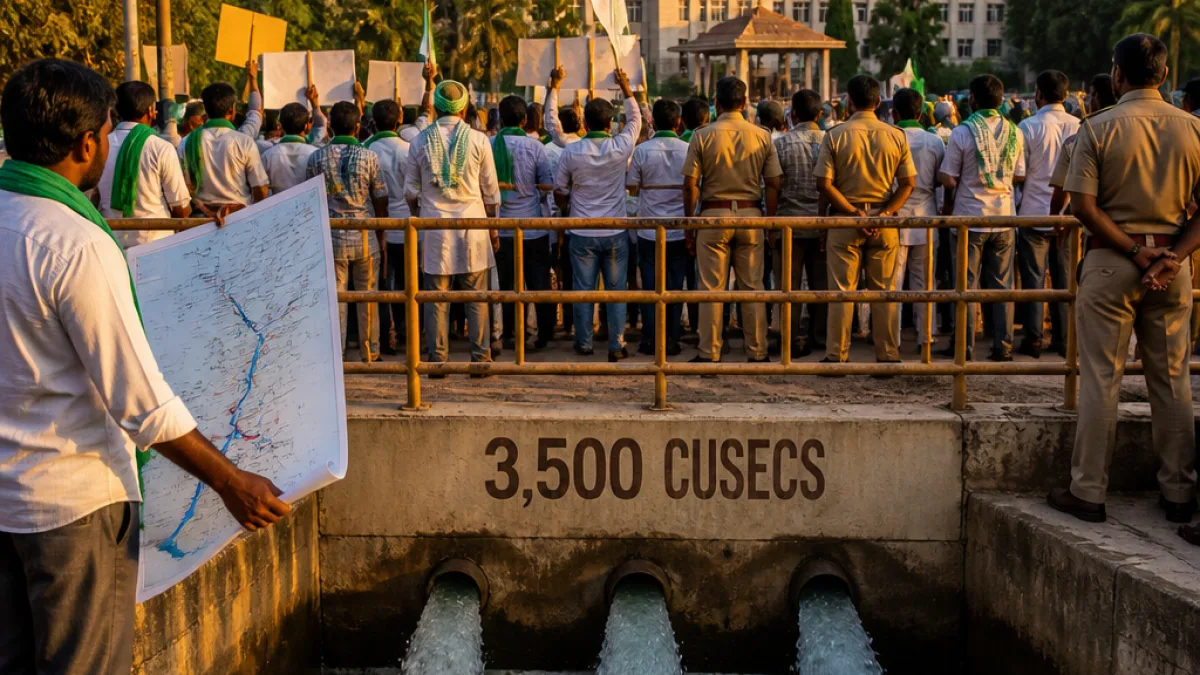
New Delhi: The Cauvery Water Management Authority (CWMA) on Thursday backed the Cauvery Water Regulation Committee's (CWRC) recommendation directing Karnataka to release 3,500 cusecs per day of water to Tamil Nadu, amounting to a total release of 4 thousand million cubic feet (TMC) over 15 days, according to agency reports.
Immediate blowback from Karnataka
Following the CWMA ruling, Karnataka officials indicated the state would consider all options, including legal recourse. They said an all-party meeting would be convened under Chief Minister D K Shivakumar after his return to the state capital to decide the next steps.
A delegation of BJP MPs led by Union Minister Pralhad Joshi and former Karnataka Chief Minister Basavaraj Bommai separately met Union Jal Shakti Minister C R Patil in New Delhi to press Karnataka's case. The delegation sought Central support against what they described as pressure on Karnataka to implement the CWRC directive.
Political and agrarian mobilisation
Several BJP leaders who met the minister argued the Centre should not compel compliance and expressed support for Karnataka's right to pursue its own water projects. Present in the meeting were MPs Jagadish Shettar, Govind Karjol, Vishweshwar Hegde Kageri, P C Mohan and P C Gaddigoudar, according to reports.
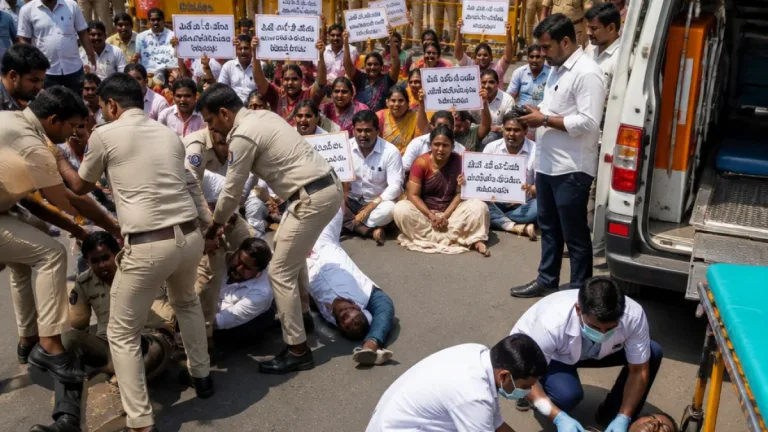
At the grassroots, farmer organisations in drought-hit parts of Karnataka have reacted strongly. Kurubur Shanthakumar, a leader of a farmers' association, urged the state government to reject the CWRC verdict and prepare to challenge it in the Supreme Court. He warned that the order should be defied and indicated mass protests could follow, stressing the severe distress faced by farmers in the Cauvery basin amid scant rainfall over the past two months.
"The state government should not go by that verdict under any circumstances. That verdict must be defied, and an appeal should be filed in the Supreme Court," said Kurubur Shanthakumar.
Context: Mekedatu and inter-state tensions
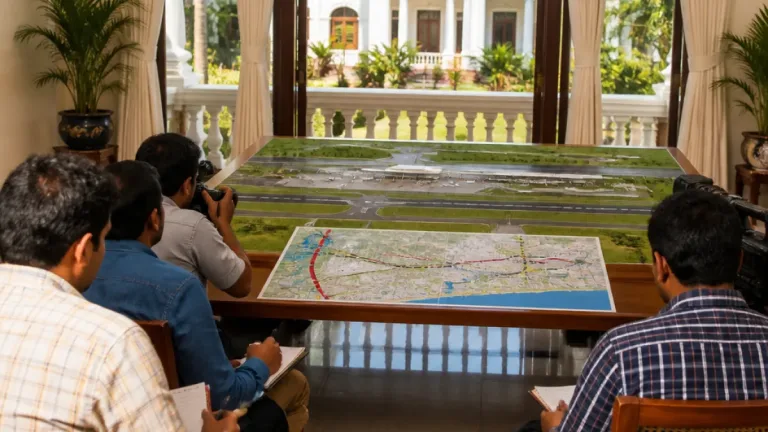
The controversy has erupted against the backdrop of renewed tensions over Karnataka's proposed Mekedatu balancing reservoir across the Cauvery. Karnataka maintains the project is important for its water security and power and has sought clearance to proceed. Tamil Nadu, historically protective of Cauvery flows, has consistently opposed major projects it sees as affecting its water share.
The CWRC had issued the direction on July 28, ordering Karnataka to commence releases from July 29. Karnataka appealed that direction to the CWMA, which on Thursday examined and upheld the CWRC recommendation.
Practical implications for Tamil Nadu and downstream users
If implemented, the release of 3,500 cusecs daily for the specified period is meant to augment water availability in downstream Tamil Nadu districts dependent on Cauvery flows for irrigation and drinking supplies. The short-term order is a regulatory step under the Cauvery management framework intended to balance competing demands across basin states.
- Order: Release of 3,500 cusecs per day
- Duration: 15 days
- Total volume: 4 TMC
Next steps and likely developments
Karnataka's leadership said it would convene party leaders to map a response, which is likely to include legal action and coordinated political mobilisation. Farmer groups are already signalling protests if the order is carried out, citing acute drought and crop losses.
At the Centre, meetings between state delegations and Union ministers suggest attempts to defuse the immediate crisis by political dialogue even as judicial and regulatory routes remain active. How the state administration in Karnataka balances political dissent, legal challenges and administrative compliance with the CWMA order will determine whether the episode escalates or is resolved through negotiation.
| Item | Details |
|---|---|
| Daily release | 3,500 cusecs |
| Period | 15 days |
| Total water | 4 TMC |
The Cauvery dispute remains one of the most sensitive inter-state water issues in southern India, with both agricultural livelihoods and political narratives closely intertwined. The latest CWMA decision is likely to trigger further legal and political engagement from the concerned states in the days ahead.