New speciality-alumina plant aims to cut imports, supply safer cable raw material
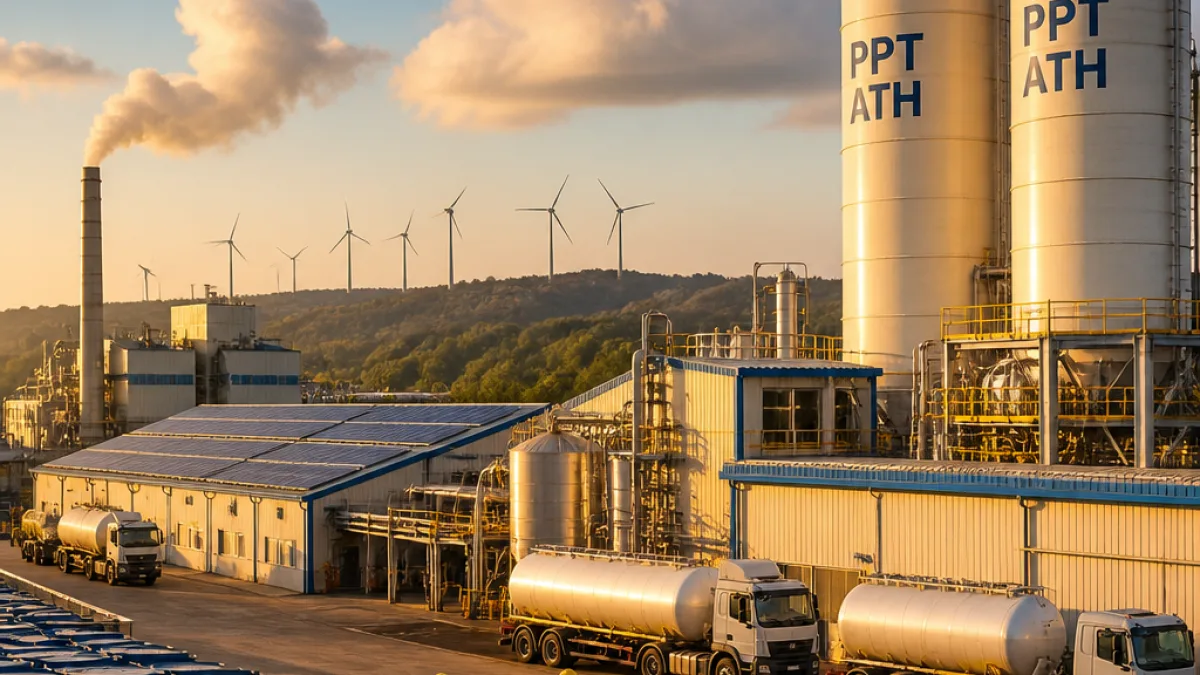
Belagavi — Hindalco Industries on Friday commissioned a Precipitated Aluminium Trihydrate (PPT ATH) plant at its Belagavi complex, a company press release said, describing it as India’s first greenfield project in this speciality-alumina category. The facility has an initial annual capacity of 30,000 tonnes and is designed for phased expansion to 60,000 tonnes.
The company said the plant will serve the domestic wire and cable industry by supplying material used in Halogen-Free Flame Retardant (HFFR) and other safer cable formulations. Prior to the commissioning, India relied on imports for this grade of PPT ATH, the release noted.
- Capacity (Phase 1): 30,000 tonnes per annum
- Planned expansion: Designed to scale to 60,000 tonnes
- Standards alignment: Inputs for cables certified under BIS IS 17048:2018 (HFFR)
Claimed sustainability credentials and technology
Hindalco said the Belagavi facility is unique in its power sourcing and sustainability approach, describing it as the world’s only speciality alumina plant operating entirely on renewable energy, with power drawn from biomass, solar and wind. The parent Belagavi refinery achieved a greenhouse-gas (GHG) intensity of 0.44 tCO₂e per tonne of alumina year-to-date in FY26, the company release added.
The new plant incorporates automated controls for critical processes and a fully integrated manufacturing ecosystem intended to control feedstock quality and product consistency. Hindalco said the technology and R&D were developed in-house through what the release described as a "flask-to-factory" innovation journey.
"The facility is designed to meet almost the entire domestic demand for safer cables from the wire and cable industry," the company press release said.
Local and sectoral implications
The commissioning fills a material gap for cable-makers who are complying with the Bureau of Indian Standards specification IS 17048:2018 for HFFR cables. By replacing imports with a domestic source of PPT ATH, the plant may reduce lead times and supply-chain vulnerability for Indian cable producers, according to the release.
While the company statement highlighted environmental performance and automation, it did not disclose employment numbers or capital expenditure for the Belagavi plant. The phased-capacity design indicates Hindalco anticipates growing domestic demand for flame-retardant cable materials.
| Item | Detail |
|---|---|
| Initial capacity | 30,000 tonnes per annum |
| Expansion potential | Up to 60,000 tonnes per annum |
| GHG intensity (FY26 YTD) | 0.44 tCO₂e/tonne of alumina |
Belagavi’s emergence as a manufacturing hub for value-added alumina products could attract further investment in allied industries, particularly cable and electrical equipment makers seeking locally sourced, standards-compliant inputs. The company release positioned the project as a step toward domestic self-reliance in a critical specialty material.
Local manufacturers, regulators and trade bodies will be watching how the plant’s output affects pricing, availability and certification pathways for HFFR cables governed by BIS specifications. The commitment to renewable energy sourcing and lower GHG intensity may also factor into procurement decisions by environmentally conscious buyers.
The Hindalco release did not provide a timeline for the planned capacity expansion to 60,000 tonnes, nor did it detail workforce strength or direct local economic benefits such as ancillary contracts. Further information on these operational and socio-economic impacts was not included in the statement.
The commissioning marks the addition of a speciality-material manufacturing capability in Belagavi, aligning with industry efforts to localise inputs for critical infrastructure and safety-related products.