Key points for Gulbarga consumers ahead of daily gold-rate movements
GULBARGA: As daily benchmark rates for gold are updated nationally, buyers in Gulbarga are being reminded of practical checks and cost components that determine the final showroom price of jewellery or investment-grade bullion.
Purity, making charges, taxes and the choice between physical and paper gold can affect total outlay significantly. Jewellery shoppers should verify hallmarking and net weight calculations while investors may consider digital products, exchange-traded funds (ETFs) and Sovereign Gold Bonds (SGBs) to avoid certain costs associated with physical metal.
- Purity levels: 24-karat (24K) gold is the purest form at 99.9% but is soft and generally suited to coins and bars; 22-karat (22K) gold contains 91.6% gold and is the standard for traditional Indian jewellery due to added durability from alloying metals.
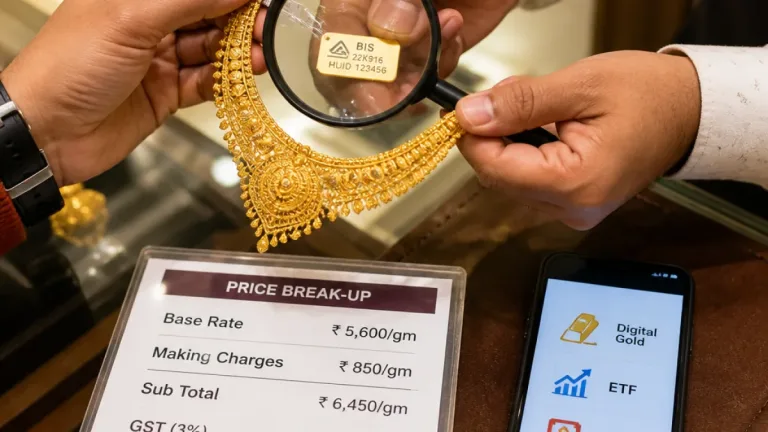
- Final price composition: The showroom price comprises the base gold price, making charges (which vary by design), and a flat 3% GST on the transaction.
- Stone deductions: For studded jewellery, the weight of embedded stones is excluded when calculating net gold weight for pricing, reducing the chargeable gold content.
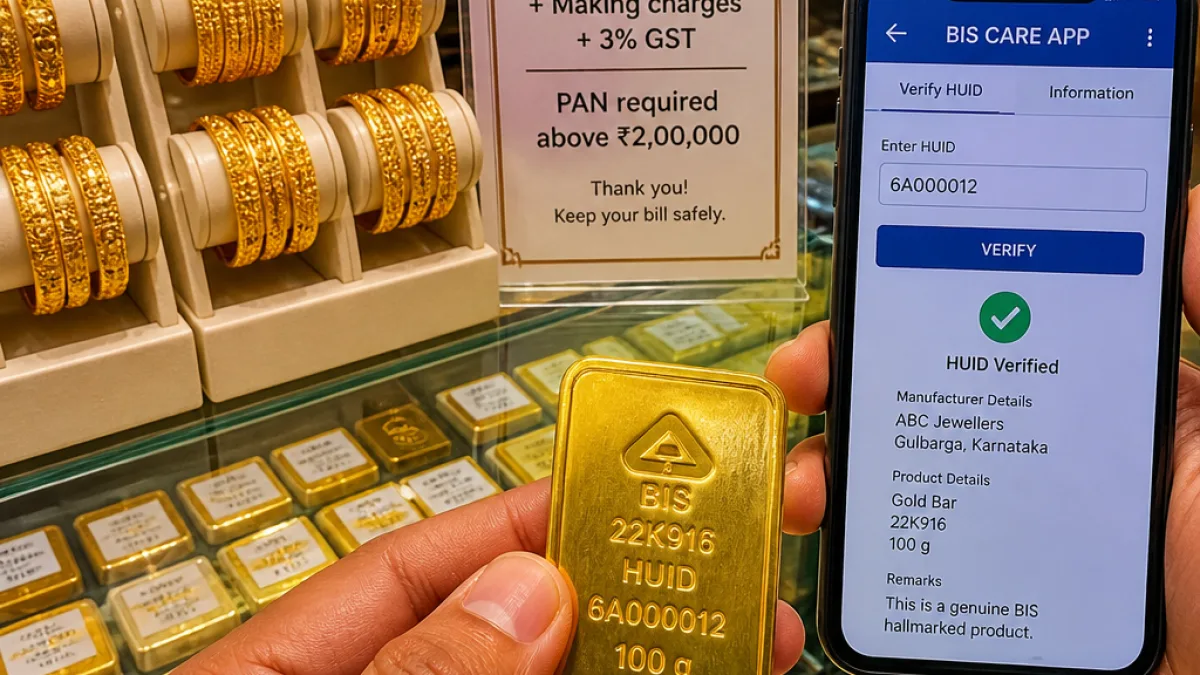
- Authenticity: Buyers should look for the Bureau of Indian Standards (BIS) hallmark which includes the purity grade (for example, 916 for 22K) and a 6-digit alphanumeric HUID code that can be verified through the BIS Care app.
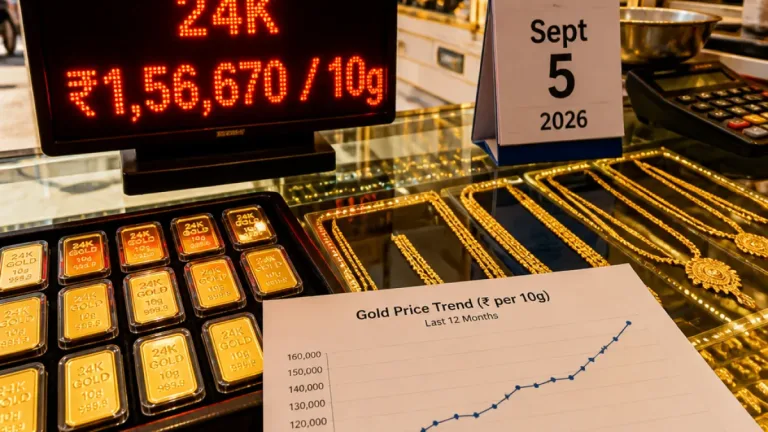
"The daily gold rate you see online is just a benchmark."
Paper alternatives and regulatory points
Those who prefer to avoid physical storage, making charges or design premiums have several paper-based routes. Digital gold platforms enable purchases of high-purity metal starting from very small amounts, allowing investors in Gulbarga to buy fractional holdings without immediate physical custody. Gold ETFs and mutual funds provide liquidity and track the market price of physical gold, while Sovereign Gold Bonds (SGBs) issued by the government offer interest in addition to price appreciation.
Regulatory and tax details relevant to Gulbarga purchasers include mandatory Know Your Customer (KYC) norms: furnishing PAN is required for purchases exceeding ₹2 lakh, and cash purchases above ₹10 lakh attract strict KYC compliance. All gold purchases attract a flat 3% GST. Capital gains tax applies on sale depending on the holding period, and gifts of gold are tax-free in certain circumstances, such as those received at marriage or from specified close relatives. For other gifts, the exemption threshold is ₹50,000 in a financial year.
| Type | Karat | Purity (approx.) | Typical use |
|---|---|---|---|
| 24K | 24 | 99.9% | Investment: coins and bars |
| 22K | 22 | 91.6% | Traditional Indian jewellery |
| 18K / 14K | 18 / 14 | Lower | Stronger jewellery with greater durability |
What Gulbarga shoppers should do
Shoppers in Gulbarga should:
- Confirm BIS hallmark and HUID on any purchased item and verify it on the BIS Care app.
- Ask for a detailed bill showing gross weight, stone deductions and making charges separately so the net gold chargeable weight is clear.
- Consider financial gold alternatives if the objective is price exposure rather than possession, especially to avoid making charges and storage concerns.
Local jewellers, banks and registered digital platforms will publish daily benchmark rates that serve as the starting point; the ultimate price paid in Gulbarga will vary with design-specific making charges, applicable GST and any promotional or exchange offers. Buyers are advised to compare total landed cost rather than focus solely on the daily benchmark rate.