Bengaluru: The Karnataka Food Safety and Drug Administration (FSDA) has issued an advisory discouraging the sale of food products high in fat, sugar and salt within a 50-metre radius of schools and colleges across the state, following inspections of food business establishments around educational institutions.
Inspections revealed unhealthy fare near campuses
The FSDA said it carried out checks in July around 134 schools and colleges, examining the quality of food offered to children, hygiene and sanitation standards, compliance with food-safety norms, labelling and licences of Food Business Operators (FBOs). The inspections reportedly flagged instances where outlets near educational institutions were selling items rich in refined carbohydrates and HFSS ingredients.
"During the inspections, the quality of food products, hygiene and sanitation, compliance with food safety standards, labelling requirements, sale of expired food products and validity of licences/registrations of Food Business Operators were verified… it was observed that certain food business establishments located within and around school and college premises were selling high fat, sugar and salt food products," the FSDA said.
Advisory, implementation and enforcement steps
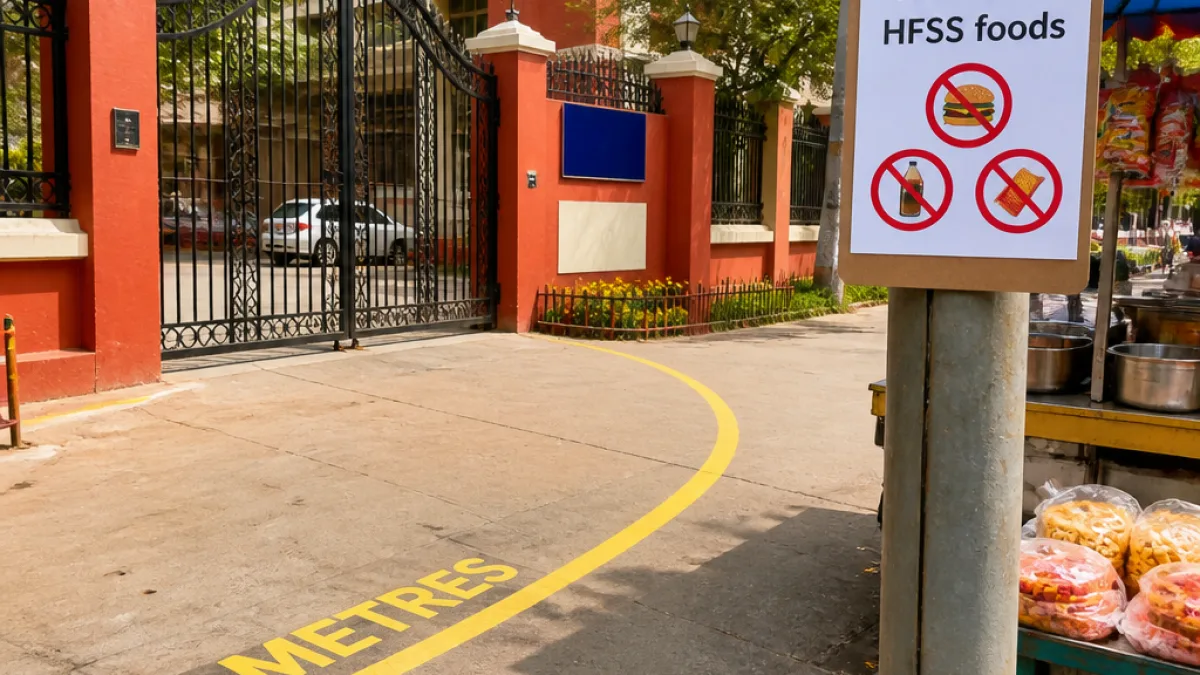
Issued on 24 July, the advisory asks authorities to discourage sale of HFSS foods within the 50-metre buffer of school and college gates and to promote healthier alternatives. It also directs that all food establishments near schools and colleges must be registered or licensed under the Food Safety and Standards Act, 2006.
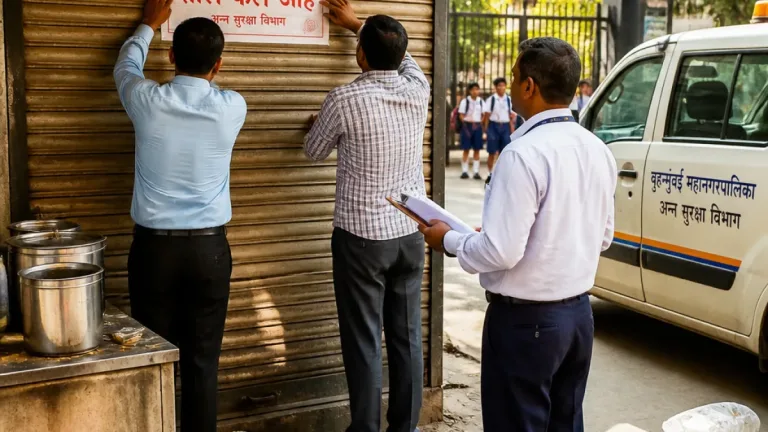
To ensure implementation, district designated officers and food safety officers have been instructed to conduct regular inspections and to create awareness among school and college managements, food business operators and the public.
Penalties and remedial actions outlined
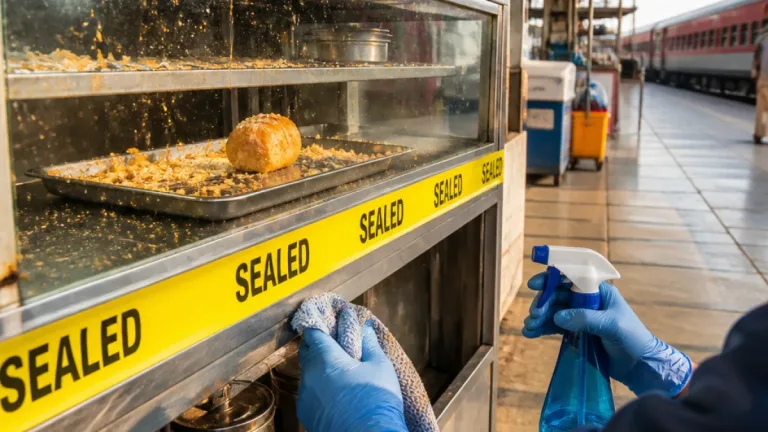
The department warned that violations of the Food Safety and Standards Act, 2006 and corresponding rules and regulations of 2011 could attract enforcement actions including improvement notices, suspension or cancellation of licences, seizure of food products and, where necessary, judicial proceedings.
| Issue Identified | Directed Action |
|---|---|
| Sale of HFSS foods within 50 metres of institutions | Discourage sale; promote healthy options; regular inspections |
| Unlicensed/ unregistered food outlets | Require registration/licence under FSS Act, 2006 |
| Non-compliance with labelling, expiry rules | Issue improvement notices; seize products; suspend/cancel licence; legal action |
Local impact and practical implications
The advisory aims to reduce children’s access to energy-dense, nutrient-poor food items commonly sold near school gates, such as processed snacks and sugary beverages. For school managements, this will mean stronger engagement with nearby vendors to encourage healthier options and to verify licences.
Food business operators operating close to educational institutions will be required to ensure valid registration or licensing, maintain hygiene and comply with labelling and expiry-date norms. FSDA officials have been directed to step up surveillance around schools and colleges; non-compliant vendors risk penalties and possible licence suspension.
What parents and schools should know
- Schools and parent associations can request records of vendor licences and report suspected violations to district food safety officers.
- Parents should be aware that the buffer is 50 metres from school or college premises and can seek enforcement if vendors continue to sell prohibited items.
- Institutions can work with local authorities to host awareness drives promoting nutritious and hygienic food choices for students.
The FSDA did not release a list of specific outlets cited in the July inspections; it has, however, emphasised that the advisory is to be implemented uniformly across districts. District designated officers have been asked to undertake awareness and enforcement activities immediately.
State health and education departments have previously pushed for healthier school meals and restrictions on sale of junk food near campuses. This FSDA advisory adds a regulatory enforcement dimension by tying compliance to licensing and potential punitive measures under the Food Safety and Standards Act.
Further details on follow-up inspections and district-level action plans are expected as food safety officers begin routine checks around school and college premises in the coming weeks.