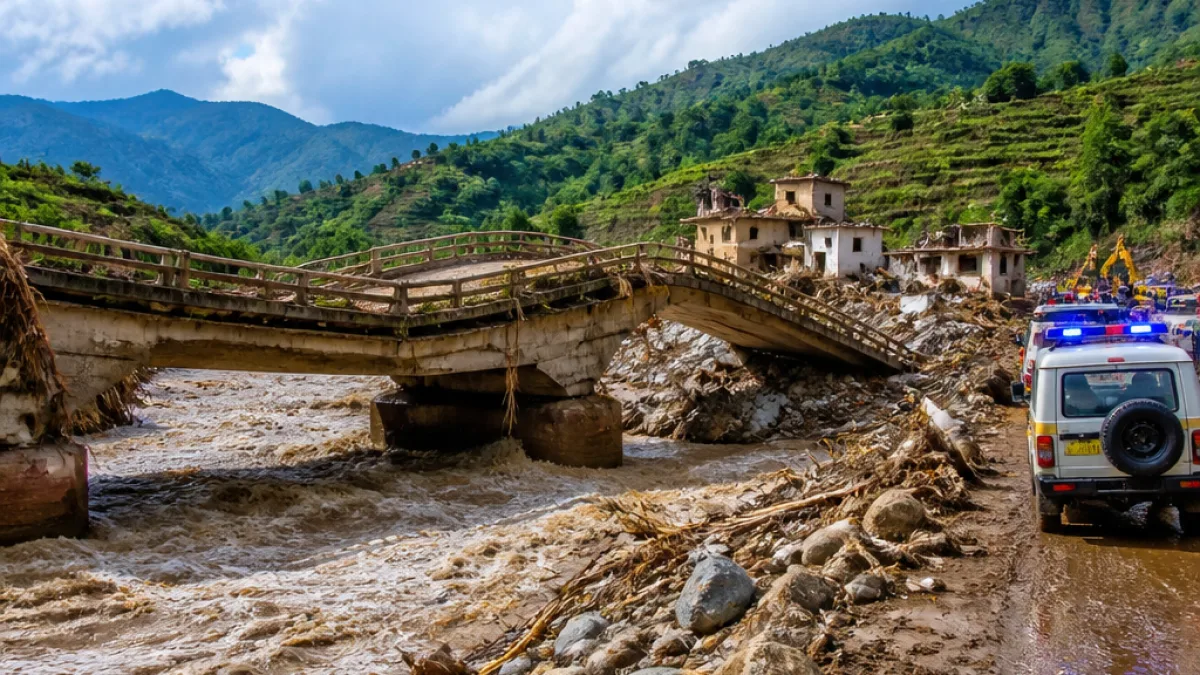
Jammu and Kashmir has recorded more than 35 cloudburst events so far in 2026, resulting in approximately 31 deaths and significant damage to houses, roads, bridges and public facilities, official data collated by state authorities shows.
Timeline and recent escalation
State records indicate that at least 22 cloudbursts occurred between 1 June and mid‑July. Persistent heavy rainfall during the latter half of July and the opening weeks of August triggered additional incidents, pushing the cumulative tally beyond 35.
Geography of impact
Fatalities and destruction have been concentrated largely in the Jammu division, which accounts for the highest number of deaths among the two divisions of the Union Territory. Districts most affected include Poonch, Rajouri, Kathua, Doda and Kishtwar. In the Kashmir Valley, officials reported repeated flash floods in areas such as Shopian and Kupwara in recent weeks.
| Metric | Reported figure |
|---|---|
| Cloudbursts in 2026 (so far) | 35+ |
| Deaths linked to cloudbursts / rains | ~31 |
| Cloudbursts from 1 June–mid July | 22 |
Damage and public infrastructure
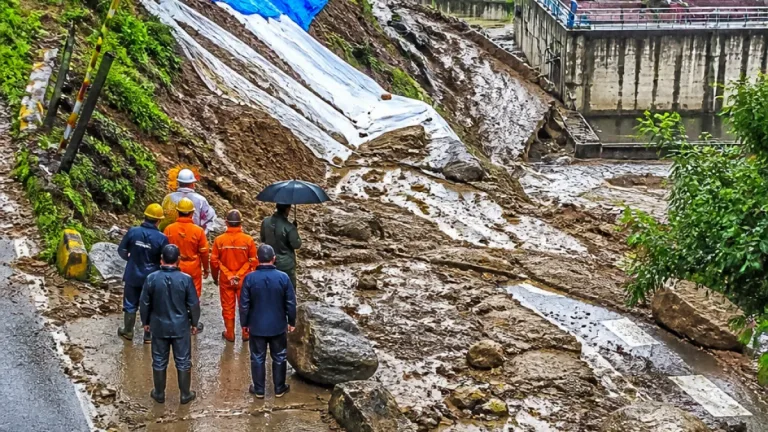
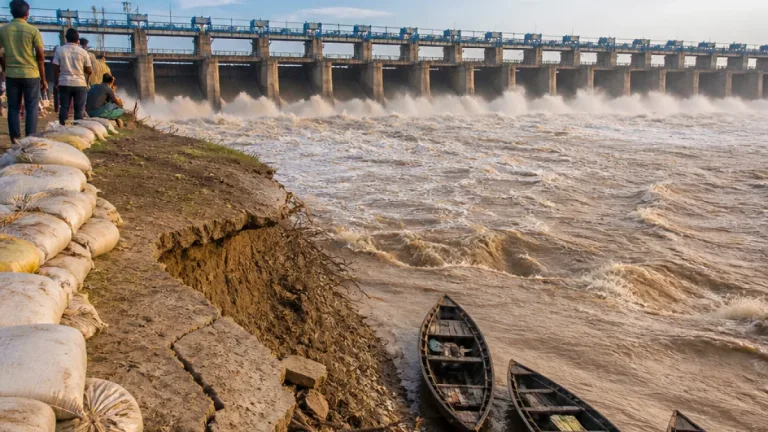
Officials say cloudbursts, flash floods and rain‑induced landslides have caused broad damage to residential structures, disrupted road connectivity and affected bridges and other civic infrastructure. The combined effect has hindered rescue and relief efforts in several remote and hilly locations, where access is seasonally constrained even in normal years.
Local impact and immediate concerns
- Communities in the worst‑hit districts face displacement and loss of homes; temporary shelters and relief camps are likely to be required.
- Roads and bridges sustaining damage threaten supply lines for food, medicines and fuel in isolated pockets.
- Crop losses and damage to livestock are probable in affected rural areas, compounding livelihood risks for hill communities.
Emergency responders and district administrations have been engaged in rescue, evacuation and relief operations where incidents occurred, while meteorological offices continue to monitor weather systems that could produce more intense rainfall and localized cloudbursts.
Seasonal context and risk factors
Cloudbursts are short, intense bursts of rainfall concentrated over a small area; in mountain terrain they often precipitate flash floods and landslides. The record of incidents this season—marked by a clustering of events from June through early August—reflects both a period of heightened rainfall and the vulnerability of steep, populated slopes in Jammu and Kashmir.
Authorities have routinely warned that continued downpours during the monsoon increase the probability of further flash floods and slope failures, particularly in deforested or unstable catchments. Local administrations have been advised to keep evacuation plans ready and to prioritise restoration of connectivity to worst‑affected villages.
What residents should know
- People in vulnerable hamlets should register with local authorities for early warning and assistance.
- Travel on hill roads should be avoided during heavy rain spells; landslide‑prone stretches may be intermittently closed.
- Residents displaced by events should report to district relief centres for food, medical aid and temporary shelter.
As the situation evolves, district administrations and disaster management agencies are expected to release detailed assessments of human and material losses, including a breakdown of affected households and infrastructure. The official aggregate figures for the year point to a severe monsoon season for the Union Territory, underlining the need for accelerated mitigation and restoration work in the months ahead.
Bilal Bhat, Correspondent