Kupwara / Srinagar: Marking the seventh anniversary of the Centre’s August 2019 decision to revoke Jammu and Kashmir’s special status, political leaders in the Union territory presented sharply divergent narratives on Tuesday, with a Bharatiya Janata Party (BJP) functionary pointing to restored normalcy and the People’s Democratic Party (PDP) staging a protest demanding reinstatement of the old constitutional provisions.
Government supporter says daily life restored
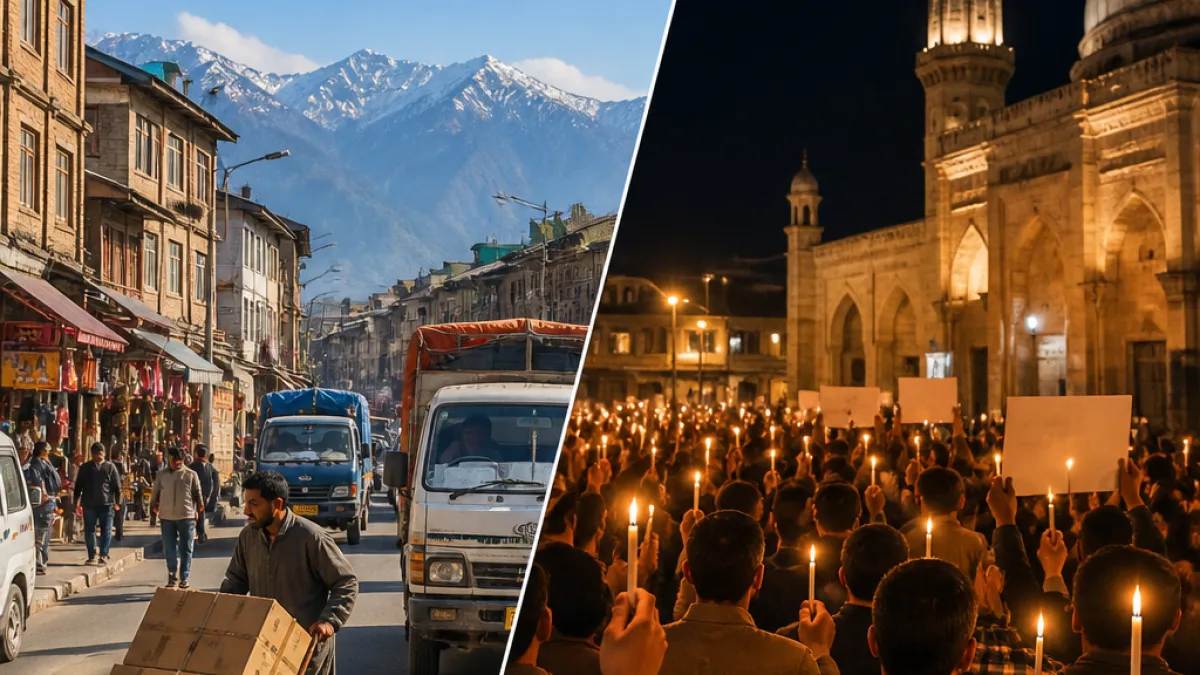
BJP leader Ashok Koul said administrative functioning and social routines had returned to regular patterns, enabling residents to move about and carry out commercial activities without hindrance. Speaking in Kupwara, Koul described an environment where businesses operate late into the evening and students are able to pursue education at schools and higher-education institutions more freely than before.
According to Koul, obstacles that earlier restricted movement and access to education have been removed, allowing youth to attend colleges and schools with ease. He indicated that celebrations were being planned both within Kashmir and across the country to mark the anniversary.
Opposition stages protest, calls for restoration
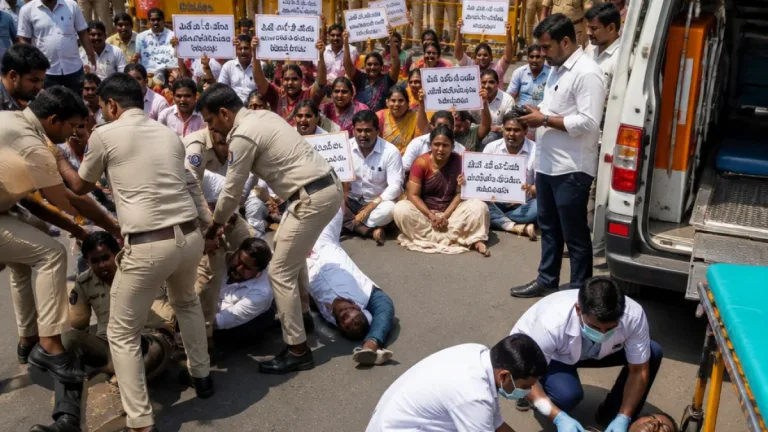
At the same time in Srinagar, PDP president Mehbooba Mufti led a candlelight demonstration on the eve of August 5, reiterating demands for revival of Articles 370 and 35A and pressing for the release of people she described as political prisoners held in various jails.
"The PDP, our community, we will fight. Along with resolving the Kashmir issue, we will also address Articles 370 and 35A and the release of prisoners languishing in various jails across the country," Mufti said.
Mufti framed Article 370 as central to the region’s identity and protection of jobs and land, and accused the ruling party at the Centre of stripping Jammu and Kashmir of dignity and rights. She called the current period a "dark night" but said it would not endure.
Public mood and practical changes
The anniversary has revived debate over the ground realities since August 2019. Koul’s comments emphasise visible changes in commercial activity and mobility in pockets of the Union territory, while Mufti’s protest channels long-standing grievances about the constitutional change and its consequences for local political rights and employment protections.
Residents in different districts continue to report a mix of developments: some note improved infrastructure projects and increased investment, while others highlight concerns over representation and legal protections formerly linked to the region’s special status. The political divide remains palpable on the streets as well as in party statements.
- BJP position: Normal administrative functioning restored; freedom of movement and economic activity improved.
- PDP position: Demands reinstatement of Articles 370 and 35A; calls for release of detained individuals and restoration of protections.
- Public: Mixed responses depending on district and personal experience with change in governance, economy and civil rights.
Context and legal-political consequences
The Centre’s removal of Article 370 in August 2019 reorganised the erstwhile state into two Union territories and annulled special provisions that had previously governed land and jobs. The change has been followed by administrative restructuring and a push for greater integration with national economic and political frameworks. Supporters point to enhanced investment opportunities and improved law-and-order measures; critics say the move undermined local autonomy and protections.
Both the Centre and various regional parties continue to frame the issue in national legal and political terms. Advocacy for restoring the prior constitutional arrangement has been a persistent theme among several Kashmir-based parties and their supporters, who continue to hold demonstrations and political events around the anniversary date.
Immediate implications
Tuesday’s contrasting events underline that public discourse in Jammu and Kashmir remains polarised. While some quarters emphasise a return to routine civic life, others insist that the fundamental political questions stemming from the 2019 decision remain unresolved.
| Aspect | BJP Narrative | PDP Narrative |
|---|---|---|
| Mobility and trade | Improved; businesses open late | Concerns about rights remain |
| Education | Youth can attend schools and colleges | Access does not erase loss of status |
| Core demand | Highlight development outcomes | Restore Articles 370 and 35A; release detainees |
As the anniversary passes, both demonstrations and government statements are likely to shape public debate in the coming days. Political leaders on either side say they will continue to press their respective positions through public mobilisation and official channels.
Reporting from Kupwara and Srinagar indicates the anniversary remains a rallying point for competing narratives about governance, identity and rights in Jammu and Kashmir.