Chirner (Uran taluka), Raigad — Villagers in Chirner and neighbouring settlements have stepped up opposition to the proposed Third Mumbai urban expansion after the Mumbai Metropolitan Region Development Authority (MMRDA) notified the appointment of the New Town Development Authority (NTDA) as the special planning authority for the project.
Project, scale and local response
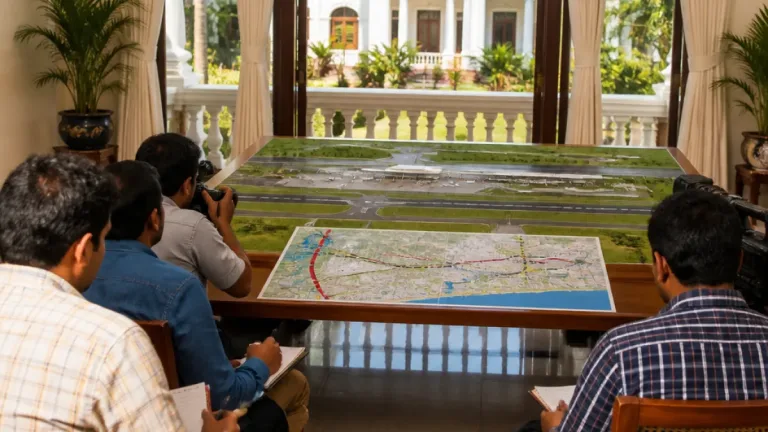
The scheme, officially known as Karnala-Sai-Chirner Navanagar (KSC New Town), covers about 323 square kilometres across Pen, Panvel and Uran talukas of Raigad district and includes some 124 villages on Mumbai’s outskirts, according to the notification issued in October 2024. The project has drawn renewed attention after the state government in early June approved hiring Singapore-government-owned urban planning consultancy Surbana Jurong Group to prepare a master plan.
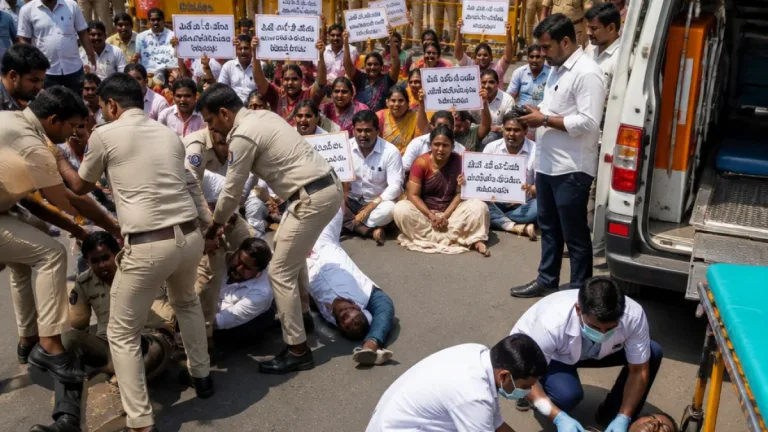
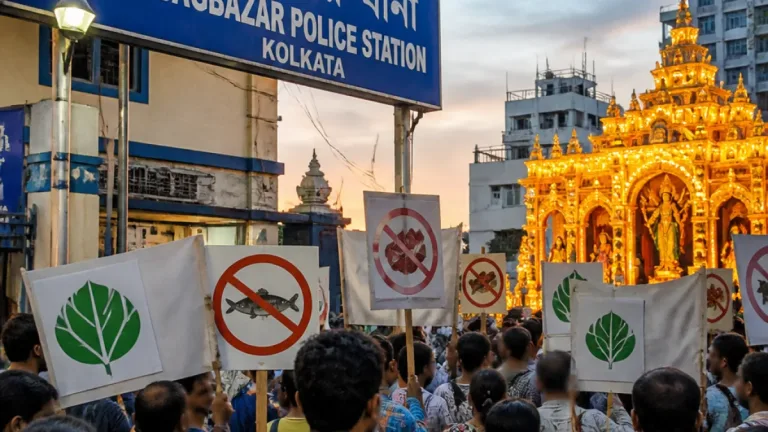
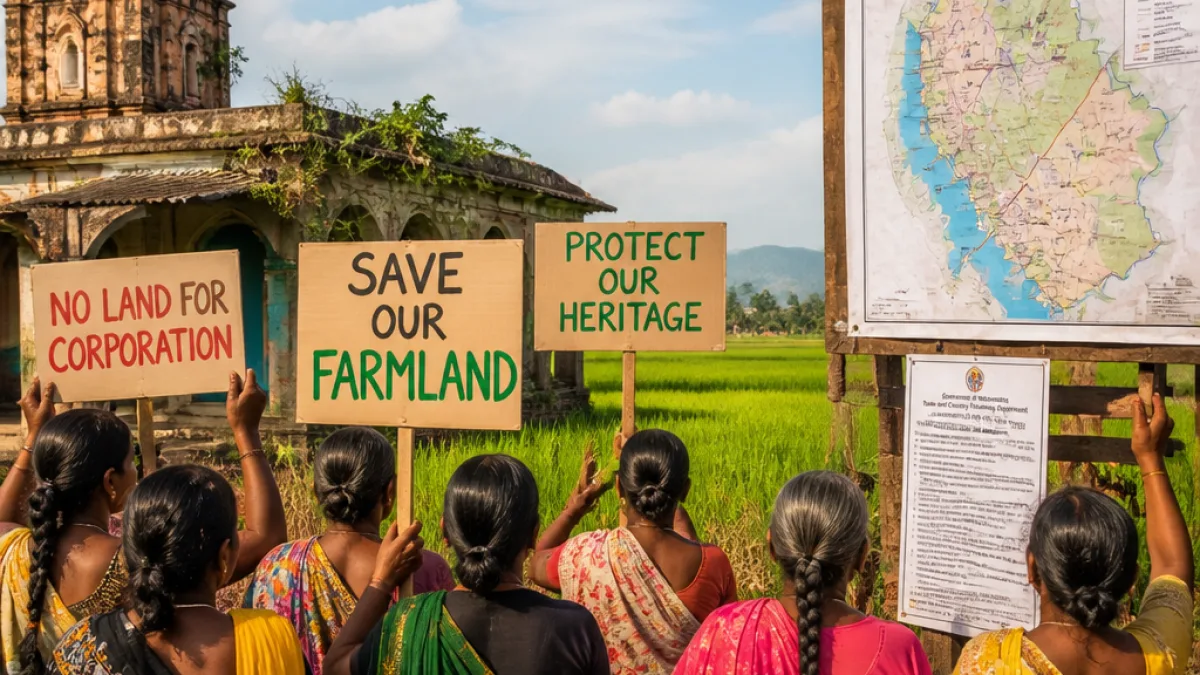
On June 7, hundreds of residents from Chirner and nearby villages gathered to protest the proposed takeover of agricultural land, raising slogans and demanding better compensation. The demonstrators are organised under the umbrella of MMRDA KSC Navnagar Virodhi Samiti, a resistance group formed in April 2025, the reporting said.
Concerns over land, heritage and compensation
Locals say the proposal threatens farmland, livelihoods and several cultural and ecological features in the area. Chirner is close to the 17th-century Maha Ganpati Temple and features gadhegals — two ancient stones representing land grants — which villagers say are integral to the village’s historical identity.
"Ha navin prayatna ahe amchya jameeni hadapnyacha ani udyaogpatinchya ghashyat ghalnyacha. Kay garaj ahe, jameen ghenya aiwaji development karana. Malki amchich rahudya"
The Marathi-language slogan — cited in the report — encapsulates the anxieties of many: that this is yet another attempt to acquire villagers’ lands cheaply and channel them to large firms, contractors and agents, leaving residents dispossessed.
Administrative moves and expert consultant
The MMRDA’s October 2024 notification formally named the NTDA to act as the special planning authority for the Third Mumbai scheme. The state government’s later decision to engage Surbana Jurong to prepare a master plan reflects an early-stage push to bring international planning expertise to the project.
Officials promoting the scheme have framed it as the next phase of planned urban expansion to accommodate Mumbai’s growth. Opponents counter that the government has, over decades, expanded the capital region at villagers’ expense and that promised safeguards and adequate compensation have not been forthcoming.
Local mobilisation and immediate demands
The MMRDA KSC Navnagar Virodhi Samiti has demanded transparent disclosure of project details, a halt to any acquisition notices until stakeholders are consulted, and compensation linked to actual market values. They have also called for legal safeguards to protect agricultural titles and heritage sites.
- Project area: 323 sq. km
- Villages affected: 124
- Talukas involved: Pen, Panvel, Uran
- Planning agencies: MMRDA and NTDA
- Master-plan consultant: Surbana Jurong Group (Singapore-government-owned)
Practical impact and wider implications
For farmers and smallholders, the immediate concern is the loss of cultivable land and the disruption of agrarian livelihoods. For residents near heritage and ecological sites, there is fear of irreversible alteration of the village landscape. The conflict also underscores a broader dispute in Maharashtra over how metropolitan growth should be planned, who benefits, and how compensation and resettlement are handled.
Community leaders say they will continue to press for stakeholder consultations, legally binding guarantees over compensation and retention of community lands. So far, the protest actions have been peaceful and largely localised to villages in Uran taluka, but organisers have not ruled out wider mobilisation if the authorities issue acquisition orders without satisfactory negotiations.
What happens next
The next steps will centre on the NTDA’s planning process and Surbana Jurong’s master-plan exercise. The timeline for detailed project reports, public hearings and compensation frameworks has not been disclosed in the material reported. Villagers and activists have demanded transparent timelines and early public consultations before any land acquisition proceeds.
As debates over the Third Mumbai project continue, the situation in Chirner is likely to remain a focal point for discussions on urban expansion, heritage protection and farmers’ rights in the Mumbai metropolitan periphery.