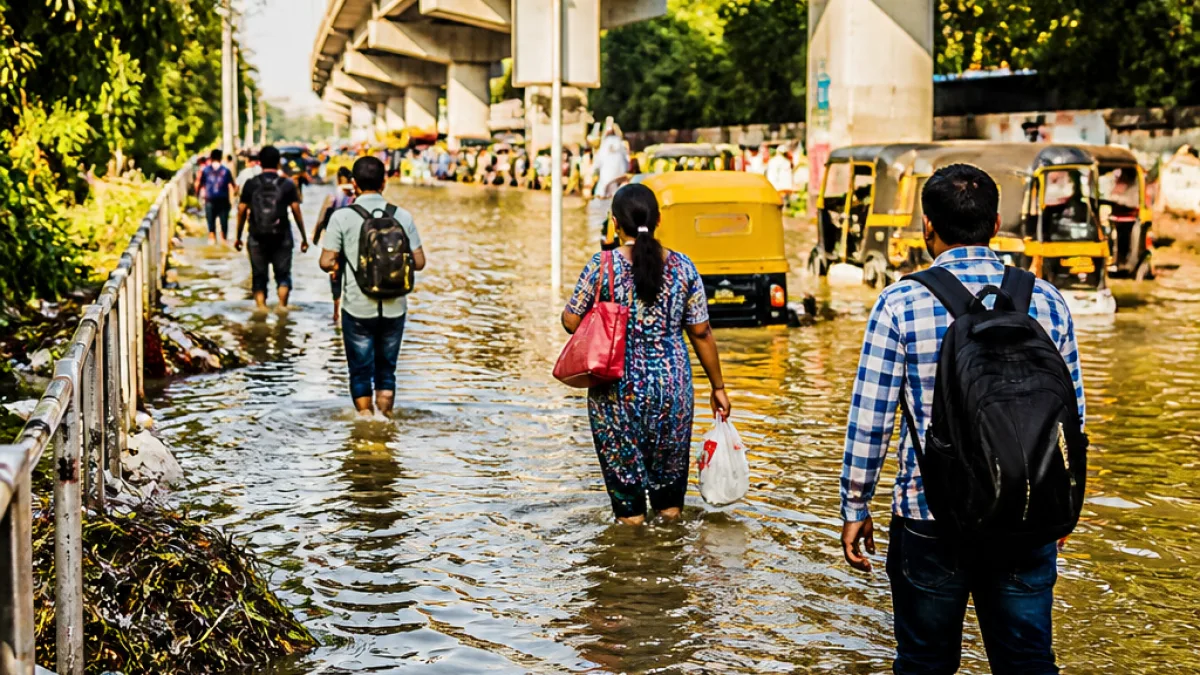
Persistent waterlogging in Panjabari raises questions about city drainage and infrastructure
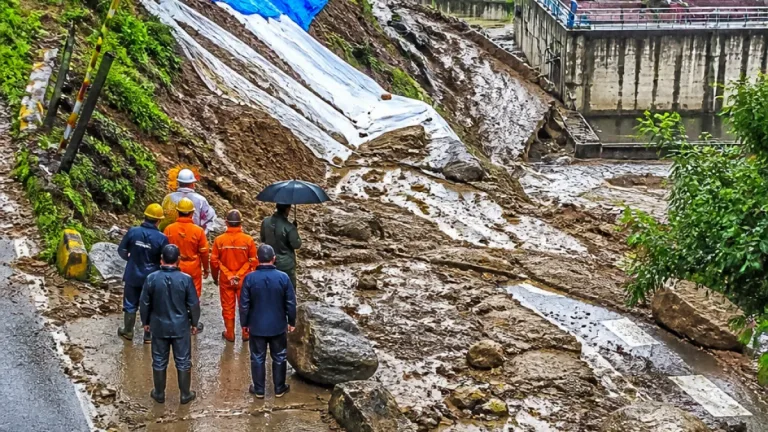
Guwahati residents in Panjabari have been facing extensive waterlogging on a major thoroughfare though there has been no recent rainfall, underscoring systemic drainage shortcomings in the city. A roughly 500-metre stretch on the Sixmile-Panjabari road, including the service roads adjacent to the Bhagadutta flyover approach, is reported to be impassable, forcing commuters and local residents to wade through stagnant water.
- Location affected: Sixmile-Panjabari stretch including service roads near Bhagadutta flyover approach
- Extent: approximately 500 metres rendered impassable
- Condition: standing, murky water despite absence of recent heavy rain
"without a single drop of recent rainfall"
The unusual presence of extensive inundation without antecedent precipitation suggests problems beyond normal monsoon waterlogging. Observers and residents point to factors such as severely blocked storm drains, inadequate wastewater discharge systems and the possibility of land subsidence in low-lying pockets as likely contributors to the current situation.
Daily life has been disrupted on the affected stretch. Motorists are avoiding the road where possible, while two-wheeler riders and pedestrians face the risk of accidents and exposure to contaminated water. Local commuters reported slow-moving traffic and long detours to bypass the flooded section. Public health concerns are heightened because stagnant water can become a breeding ground for vector-borne diseases and can contain sewage or other contaminants.
Municipal and civic accountability is central to addressing these recurring inundations. The present episode accentuates the difference between episodic monsoon flooding and chronic drainage failure that can cause inundation even during dry spells. Urban planners and civic engineers generally recommend a combination of measures—regular desilting of storm drains, upgrading of the sewer and stormwater network, identification and remediation of subsidence-prone pockets, and proper management of surface runoff—to reduce the frequency and severity of such events.
| Issue | Implication for Guwahati |
|---|---|
| Blocked storm drains | Prevents rapid discharge of surface water, causes stagnation |
| Wastewater mismanagement | Leads to contamination and public health risks |
| Land subsidence | Creates persistent low-lying pockets that accumulate water |
Residents and commuters in Panjabari stressed that such episodes are not new during the monsoon, but their occurrence without heavy rainfall signals deep-rooted infrastructural deficiencies. Continued recurrence will have wider consequences: increased repair and maintenance costs for roads and vehicles, reduced commercial activity along affected corridors, and potential long-term health burdens on local communities.
Civic bodies are expected to undertake immediate remedial action to restore normal movement and safeguard public health. Short-term responses typically include clearing blockages in storm drains, deploying pumps to remove standing water and issuing advisories to the public. Medium- and long-term measures require technical surveys to map drainage capacity, desilting schedules, the strengthening of sewage infrastructure and urban planning that factors in natural drainage channels.
The present situation in Panjabari places emphasis on the need for a sustained and transparent maintenance regime, coordination between municipal agencies and planners, and prioritisation of vulnerable stretches on arterial roads such as the Sixmile-Panjabari corridor. Without targeted interventions, similar inundations can be expected to recur, imposing avoidable hardships on residents and commuters across Guwahati.
Local stakeholders say the episode should prompt authorities to release a clear action plan with deadlines for drainage improvements and public communication on progress, so residents can better prepare and the risk of health hazards is reduced.