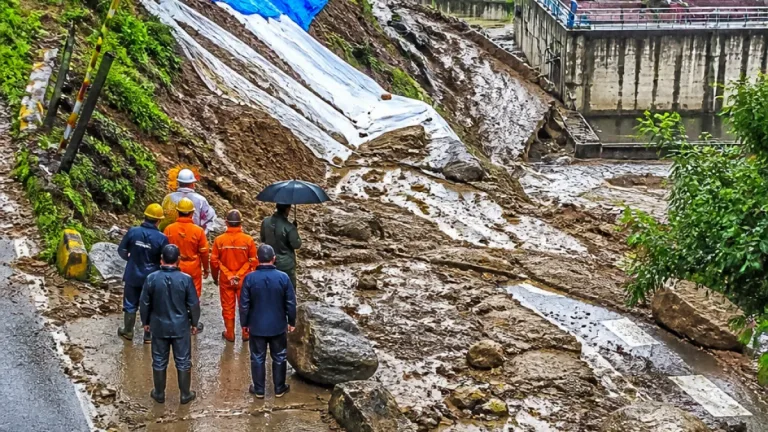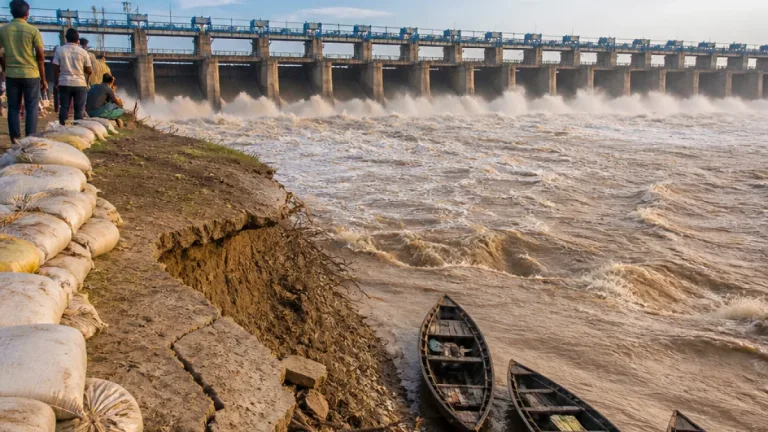
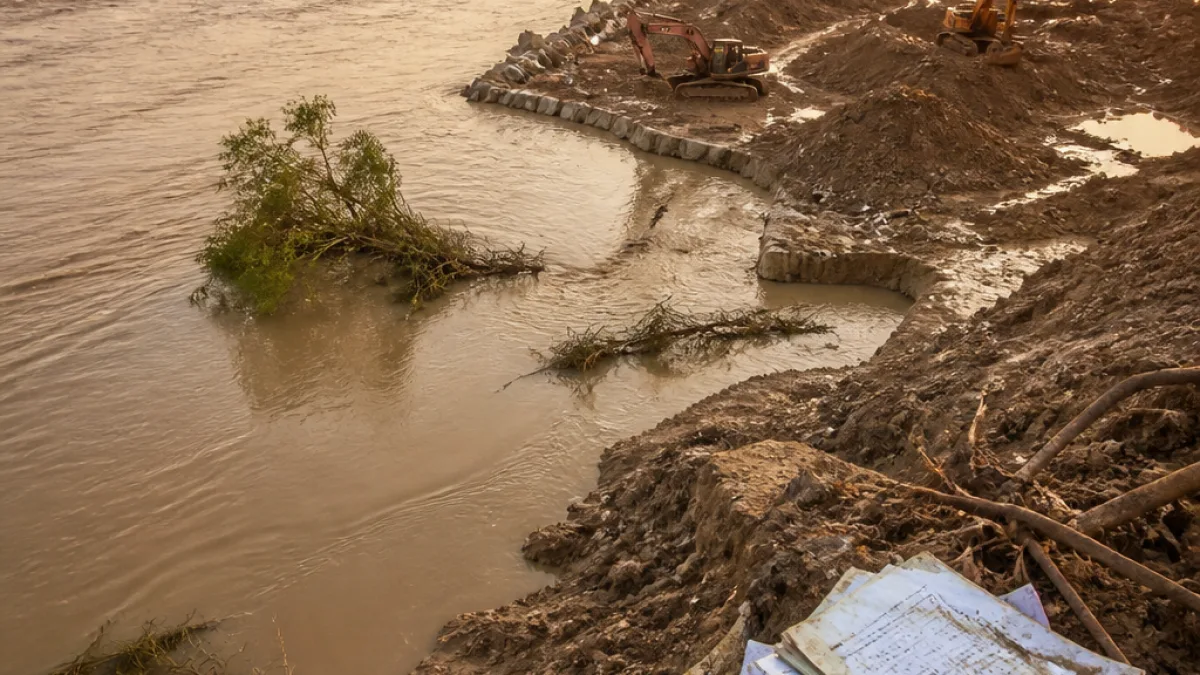
Guwahati and central agencies in Delhi have been criticised in reports and expert observations for what has been described as a preventable catastrophe after the recent devastating floods in Assam, which claimed lives and caused widespread damage across the State.
Technical warnings and legal directives said to have been ignored
Analyses circulating in media and among river management professionals point to a combination of administrative negligence, unregulated sand and stone mining and a failure to act on technical studies as major contributors to the scale of flooding. These accounts note that scientific assessments and court orders — intended to guide preventive action — were not fully implemented.
One prominent reference cited in the coverage is a 2019 directive of the Gauhati High Court that mandated the formation of a specialised task force to address river management issues. Additionally, technical reports issued as recently as 2022 identified specific vulnerabilities and recommended interventions to reduce flood risk. The recent assessments state these prescriptions were not translated into comprehensive ground-level measures.
"The recent devastating floods that swept across Assam were not merely a natural calamity but a preventable catastrophe,"
Observers argue that routine bureaucratic inertia, inadequate enforcement against illegal riverbed mining, and a lack of systematic implementation of technical guidance combined to undermine flood resilience. The criticism extends to a perceived tendency within political and administrative circles to shift blame rather than undertake thorough, corrective action.
Identified contributing factors
- Administrative negligence — Delayed or partial implementation of recommendations from expert studies and court orders.
- Illegal sand and stone mining — Unchecked extraction altering riverbeds and reducing natural capacity to absorb high flows.
- Insufficient river management — Lack of coordinated, science-driven interventions across state and central agencies.
Technical assessments highlighted by reports stress that the recurring nature of such flood events is not inevitable; with targeted steps, the severity and human toll can be reduced. However, critics say political considerations and fragmented administration impede the cohesion required for long-term river basin management.
| Year | Document/Action | Main requirement |
|---|---|---|
| 2019 | Gauhati High Court directive | Formation of specialised river management task force |
| 2022 | Technical reports | Specific vulnerability mapping and intervention recommendations |
Calls for accountability and proactive measures
Those assessing the crisis are urging both state and central agencies to move beyond post-disaster relief and to prioritise preventive work — including strict enforcement against illegal mining, restoration of river corridors, timely execution of engineering and ecological interventions, and better inter-agency coordination.
Experts and commentators referenced in the reports emphasise that routine archiving of technical findings without active follow-up undermines public safety. They propose that legally mandated mechanisms, such as the court-ordered task force, be activated and provided with clear mandates, resources and public reporting obligations to ensure transparency and sustained action.
While political leaders often respond with assurances following every major flood, the recent coverage suggests a need for structural reform in how flood risk is governed and how scientific advice is operationalised. The recurring pattern of loss, the reports warn, will continue unless preventive policy and enforcement are prioritised alongside relief and rehabilitation efforts.
Local stakeholders — including community-based organisations and river scientists — are likely to press for a formal review of implementation gaps, and for visible, accountable steps before the next monsoon season.