Panaji — Goa recorded 72 drowning deaths during the first six months of 2026, exposing a widening water-safety crisis that stretches beyond beaches to rivers, waterfalls and other inland water bodies, official data shows.
Sharp rise before monsoon
The figures indicate a worrying early rise in fatalities, with deaths beginning to climb in March and peaking in April, which accounted for 21 of the fatalities. The pattern suggests that the risk is no longer confined to rough seas during the monsoon but has become a year-round concern.
Rescue operations and near-misses
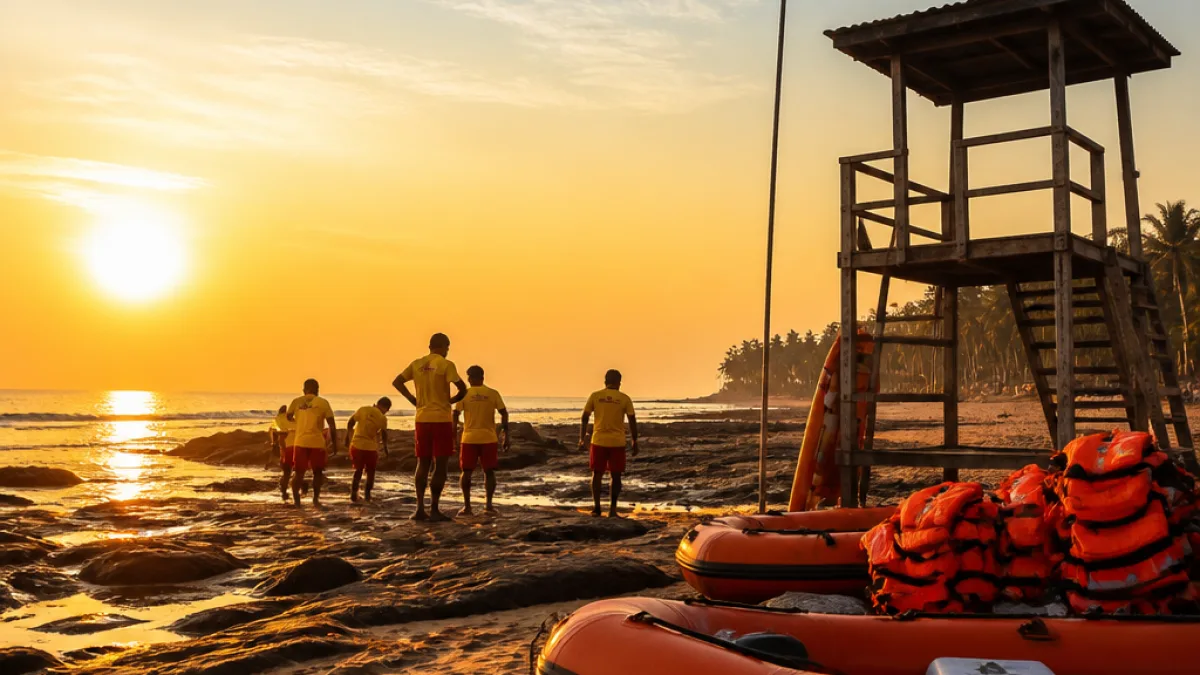
Response agencies reported intensive rescue activity in July alone. A state-appointed lifesaving agency attended to 495 incidents during the month and rescued 246 people from potentially fatal situations. The agency also reunited 44 lost children with their families but recorded four drowning deaths in July despite extensive rescue efforts.
Incidents were split almost evenly between the two coastal districts: 246 in North Goa and 249 in South Goa. Rescues were higher in North Goa, where lifeguards carried out 159 rescues compared with 87 in South Goa. Local hotspots included Morjim in the north and Benaulim in the south.
| District | Incidents (July) | Rescues (July) |
|---|---|---|
| North Goa | 246 | 159 |
| South Goa | 249 | 87 |
Deployment and equipment
Authorities have increased safety deployments during the monsoon. More than 450 trained lifesavers and beach marshals have been stationed across beaches, waterfalls and inland water bodies, with strength rising to over 480 personnel during peak weeks. Rescue teams have relied on rapid deployment of trained lifesavers, jet skis and coordinated emergency-response units positioned along the coast.
Calls for systemic response
The rising toll has prompted calls for a coordinated, multi-agency strategy before the next tourist season. Observers are urging stronger enforcement of safety regulations, wider public awareness and improvements in rescue infrastructure.
- Enhanced enforcement of flagged swimming zones and beach closures.
- Expanded public-awareness campaigns on rip currents, river hazards and waterfall safety.
- Investment in permanent lifesaving infrastructure and training for local responders.
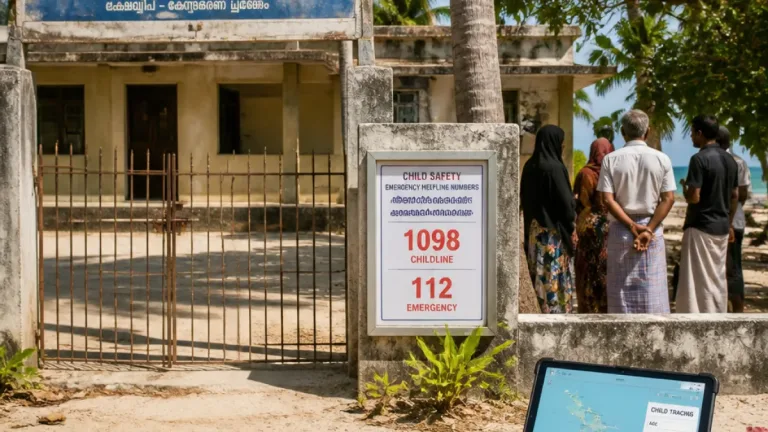
- Better signage in regional languages and placement of rescue equipment near inland water bodies.
Rescue agencies attributed their successful interventions in July to the rapid deployment of manpower and equipment, but acknowledged that despite increased presence, fatalities continue to occur.
Wider implications for tourism and safety planning
Goa’s economy depends heavily on tourism, and the pattern of drownings — occurring year-round and across different types of water bodies — underscores the need for integrated safety planning that covers rivers, waterfalls and estuaries as well as beaches. Officials and safety experts have signalled the need for data-driven targeting of resources to identified hotspots such as Morjim and Benaulim.
With the next peak tourist season approaching, stakeholders are pressing for early action to prevent repeat tragedies. Those measures include refresher training for lifesavers, improved coordination among coastal police, municipal authorities and rescue NGOs, and pre-season audits of lifesaving equipment and first-response logistics.
The official figures and operational data released for the first half of 2026 serve as a baseline for a state review of water-safety protocols and resource allocation. Authorities are expected to convene agencies responsible for coastal and inland safety to draw up a more robust, year-round plan for drowning prevention.
Further detailed breakdowns of the incidents — including age profile of victims, exact locations and time-of-day patterns — were not available in the data released; such information will be crucial for targeted prevention programmes.