
KOCHI: The Kerala High Court on Monday urged the state government to consider framing a policy to provide menstrual leave for women conductors of the Kerala State Road Transport Corporation (KSRTC), noting that the physically demanding nature of their duties and inadequate sanitary facilities justify a welfare measure.
Judicial observations and rationale
Justice Viju Abraham observed that severe menstrual symptoms can materially affect the health, dignity and ability of women conductors to perform their duties efficiently. The court suggested that a "limited provision for menstrual leave would promote employee welfare, reduce absenteeism, enhance productivity, and foster a more inclusive workplace."
"In view of the nature of their duties and working conditions, the government may consider introducing an appropriate policy providing menstrual leave to women conductors, subject to such conditions and safeguards as may be deemed appropriate," the court said.
Background to the petition
The remarks came during hearings on a joint petition filed by three KSRTC women conductors and an organisation working for the welfare of KSRTC employees and their families. The petitioners outlined the operational challenges faced by women staff engaged in the corporation's operating sector.
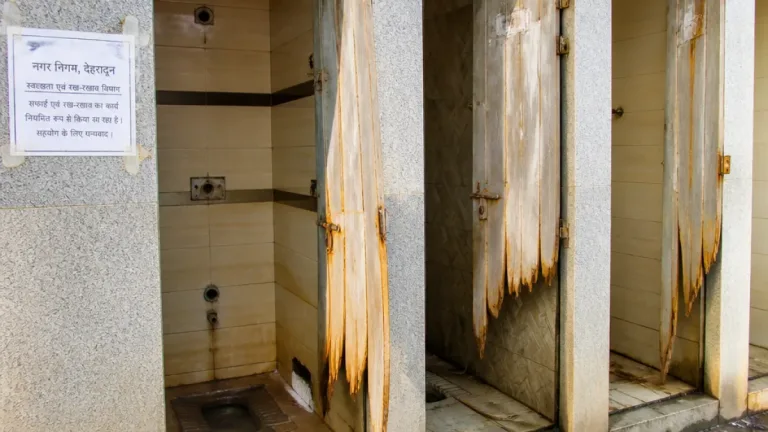
They said women conductors routinely work shifts ranging from eight to 16 hours, move through crowded buses to issue tickets and collect fares, and lack reliable access to clean toilets with running water at various depots. The petition also highlighted insufficient rest periods and the absence of an adequate disposal system for menstrual products as factors that lead to physical discomfort, health problems and emotional distress.
Scale and current status
The petitioners informed the court that around 3,000 women employees are engaged in KSRTC's operating sector. They said a representation seeking a menstrual leave policy had been submitted to the state government previously, but no decision had been taken.
| Item | Details cited in petition |
|---|---|
| Number of women in operating sector | 3,000 |
| Typical shift duration | 8–16 hours |
| Key complaints | Lack of toilets with water, inadequate rest, no disposal system for menstrual products |
Possible policy considerations
The court did not prescribe the terms of any leave but invited the government to frame an "appropriate policy" with such conditions and safeguards as it considers fit. The suggestion left open questions on eligibility, duration, documentation and safeguards against misuse—matters typically considered in workplace leave rules.
- Operational constraints cited: long duty hours, crowded buses and limited depot facilities.
- Welfare implications: health, dignity and workplace inclusivity highlighted by the court.
- Administrative issues to resolve: scope of leave, proof required, impact on staffing and service delivery.
Wider context and precedents
While the court's observations were limited to the petition before it, they reflect broader debates in India and abroad about gender-sensitive workplace policies such as menstrual leave, flexible hours and improved sanitation at work sites. The bench underlined welfare and productivity considerations rather than advancing a specific legislative model.
No immediate response from the state government was placed on record in court during the hearing. The matter will proceed further in the high court as the parties pursue the petition and the government considers the suggestion to craft appropriate policy measures for KSRTC women conductors.
The court's recommendation is likely to prompt administrative consultations within the transport department and the KSRTC. If implemented, a tailored policy would need to balance employee welfare with operational continuity across the corporation's services.
Reporting from Kochi.