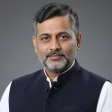
Palakkad: Kerala Transport Minister C.P. John came under fire from both the Communist Party of India (Marxist) and the Bharatiya Janata Party on Tuesday after comments he made questioning the motives of women who use the United Democratic Front government’s Priyadarshini free travel scheme for women on KSRTC ordinary-class services.
Remarks at KBTA conference spark controversy
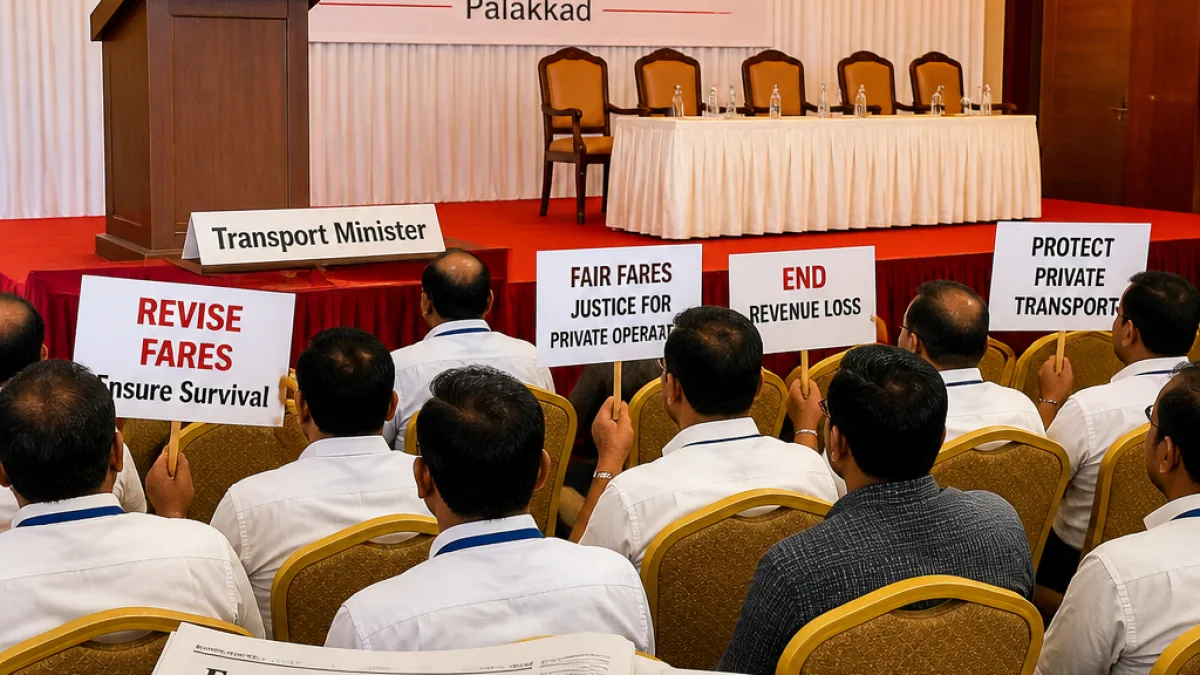
The minister made the observations on Monday at the State conference of the Kerala Bus Transport Association in Palakkad, a gathering of private bus owners that has been vocal in opposing ticketless travel for women on KSRTC buses, citing a steep decline in ticket-collection revenues. According to reports, Mr John suggested that a significant number of women were "pretending to be poor" to avail themselves of the free travel benefit.
"A remarkable set of histrionic skills is necessary for a rich person to act poor," the minister is reported to have said, adding that he was "confounded by such baffling manners peculiar to Keralites."
He is also reported to have contrasted the apparent thrift of those women with other spending choices, saying they send their children to expensive private schools yet rely on crowded government hospitals for family healthcare, where patients and caretakers sometimes sleep in verandahs.
Political reaction and calls for restraint
The comments drew immediate criticism from across the political spectrum. The CPI(M) and the BJP publicly rebuked the minister for the remarks, describing them as insensitive toward women and homemakers who rely on the scheme for daily mobility. Opposition parties said the statements undermined the purpose of the Priyadarshini programme and risked stigmatising beneficiaries.
Party spokespeople argued that the policy intent—to improve women’s access to education, employment and healthcare—should not be overshadowed by public conjecture about beneficiaries' means. They urged the government to focus on addressing the financial distress of low-income households rather than questioning the authenticity of claims.
Minister issues clarification
On Tuesday, Mr John released a clarification denying that he had accused women of "mimicking poverty." He said his remarks were intended to highlight the "poignancy of economic hardship and sadness of daily deprivations of life" experienced by many homemakers in the State. He pointed to the Priyadarshini scheme as a recognition of those privations and said financial hardship, rather than loyalty to KSRTC, compelled women to use the free-travel benefit.
According to reports, the minister also referred to remarks by Congress leader Rahul Gandhi, saying the leader had "opened society’s eyes" to such privations when announcing the scheme.
Policy context and local impact
The Priyadarshini free travel scheme was launched by the UDF government as a women-focused mobility initiative, allowing ticketless travel for women on KSRTC ordinary-class buses. Private bus owners and associations have repeatedly warned that ticketless travel erodes fare revenue and has pressured many operators financially.
Advocates for the scheme say it removes mobility barriers for women, enabling access to work, education and healthcare. Critics contend that without compensatory funding to operators, ticketless travel could weaken public transport viability. The debate has intensified as operators press for revenue protection while beneficiaries and rights groups emphasise access and equity.
- Event: KBTA State conference, Palakkad (3 August 2026)
- Issue: Remarks by Transport Minister on women using Priyadarshini scheme
- Reaction: Criticism from CPI(M) and BJP; minister issued clarification on 4 August 2026
| Date | Action | Venue |
|---|---|---|
| 3 August 2026 | Minister's remarks at KBTA conference | Palakkad |
| 4 August 2026 | Minister's clarification issued | — |
What happens next
With the political temperature rising, questions remain about whether the government will move to assuage concerns among beneficiaries and address the revenue issues raised by bus operators. Opposition leaders say they will press the issue in the Assembly and seek a response from the Transport Department on measures to safeguard both operator viability and women's access to travel.
Stakeholders on both sides of the debate have called for a more data-driven discussion: assessing the financial impact of the scheme on public and private operators, and examining targeted support mechanisms for low-income households so that access to transport does not translate into fiscal stress for service providers.
Reporting for this article relied on accounts of the minister’s remarks and his subsequent clarification as covered in contemporaneous reports.