Godavari surge lifts reservoirs, secures city supply until mid-2027
HYDERABAD: Heavy rains and increased flows into Godavari-linked projects have bolstered reservoir storage and ensured that Hyderabad will have sufficient drinking water through summer 2027, officials of the Hyderabad Metropolitan Water Supply and Sewerage Board (HMWSSB) said.
Prior to the recent depression and rains, HMWSSB had projected that existing reserves could last only until November 2026. Continuous precipitation over the past few days, however, has sharply improved storage levels across key Godavari system reservoirs, easing concerns about short-term water shortages for the city.
The HMWSSB supplies around 550 million gallons per day (MGD) to Hyderabad. The board draws a total of 576.55 MGD from six sources, with transmission losses bringing net supply to the city to roughly 550 MGD, officials said.
- The Sripada Yellampalli project on the Godavari contributes about 162 MGD to the daily water supply for Hyderabad.
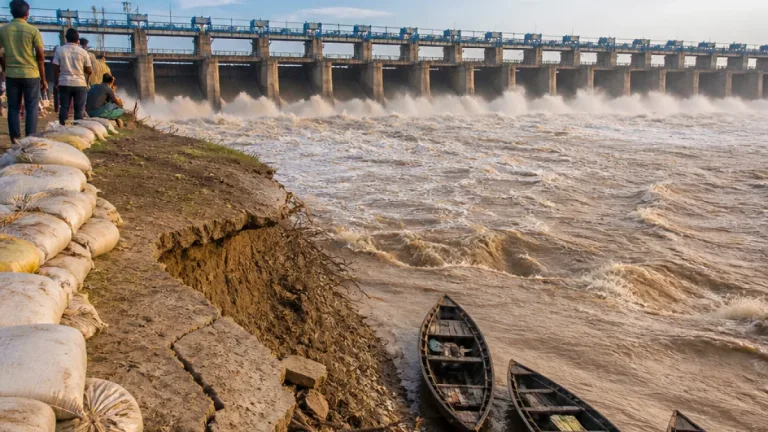
- Recent heavy rainfall pushed inflows into Yellampalli to 1,91,275 cusecs, raising stored water from 8.1 tmc ft four days ago to 16.21 tmc ft by Thursday evening.
- Yellampalli typically provides around 10 tmc ft annually to the city.
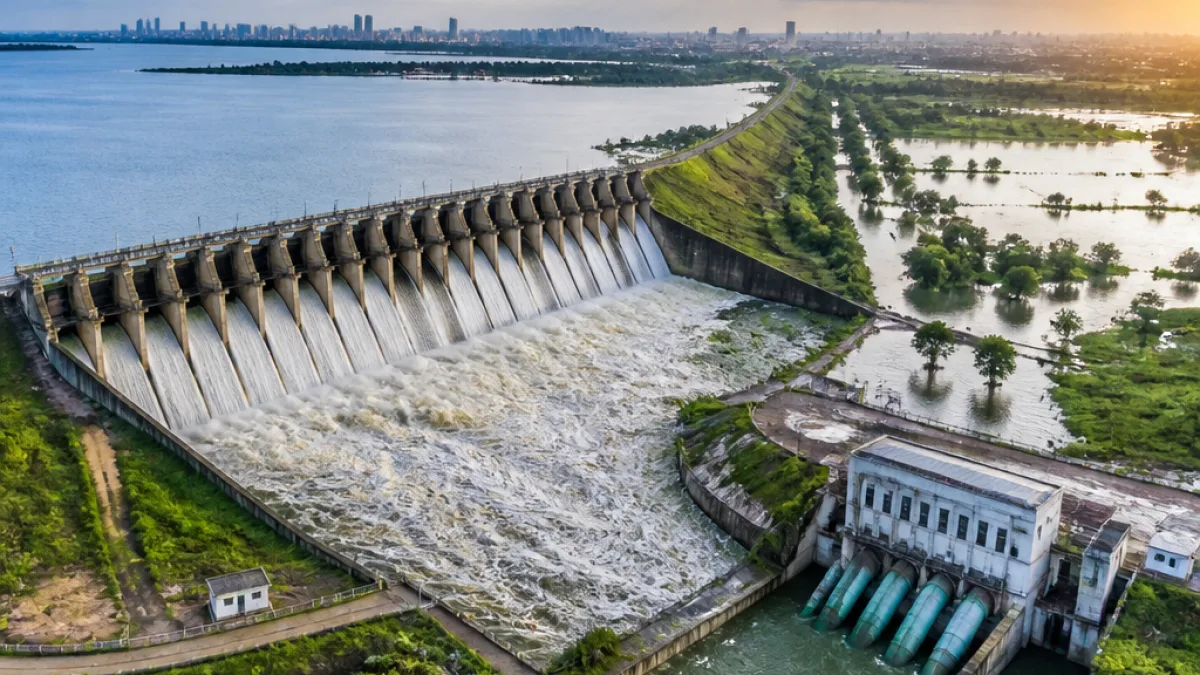
Officials have resumed pumping to the Nandi pump house as well as to the Kadem project. The Kadem reservoir reached full capacity and authorities opened five gates to manage excess inflow, according to the water board.
"The improved inflows from Godavari projects will comfortably meet Hyderabad’s drinking water demand even if Singur supplies decline further during ongoing maintenance," officials said.
Repair work is underway at the Singur reservoir, which under normal conditions supplies about 75 MGD to the city. During the maintenance, Singur's output had fallen to 69.50 MGD. HMWSSB officials reported that the additional volumes coming from Godavari-linked projects will bridge any shortfall caused by reduced Singur releases during the maintenance period.
Water managers highlighted that the timing of the rains and the rapid rise in storage have altered earlier supply projections. When reserves were lower, contingency planning had included measures to optimise distribution and manage non-essential uses until the end of 2026. With current reservoir levels substantially higher, the board expects normal supply operations to continue without the need for emergency restrictions.
Key operational moves taken since the inflow increase include:
- Resumption of pumping from Yellampalli to Nandi pump house and Kadem project.
- Opening of multiple gates at Kadem to regulate full-capacity inflows.
- Ongoing monitoring of Singur repair progress to track any further impact on daily supply.
| Source / Project | Typical contribution | Recent status |
|---|---|---|
| Sripada Yellampalli | 162 MGD; ~10 tmc ft annually | Inflow 1,91,275 cusecs; storage rose to 16.21 tmc ft |
| Singur | 75 MGD (normal) | Output reduced to 69.50 MGD during repairs |
| City supply (net) | ~550 MGD | Maintained via Godavari inflows |
City officials said they will continue to closely track inflows, reservoir storage and consumption patterns through the remainder of the monsoon and into the post-monsoon months. They noted that while the present outlook is favourable, sustained monitoring is essential to respond to any unexpected dry spells or operational disruptions.
Residents dependent on municipal water supplies welcomed the assurance but civic groups urged continued transparency on reservoir data and timely public advisories should supply conditions change. The HMWSSB said it would provide regular updates to maintain public confidence and coordinate with district authorities and irrigation departments on water routing and distribution.
With the improved Godavari inflows and strategic management of existing sources, Hyderabad's immediate drinking water security has been strengthened, officials concluded.