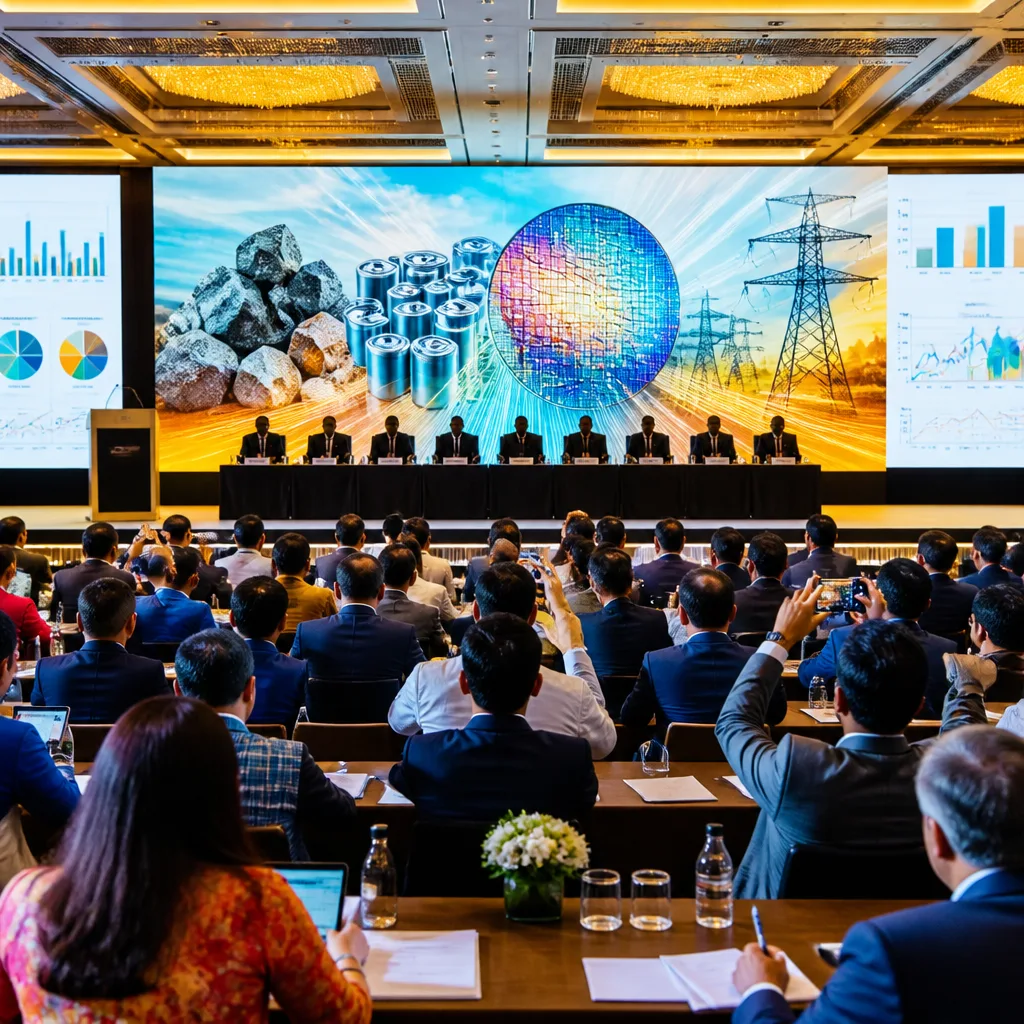
New Delhi, August 04: Policymakers, industry leaders and investors at the Business Today Infrastructure Summit 2026 prioritised building resilient value chains for critical minerals, accelerating energy storage and grid modernisation, and expanding domestic manufacturing for semiconductors and batteries under the theme “Infra India 2047: Building India’s Next Growth Cycle.”
Ministry urges faster mineral exploration and domestic capacity
In a special session, Union Minister of Coal and Mines G. Kishan Reddy called for stepped-up mineral exploration and strengthened domestic mining capabilities to support India's long-term infrastructure and economic ambitions. He underlined the strategic role of critical minerals in national security and technological self-reliance, and flagged priorities including digital connectivity, renewable energy, battery storage and semiconductor manufacturing.
Energy transition and storage move to centre stage
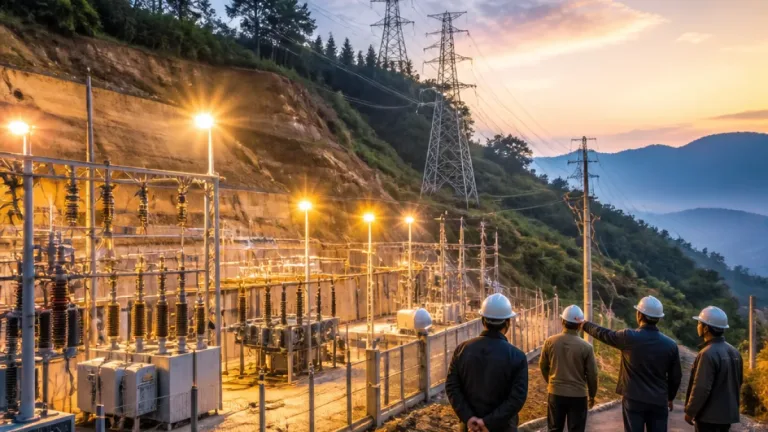
Speakers at the summit converged on the need to move beyond mere capacity addition in power toward a balanced energy mix supported by storage, grid upgrades and domestic clean-tech manufacturing. The discussions highlighted that long-term energy security will require scaling storage solutions and integrating renewables with conventional sources while modernising transmission and distribution networks.
Sumant Sinha, Founder, Chairman and CEO of ReNew, said India is at a pivotal moment in its renewable transition and emphasised manufacturing and supply-chain resilience. He urged a focus on energy storage, domestic manufacturing and securing critical mineral supplies to leverage clean energy for broader economic competitiveness.
"India’s renewable energy transition has reached a significant inflection point."
Digital infrastructure, semiconductors and DPI highlighted
Panel sessions examined the future of the country’s digital backbone, with detailed discussions on artificial intelligence, semiconductor manufacturing, cybersecurity, data centres and Digital Public Infrastructure (DPI). Delegates noted that investments and policy measures to scale semiconductors, protect digital assets and expand DPI will be crucial to India’s technology-led growth agenda.
Speakers aligned their remarks with the Viksit Bharat 2047 vision, identifying policy priorities, investment levers and innovation pathways to build technology-driven, sustainable infrastructure.
- Critical minerals: Accelerate exploration and build domestic value chains to reduce strategic vulnerability.
- Energy storage & grid modernisation: Prioritise storage deployment and transmission upgrades to integrate renewables.
- Domestic manufacturing: Strengthen capacity for batteries and semiconductors to boost self-reliance.
- Digital infrastructure: Scale data centres, AI adoption, cybersecurity and DPI to support digital economy growth.
Implications for investment and policy
The summit underscored that achieving infrastructure objectives to 2047 will require coordinated public policy, targeted capital deployment and private-sector innovation. Discussions suggested that incentives and regulatory clarity to catalyse domestic manufacturing and supply chains, combined with financing for grid and storage projects, will be decisive in translating strategic ambitions into deliverable projects.
| Sector | Key focus |
|---|---|
| Critical minerals | Exploration, domestic processing, resilient supply chains |
| Energy | Storage scale-up, grid modernisation, balanced generation mix |
| Manufacturing | Batteries, semiconductors, clean-tech production |
| Digital | AI, DPI, data centres, cybersecurity |
Delegates at the summit, organised in partnership with the Adani Group, emphasised that implementing the identified priorities will require sustained policy follow-through, capital mobilisation and technology partnerships. The convergence of energy, minerals and digital agendas was presented as central to ensuring economic resilience and enhancing India’s role in global technology and industrial value chains.
Speakers repeatedly framed the agenda as not only an economic task but also a strategic one: securing inputs and capabilities for emerging technologies and critical infrastructure was described as essential to national security and long-term competitiveness.