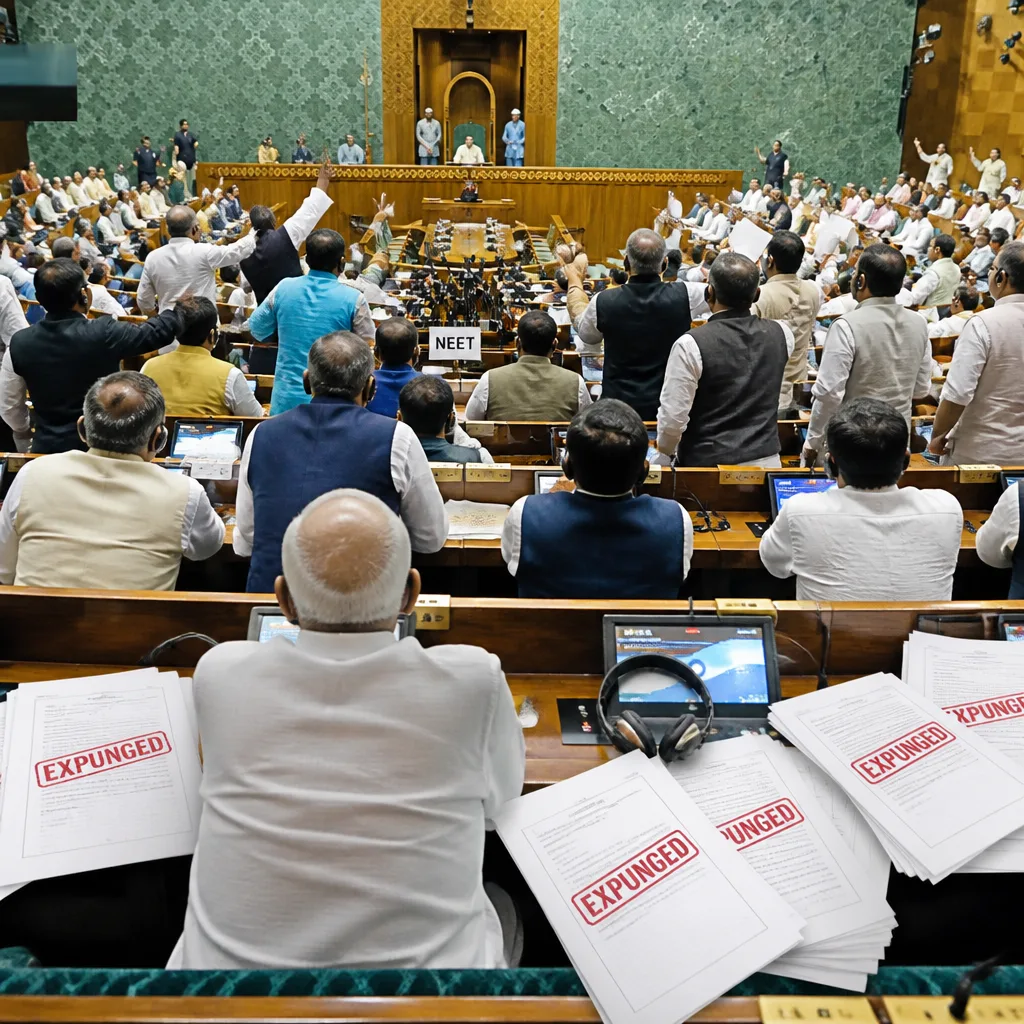
New Delhi: Leader of the Opposition Rahul Gandhi on Wednesday accused the Rashtriya Swayamsevak Sangh (RSS) of exercising control over the Union Education Ministry during a heated Lok Sabha debate on the Public Examination (Prevention of Unfair Means) Amendment Bill-2026. His remarks provoked strong objections from the ruling benches, and parts of his speech are to be expunged from the House proceedings, reported media organisations.
Parliamentary uproar during examination reform debate
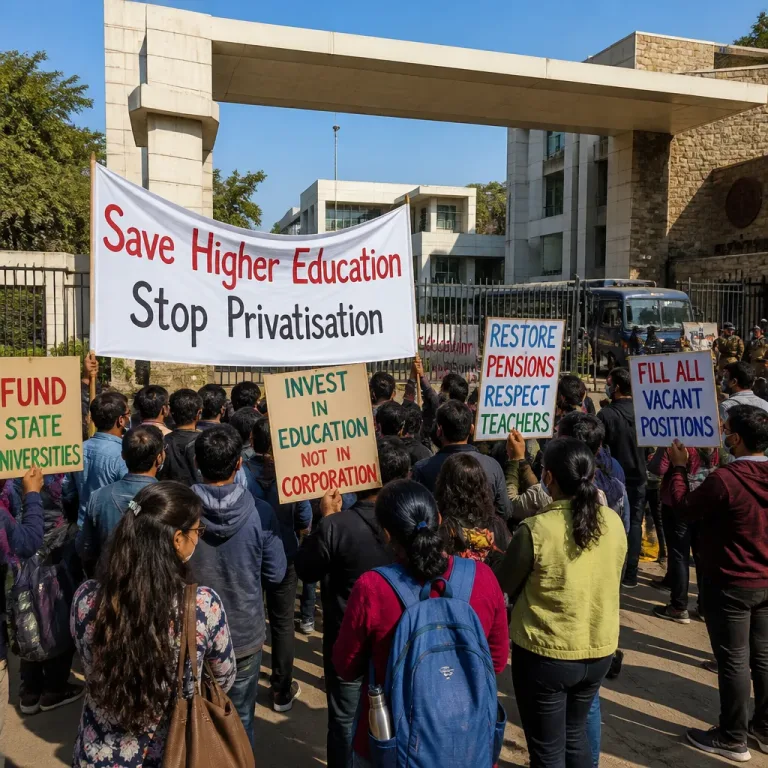
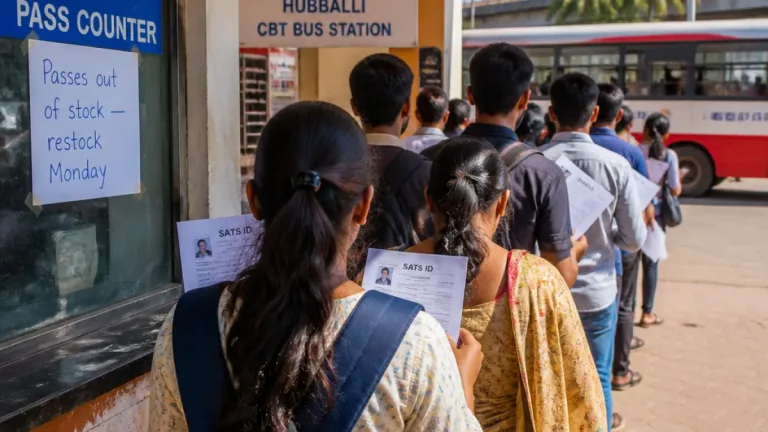
Mr Gandhi opened his address in the lower House amid a discussion that followed recent student protests in the national capital against the leak of the National Eligibility-cum-Entrance Test (NEET) for undergraduate medical admissions. He criticised the Centre’s handling of the issue and placed responsibility beyond the then-Union Education Minister, who has since resigned.
According to reports, he said the former minister, Dharmendra Pradhan, was merely a figurehead and that real authority lay elsewhere. The ruling side objected sharply, with Union Ministers Kiren Rijiju and Rajnath Singh asking Mr Gandhi to refrain from using unparliamentary language and to continue without provocative remarks. The BJP described Mr Gandhi’s allegations as a "bundle of lies" and demanded an apology.
"three categories of people — students, those who think they know everything and pretend to be God, and ‘andhbhakts' who believe the second category is God"
While speaking, the Congress leader characterised public response to the examination leak and the ensuing protests, which he described as an expression of youth dissent. The exact passages of his speech to be expunged were not detailed in the initial reports.
Political context and reactions
The debate in Lok Sabha on the amendment bill has been closely watched after weeks of unrest among students and young people over the NEET question paper leak. The controversy prompted resignations and demands for accountability across political lines. In the parliamentary exchange, the BJP accused the Congress of misusing the House through what it termed baseless charges.
Parliamentary Affairs Minister Kiren Rijiju and Defence Minister Rajnath Singh both objected to Mr Gandhi's language from the Treasury benches, urging adherence to parliamentary norms. Reports said portions of his remarks that were considered unparliamentary will be ordered removed from the official record.
Implications for education governance
The allegation that a non-governmental organisation exerts decisive influence over an administrative ministry is significant in the context of policy-making and institutional responsibility. The charge shifts attention from administrative lapses in examination conduct to broader concerns about influence over curricular and regulatory decisions. The immediate parliamentary outcome — disruption and expungement — also underscores how sensitive the matter is for both sides.
- Issue debated: Public Examination (Prevention of Unfair Means) Amendment Bill-2026
- Trigger: Student protests following NEET UG paper leak
- Key actors: Rahul Gandhi, Dharmendra Pradhan (former Union Education Minister), Kiren Rijiju, Rajnath Singh
| Person | Role in reports |
|---|---|
| Rahul Gandhi | Leader of the Opposition; alleged RSS control of Education Ministry |
| Dharmendra Pradhan | Former Union Education Minister; described as a symbol by Mr Gandhi |
| Kiren Rijiju | Parliamentary Affairs Minister; objected to remarks |
| Rajnath Singh | Defence Minister; objected to remarks |
As Lok Sabha proceedings continue, the episode is likely to intensify scrutiny of both the Amendment Bill and the handling of examination integrity. Questions over accountability, administrative competence and the influence of external actors on education policy have now moved squarely into parliamentary debate.