Aizawl, Sep 19: Mizoram has called on the Centre to provide enhanced, region‑sensitive support for education in the Northeast, highlighting problems that the state says require tailored solutions rather than one‑size‑fits‑all policies.
Minister flags logistical and structural constraints
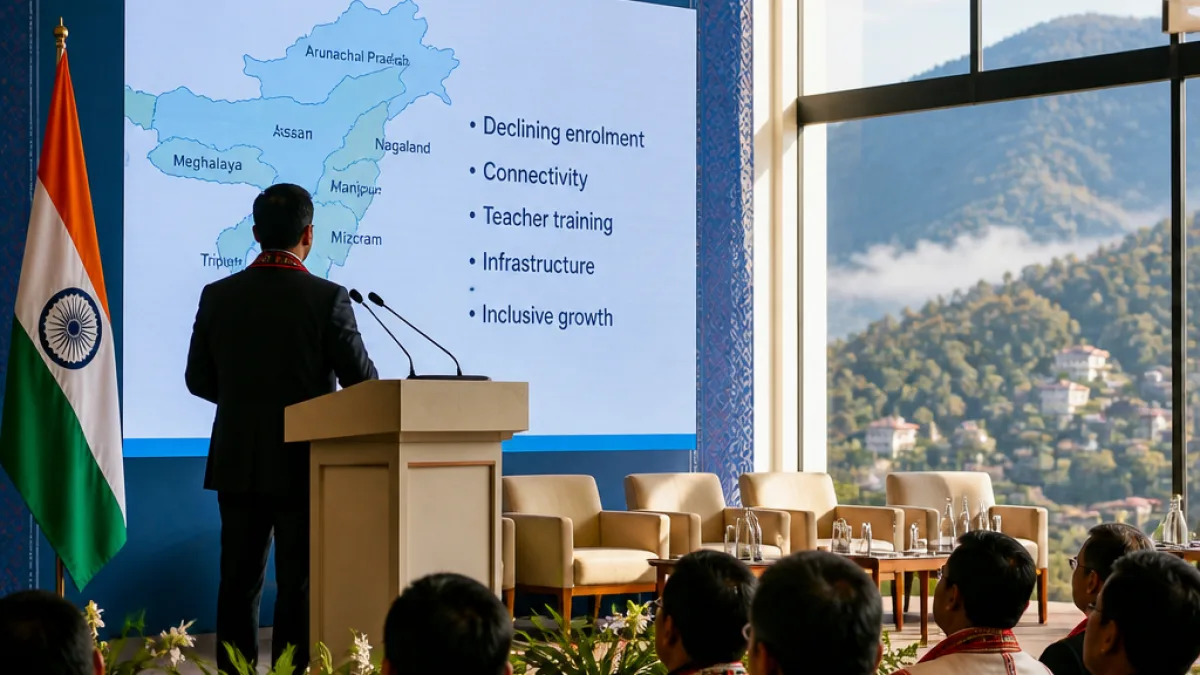
Addressing the North East Education Conclave in Nagaland, Education Minister Vanlalthlana stressed that several states in the region face common but distinct challenges arising from terrain, dispersed settlements and socio‑economic conditions. He underlined the need for central schemes to take these realities into account during planning and implementation.
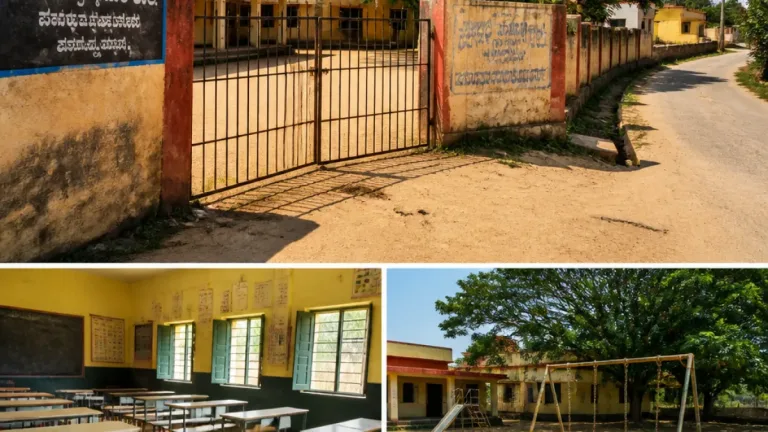
The minister pointed to a set of persistent problems affecting school education in Mizoram and neighbouring states: declining enrolment in government schools, limited access to secondary education in rural and remote areas, shortages of personnel in institutions responsible for teacher training and educational research, and gaps in connectivity and power supply that hamper digital initiatives.
"The region's terrain, dispersed settlements and local conditions require greater attention while planning and executing education programmes," the minister said.
Specific institutional gaps highlighted
Vanlalthlana drew attention to staffing shortages at District Institutes of Education and Training (DIETs) and State Councils of Educational Research and Training (SCERTs), which are central to teacher preparation and pedagogical support. He said these shortages limit capacity for teacher training and in‑service professional development, affecting quality at the school level.
Connectivity and infrastructure were cited as additional constraints. Limited internet access in remote pockets and unreliable power supply, the minister said, impede the rollout and effectiveness of digital education programmes that many central schemes increasingly rely on.
State initiatives and proposals to the Centre
Mizoram has adopted several measures to strengthen school education locally, the minister said. These include a Standardised Assessment for Elementary Schools and the Vidya Samiksha Kendra, established for monitoring and assessment. The state has also launched Project Intodelh, aimed at promoting financial literacy and entrepreneurship among students to build economic self‑reliance.
At the conclave the state submitted proposals related to the implementation of Samagra Shiksha 3.0 and PM‑USHA, seeking adaptations and additional support that account for the region's distinctive challenges, Vanlalthlana said.
- Key problems listed: declining enrolment in government schools, poor secondary access in remote areas, staff shortages in DIETs/SCERTs, connectivity and power shortfalls, financial constraints for recruitment and infrastructure.
- State measures: Standardised Assessment for Elementary Schools; Vidya Samiksha Kendra; Project Intodelh.
- Requests to Centre: region‑sensitive implementation of national schemes and additional support for institutional capacity, infrastructure and connectivity.
Challenges to implementation and funding
The minister cautioned that financial limitations restrict the state's ability to recruit adequate staff and expand infrastructure. He appealed for central assistance to bridge resource gaps so that states in the Northeast can implement programmes effectively and equitably.
Vanlalthlana emphasised that policies must consider ground realities — from difficult terrain to scattered habitations — to ensure schemes such as Samagra Shiksha 3.0 and PM‑USHA reach their intended beneficiaries and improve outcomes across the region.
Table: Issues and suggested focus areas
| Issue | Suggested focus for Centre‑state action |
|---|---|
| Declining enrolment in government schools | Targeted incentives, community outreach and quality improvement measures |
| Limited secondary access in remote areas | Expansion of secondary facilities, transport support and distance learning adaptations |
| Shortages in DIETs and SCERTs | Staffing support, capacity building and funding for teacher education |
| Connectivity and power | Investment in internet infrastructure and reliable electricity for schools |
| Financial constraints | Additional central grants and flexibility in fund utilisation |
The North East Education Conclave brought together state representatives and education stakeholders to discuss regional priorities. Mizoram's interventions at the event aimed to secure central recognition of the distinctive obstacles the northeastern states face and to persuade policymakers to tailor support accordingly.
As the Centre prepares to roll out next‑generation education programmes, states from the region are seeking explicit mechanisms to adapt guidelines, obtain extra resources and strengthen delivery systems so that national schemes translate into measurable improvements at the local level.
Reporting from the hills.