Union Minister for Education Dharmendra Pradhan submitted his resignation to Prime Minister Narendra Modi on Saturday, stepping down amid a nationwide wave of youth protests triggered by allegations of leaks in the national medical entrance examination (NEET).
Immediate developments
President Droupadi Murmu accepted the resignation with immediate effect under Article 75(2) of the Constitution, and on the prime minister’s advice the education portfolio was given as an additional charge to Union Minister Pralhad Joshi. Joshi told reporters he had accepted the responsibility "with a sense of duty and humility."
Pradhan, in his resignation letter posted on X, said he was stepping down so that "anti-national forces" could not exploit the standoff at Jantar Mantar and so that no student's future would be entangled in legal trouble. He did not offer an apology for the leaks that precipitated the protests.
How the protests built pressure
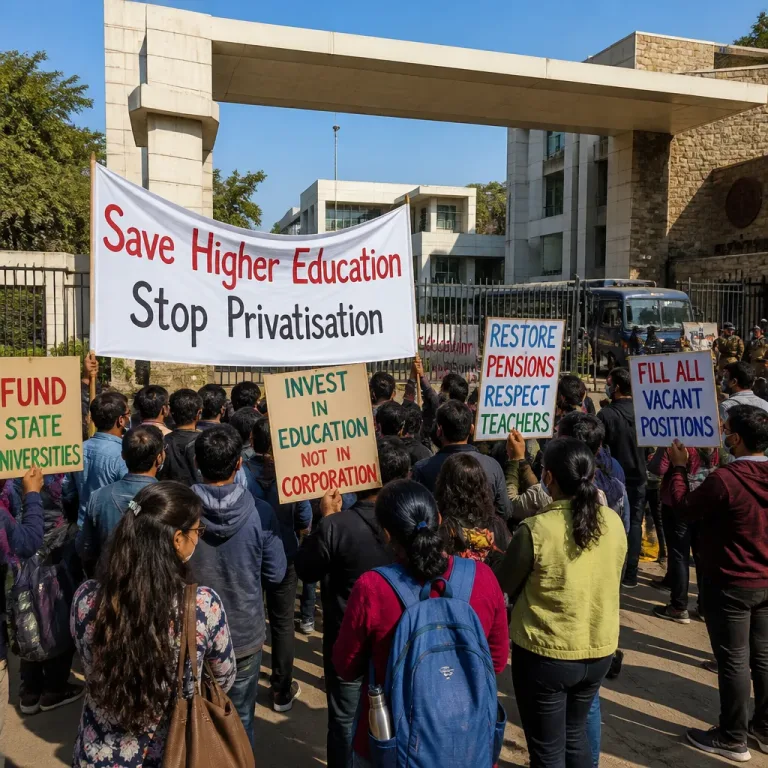
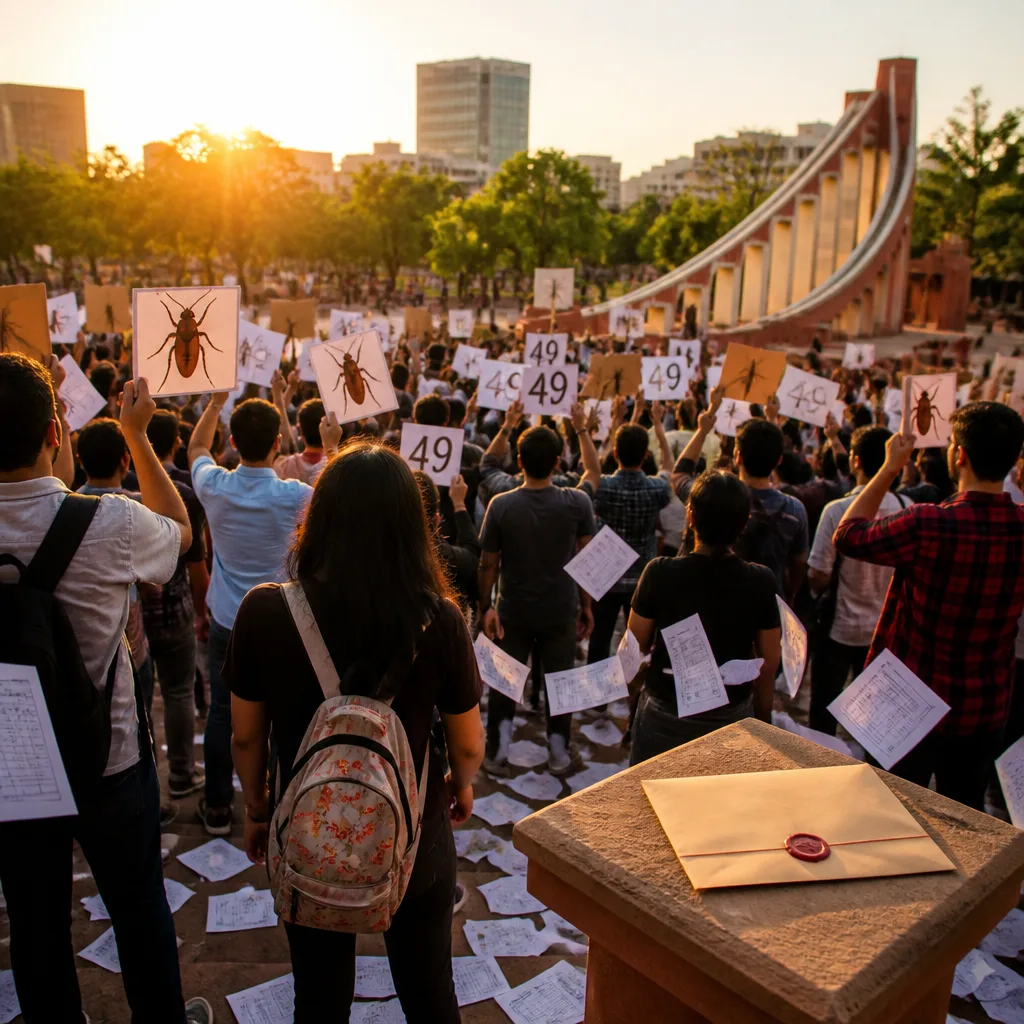
The movement, styling itself the Cockroach Janta Party (CJP), grew from student anger after the exposure of irregularities in the NEET examination process in May. The campaign drew attention through satirical messaging and demonstrations at New Delhi’s designated protest ground, Jantar Mantar, and spread to other cities.
Forty-nine days after the CJP's first police-permitted march to Jantar Mantar, the protesters’ core demand — the minister’s resignation — was met. The moment prompted an emotional reaction at the site: CJP founder Abhijeet Dipke fell to his knees and then raised his fist, shouting, "We have done it, we have done it," before reading aloud names of students who had taken their lives after the exam cancellations. The CJP posted on X:
"Cockroaches won… Democracy won!"
Political and administrative context
The resignation follows weeks of escalating confrontation between protesters and authorities, including heavy policing at demonstrations. Earlier remarks by Pradhan dismissing the CJP as the "B-team of terrorists" and government statements that resignation would be "running away" were dropped as the standoff continued.
The transfer of the education portfolio to Pralhad Joshi as an additional charge is an immediate administrative step; how the ministry will address the underlying failures identified in the NEET controversy — investigative outcomes, accountability in examination administration, and safeguards to prevent recurrence — remains a key policy question.
- Protest genesis: Allegations of leaks in NEET in May triggered nationwide student activism.
- Duration: The movement marked 49 days since its initial authorised march to Jantar Mantar.
- Outcome: Education Minister resigned; portfolio assigned to Pralhad Joshi as additional charge.
Public impact and reaction
The resignation produced visible scenes at the protest ground: the national anthem played, sweets were distributed among crowds and metro stations around the site reopened after a period of disruption. Social media played a central role in shaping the movement’s public image; protesters used memes, satirical posters and videos to build sympathy and reduce perceptions of threat.
The protest narrative has also highlighted a wider grievance — the pressure of high-stakes entrance examinations and the consequences for students who face uncertainty about admissions and career prospects. At least one activist, Sonam Wangchuk, shared images from hospital while remaining engaged in the campaign.
| Event | Detail |
|---|---|
| Trigger | Alleged NEET leaks in May |
| Protest site | Jantar Mantar, New Delhi (and other cities) |
| Duration | 49 days since first authorised march |
| Immediate outcome | Resignation of Education Minister; portfolio to Pralhad Joshi |
The resignation closes a dramatic chapter in the recent confrontation between students and the central government, but it opens new questions about accountability, examination reforms and how the Union ministry will restore public confidence in national entrance tests. The coming days are likely to see demands from students and civil society for transparent investigations and concrete remedial measures.
Coverage will continue as the ministry outlines next steps and as political and legal processes unfold around the examination controversy.