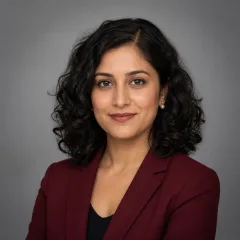
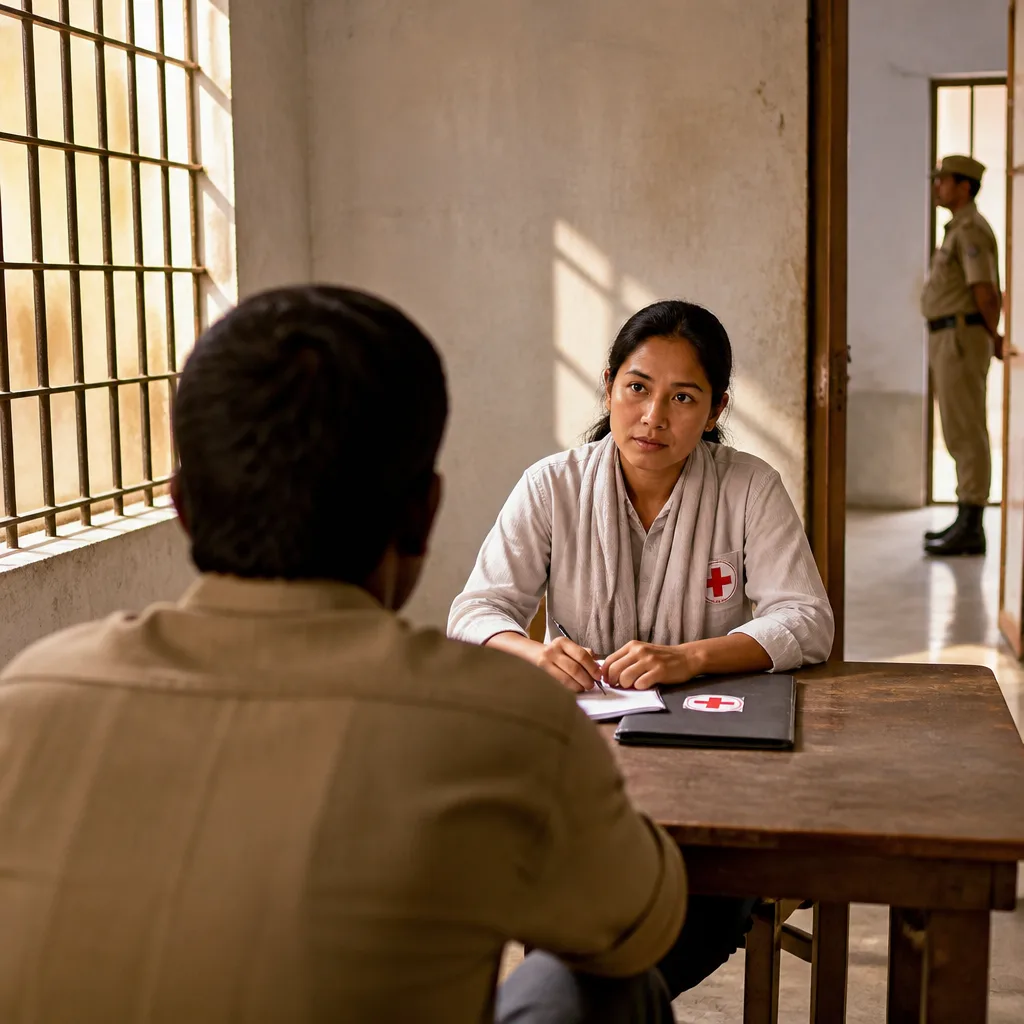
Photographs showing detained Myanmar leader Aung San Suu Kyi meeting representatives of the International Committee of the Red Cross (ICRC) have been released, providing the first independent visual confirmation of her condition since her arrest in February 2021, Reuters reported on Tuesday.
Visual confirmation after years of uncertainty
The 81-year-old Nobel Peace Prize laureate has been held since the military seized power in a dawn coup more than five years ago. Her location and health have long been subjects of global concern, with information tightly controlled by the junta. The images, and accounts surrounding the visit, have renewed debate about both her physical state and the motives of her captors.
A son of the detained leader said the meeting was "extremely meaningful", describing the photographs as the first independent proof in a long time that she was alive. The visit was conducted by the ICRC, which is one of the few international organisations permitted to see detained individuals in Myanmar under certain constraints.
"It's the first independent proof that I've had that she's actually alive for a long time now. So it's extremely meaningful."
Questions over medical access and timing
According to the reporting, Suu Kyi's son said ICRC delegates were not permitted to allow a physician to examine his mother. That assertion has intensified scrutiny of the level of medical access afforded to high-profile detainees in Myanmar.
Observers and members of the Myanmar diaspora expressed relief at the confirmation of her wellbeing but also unease about why the photographs were released when they were and what conditions governed the meeting. Some analysts suggested the timing could serve multiple purposes for the military regime, including managing domestic narratives or responding to international pressure.
- Detention: Aung San Suu Kyi has been detained since February 2021, following the military coup that deposed the elected civilian government.
- Photographs: Released after years with limited independent verification of her status; visit involved the International Committee of the Red Cross (ICRC).
- Family reaction: Her son called the images "extremely meaningful" but reported that no medical examination by an independent physician was allowed.
Regional and international implications
Myanmar's political crisis has produced enduring instability in the country and raised human rights alarms internationally. Restrictions on independent access to detained leaders are a central concern for foreign governments and rights groups that have repeatedly urged transparent treatment and fair legal process.
For countries in South and Southeast Asia, developments around prominent political detainees can affect bilateral relations, refugee flows and humanitarian operations. The ICRC's involvement highlights the limited pathway international organisations have to engage with detainees in Myanmar, even as those organisations seek to monitor welfare and provide neutral humanitarian assistance.
| Fact | Detail |
|---|---|
| Age | 81 |
| Detained since | February 2021 |
| Independent access | Limited; ICRC visit reported, independent physician not allowed by authorities, according to family statements reported by Reuters. |
Human rights organisations and governments monitoring Myanmar will likely press for greater transparency about the conditions of Suu Kyi's detention and for unrestricted medical access. The release of the photographs offers reassurance to supporters but is unlikely to settle broader concerns about due process or the military's treatment of political opponents.
How the junta frames and times such disclosures may be observed closely by diplomats and advocacy groups, who read such gestures for indications of internal calculations within the military leadership. For regional players, the situation remains a tense foreign policy issue that intersects with humanitarian considerations and long-term stability in Southeast Asia.
The reported ICRC visit and the subsequent release of images reopen familiar questions: whether outside observers will be granted meaningful access to confirm detainees' health, and whether such access can translate into durable improvements in legal treatment and humane conditions.
Further reporting by international agencies was cited in the accounts of the visit and family reactions.