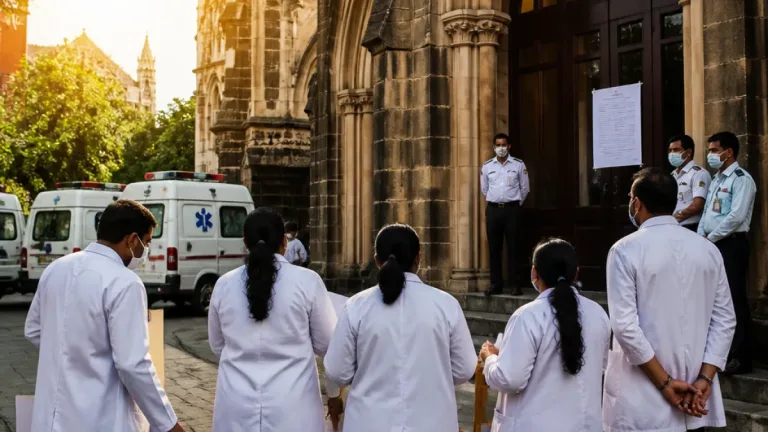
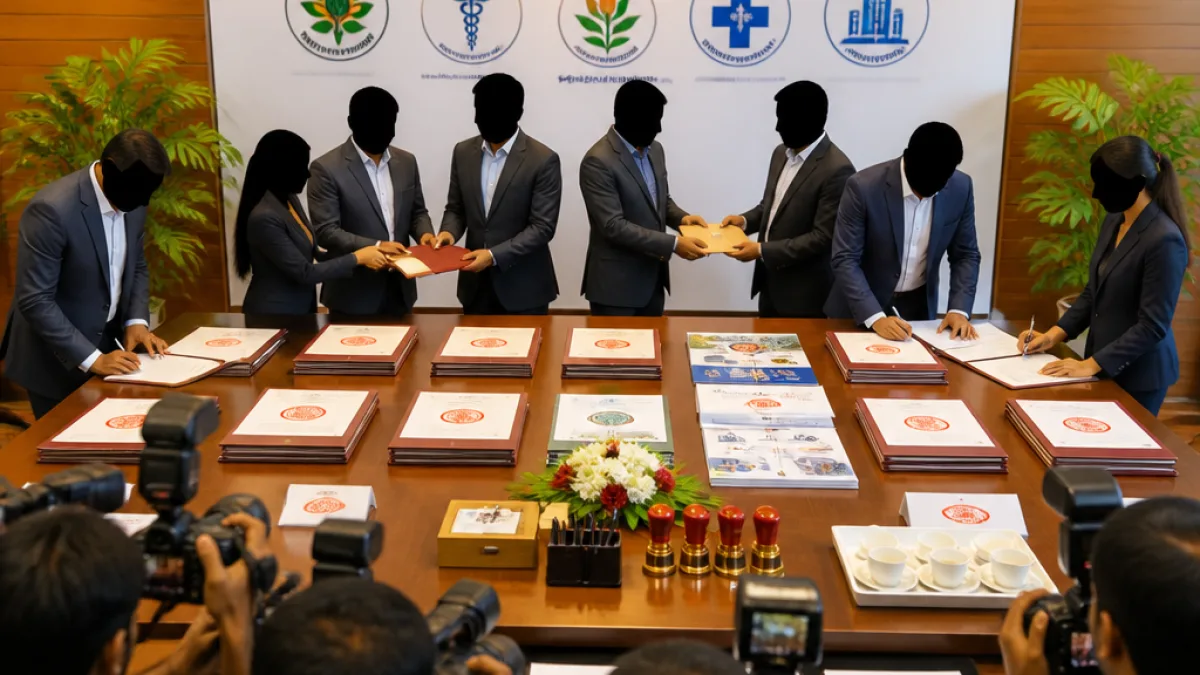
The Odisha Health and Family Welfare Department on Wednesday executed 10 Memorandums of Understanding (MoUs) with various institutions aiming to enhance trauma care, medical education, laboratory services and broader healthcare infrastructure in the state, Health Minister Mukesh Mahaling said.
Partnerships target multiple health verticals
Officials said the agreements cover ten distinct verticals, with specific focus areas including trauma care, promotion of traditional systems of medicine, medical education and upgradation of diagnostic facilities at district and sub-divisional levels. The exercise forms part of the state government’s ongoing strategy to upgrade health services and expand training opportunities for health professionals.
Mahaling described the day as a significant milestone for the department and linked the progress to the leadership of Prime Minister Narendra Modi and Chief Minister Mohan Charan Majhi. He highlighted a major collaboration with the All India Institute of Ayurveda to strengthen trauma care and to promote the Indian Knowledge System and AYUSH initiatives in the state.
“This is a historic day for our Health Department. Under the leadership of Prime Minister Narendra Modi and Chief Minister Mohan Charan Majhi, we have signed 10 MoUs with various institutes for the health sector in Odisha,”
The minister also noted corporate participation, acknowledging an MoU with the Adani Group for construction of rest houses at healthcare facilities. He said the state is prioritising upgrades to laboratory capacity at district and sub-divisional headquarters to improve diagnostic reach and turnaround time for patients.
What the MoUs aim to achieve
- Strengthening of trauma care systems and emergency response capacity;
- Promotion and integration of AYUSH and Indian Knowledge System in medical education and practice;
- Expansion of medical education opportunities and faculty development;
- Upgrading laboratory services at district and sub-divisional levels to bolster diagnostics;
- Infrastructure improvements at healthcare facilities, including rest houses for staff and patients’ attendants.
Officials present at the signing said the MoUs are expected to facilitate capacity building, technical assistance and resource sharing between the state and partner institutions. No financial figures or detailed schedules were disclosed in the initial announcement.
State context and likely impact
Odisha’s health administration has, over recent years, emphasised expanding tertiary and emergency services to reduce referral delays and improve outcomes in time-sensitive conditions such as trauma. Strengthening district laboratories and decentralising diagnostic services could reduce dependence on distant tertiary centres for routine and specialised tests, health officials noted.
Partnerships with national institutions such as the All India Institute of Ayurveda suggest an effort to blend conventional and traditional systems of medicine at institutional and training levels. While proponents argue this can broaden therapeutic options and workforce capacity, experts often emphasise the need for standardised protocols and evidence-based integration.
Corporate engagement in constructing rest houses at hospitals, as flagged with the Adani Group, aligns with recent trends of public-private collaboration for non-clinical infrastructure that supports patient care, particularly in high-burden centres where patient attendants require affordable accommodation.
Next steps and implementation
Officials said the MoUs will now move into the implementation phase, which typically involves formation of joint working groups, timelines for deliverables, and monitoring mechanisms. The Health Department has not yet released a detailed implementation timeline or the list of all partner institutions involved in the ten agreements.
Stakeholders including district health officers, hospital administrators and medical educators will be key to translating the agreements into operational changes at ground level. Improved laboratory networks and enhanced trauma care protocols will require investments in human resources, training, equipment and referral linkages.
As implementation unfolds, the department is expected to provide periodic updates on specific projects, timelines and funding arrangements. For citizens, immediate benefits could include more accessible diagnostics and expanded training seats for healthcare cadre; longer-term outcomes will depend on sustained execution and oversight.
Debasish Mohanty, Correspondent