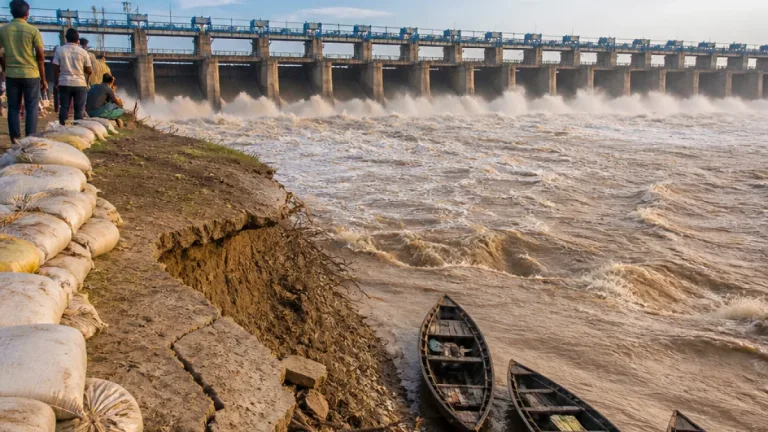
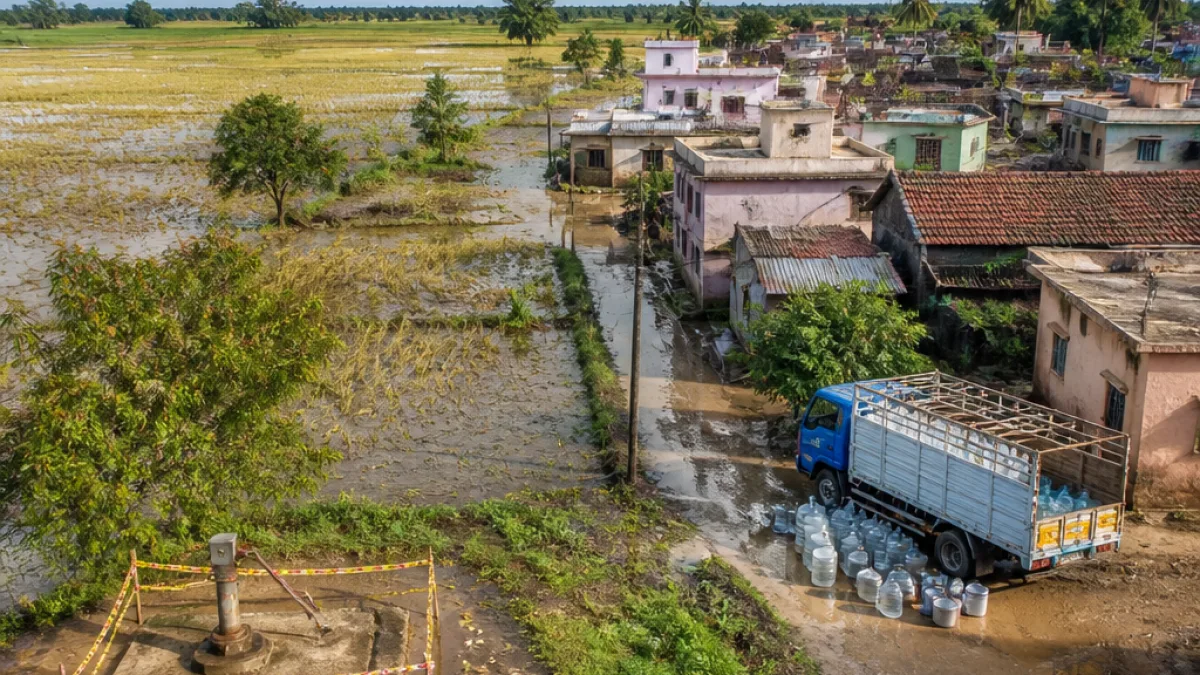
Floodwaters are gradually receding across parts of Odisha, but the situation remains serious in the worst-affected districts where contaminated drinking water, extensive crop damage and destruction of houses continue to trouble families, officials said on Sunday.
Relief efforts intensified as water levels fall
State authorities reported a slow fall in water levels in rivers and inundated areas, and said relief operations have been intensified. District collectors have been asked to complete damage-assessment reports promptly to enable disbursal of compensation and targeted relief.
Despite easing river levels, officials cautioned that the humanitarian impact persists. In the worst-hit districts of Balasore, Bhadrak and Jajpur, wells and tubewells are reported to be contaminated, leaving many households without safe drinking water. Several families remain unable to prepare food as kitchens and homes have been damaged or remain under water.
Authorities also highlighted safety concerns after reports that snakes and crocodiles have entered inundated villages, raising fear among residents and complicating rescue and relief work.
IMD issues Yellow Alerts as rain forecast continues
The India Meteorological Department (IMD) has forecast another spell of heavy rainfall across most parts of the state until August 5, and issued Yellow Alerts for most districts, warning of heavy rain, thunderstorms and gusty winds over the next three days. Officials said there is no immediate threat of another large-scale flood, but urged caution given the forecast.
State relief agencies have kept evacuation centres operational and are preparing for possible fresh inundation in low-lying pockets should the IMD outlook materialise.
Humanitarian and agricultural losses
Local officials and relief workers reported extensive agricultural losses in affected areas. Farmers described standing crops being damaged by prolonged inundation. The scale of crop loss is expected to affect rural incomes and market supplies until detailed assessments are completed.
To give an overview, officials cited the following primary impacts in hardest-hit districts:
- Drinking water shortage: Contamination of wells and tubewells has disrupted household water supply.
- Crop damage: Extensive losses reported in standing crops due to prolonged waterlogging.
- Household damage: Many homes and kitchens damaged or destroyed, preventing normal cooking and shelter.
- Wildlife intrusion: Snakes and crocodiles entering inundated areas have heightened risks.
| District | Primary Reported Problems |
|---|---|
| Balasore | Contaminated wells, crop damage, house inundation |
| Bhadrak | Drinking water shortage, livestock and crop impacts, safety concerns |
| Jajpur | Damaged homes and kitchens, waterlogging of farmland |
Administration response and next steps
The state government has directed district collectors to expedite submission of detailed damage assessment reports so that compensation and relief funds can be released quickly, officials said. Relief teams have been mobilised to distribute safe drinking water, food packets and essential supplies in inundated pockets.
While authorities indicated there is currently no immediate threat of a renewed flood, the IMD yellow warnings have kept contingency plans in force. Given uncertainties in weather, the government has urged residents in low-lying and flood-prone areas to remain alert and adhere to instructions from local administration.
Health officials have flagged potential post-flood sanitation and waterborne-disease risks arising from contaminated water sources and disrupted sanitation facilities. They have urged residents to boil or chlorinate water before consumption and to seek medical attention if symptoms of waterborne illness appear.
Rescue and relief operations are likely to continue as damage assessments are completed and recovery needs are determined. Authorities have not provided a consolidated estimate of losses or displaced persons at this stage; district-level reports are being compiled for statewide assessment and aid allocation.
As the IMD forecast covers the immediate days ahead, the priority for administration and relief agencies remains mitigating health risks, restoring potable water supplies and supporting farmers and families whose livelihoods have been affected by the floods.
Correspondent reporting from the affected districts contributed to this dispatch.