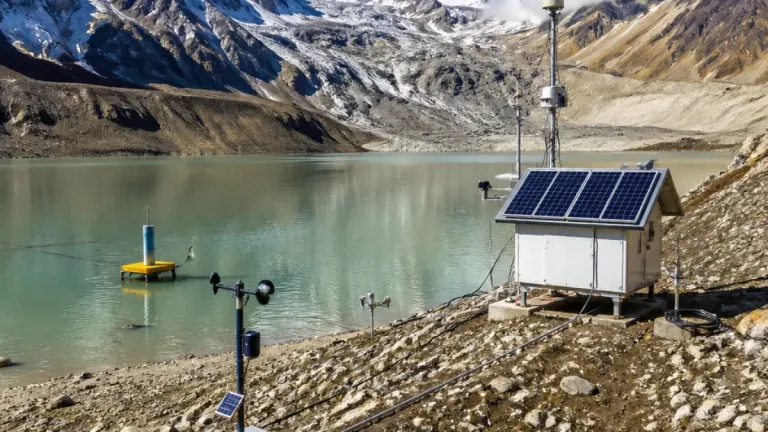
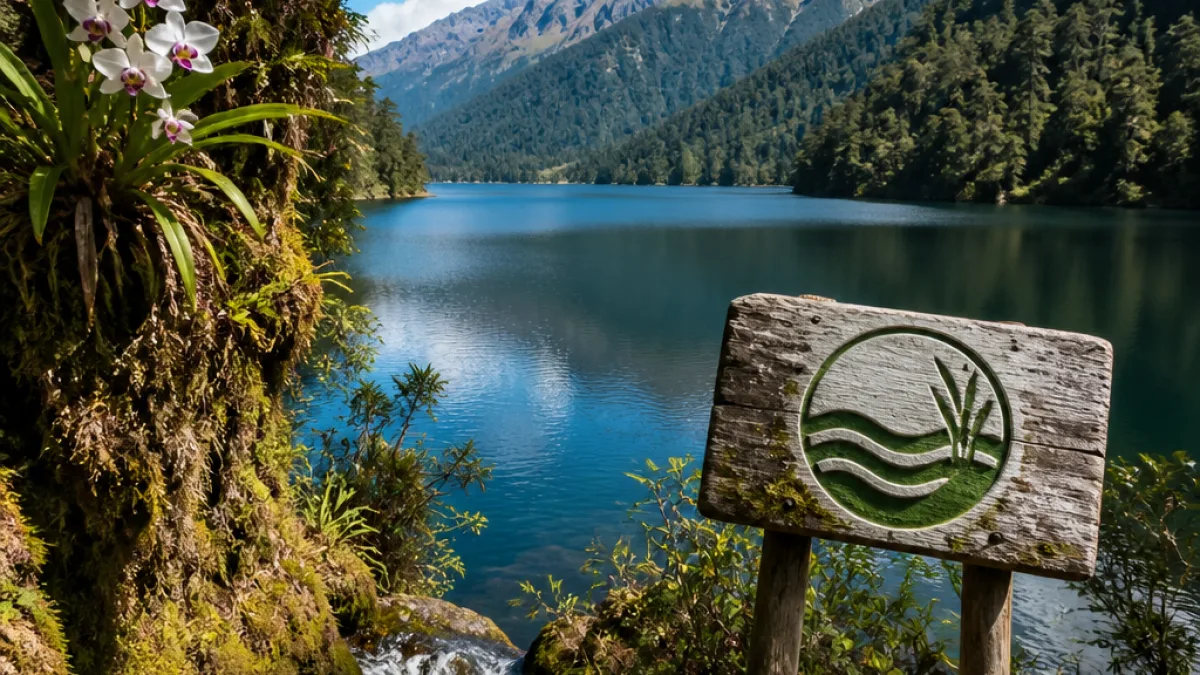
Glaw Lake, a pristine freshwater lake located inside the Kamlang Tiger Reserve and Wildlife Sanctuary in Arunachal Pradesh, has been designated as India’s 101st Ramsar Site, officials reported on Monday. The recognition marks the first Ramsar wetland in the state and brings international attention to a high‑altitude wetland in the Eastern Himalayas.
Why Glaw Lake is important
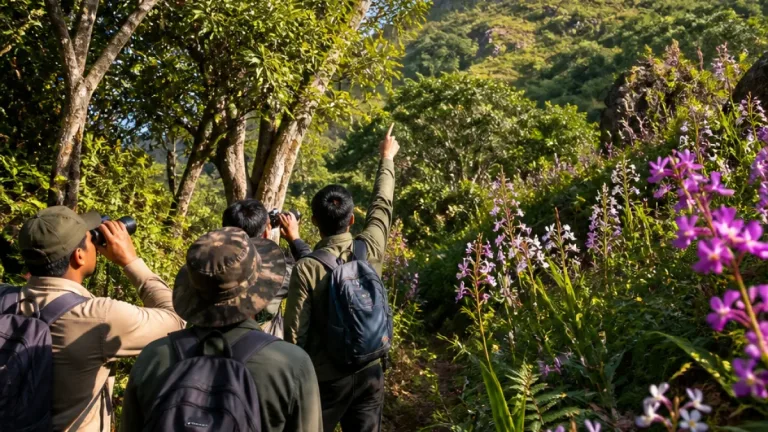
The wetland and its catchment are noted for high biodiversity. The site is fed by perennial mountain streams and surrounded by dense, largely intact forest. According to available assessments, the area supports more than 150 tree species and 49 orchid species, underlining its role as a local biodiversity hotspot within the Kamlang landscape.
The Ramsar Convention of 1971 recognises wetlands of international importance for their ecology, hydrology and role in supporting human livelihoods. Ramsar status typically draws focus on conservation, sustainable use, and on planning measures that balance ecological protection with community needs.
What the designation means for Arunachal and India
With Glaw Lake added to the list, India’s tally of internationally recognised wetlands has risen to 101 Ramsar Sites, a substantial increase from 26 sites in 2014. For Arunachal Pradesh, this is the first wetland to receive such status, positioning the state within national and international wetland conservation frameworks.
- Conservation recognition: Ramsar tagging signals international acknowledgement of the site’s ecological value.
- Management expectations: Designation typically brings an expectation of formal management plans, monitoring and reporting obligations.
- Local implications: Potential for sustainable livelihood initiatives, eco‑tourism development and capacity building for surrounding communities, balanced against stricter conservation safeguards.
Key facts at a glance
| Feature | Detail |
|---|---|
| Site name | Glaw Lake |
| Location | Within Kamlang Tiger Reserve and Wildlife Sanctuary, Eastern Himalayas, Arunachal Pradesh |
| Biodiversity highlights | >150 tree species; 49 orchid species |
| Ramsar status | India’s 101st Ramsar Site; first in Arunachal Pradesh |
Conservation and management challenges
The Ramsar tag brings attention but also responsibilities. Wetlands in the Himalayan foothills are increasingly sensitive to factors such as changing precipitation patterns, vegetation alteration, catchment disturbances and human pressures. Effective protection will depend on coordinated action among forest and wildlife authorities, district administration and local communities who depend on the landscape.
Designation often requires the preparation or strengthening of site management plans, periodic ecological monitoring and measures to address threats such as encroachment, unsustainable resource extraction and invasive species. It also typically involves reporting to the Ramsar Secretariat on ecological character and any changes to the site.
Opportunities for local communities and research
International recognition can open avenues for scientific study, biodiversity inventories and targeted funding for conservation projects. It may also create opportunities for community‑led sustainable enterprises such as low‑impact eco‑tourism, handicrafts and nature‑based livelihoods, provided these are developed under clear safeguards to protect the wetland’s ecological character.
For a remote frontier state like Arunachal Pradesh, Ramsar status can help attract technical assistance and partnerships with conservation organisations, research institutions and central government programmes aimed at wetland restoration and watershed management.
Next steps and wider context
India’s network of Ramsar Sites has grown rapidly over the past decade. The addition of Glaw Lake strengthens national efforts to conserve wetlands and maintain water security, biodiversity and climate regulation values. Moving forward, authorities in Arunachal Pradesh will need to integrate Ramsar obligations into local land‑use planning and protected‑area management to ensure lasting protection of the lake and its catchment.
Further official announcements and detailed management measures are expected from competent forest and environment agencies as they align local actions with Ramsar guidelines and national wetland conservation priorities.
— Correspondent reporting from Arunachal Pradesh.