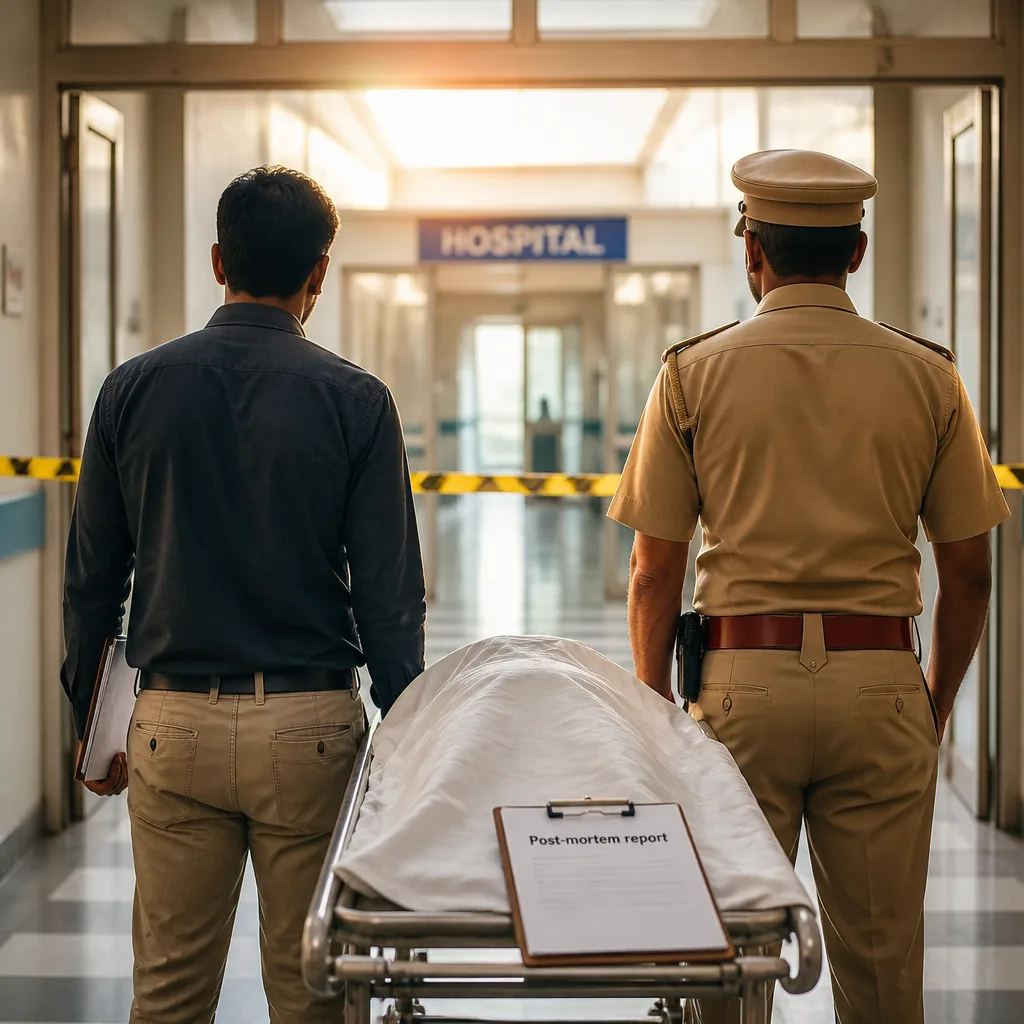
Thiruvananthapuram: The postmortem of a youth who died weeks after being questioned by police in Kollam district has attributed his death to hepatitis, the Kerala Chief Minister said on Wednesday, while the state ordered a detailed investigation by the district crime branch.
State orders probe, awaits police report
Chief Minister V D Satheesan told reporters after a Cabinet meeting that the Home Department has requested a report from the state police chief and that the Kollam district crime branch will conduct a comprehensive probe into the circumstances surrounding the death. Further action will be decided on receipt of the crime branch findings, he said.
"The postmortem medical report says hepatitis was the cause of death," the chief minister said.
The case concerns Siyad, a resident of Societymukku in Kundara, who was taken into police custody on June 16 in connection with the disappearance of a 13-year-old neighbour. Police released him the following day.
Allegations, timeline and official position
According to the account furnished by the chief minister and material reported by PTI, Siyad was allegedly assaulted by another local man on July 2, nearly two weeks after his release from custody. He was subsequently admitted to hospital and died at the Thiruvananthapuram Medical College Hospital on July 25, more than a month after being held by police.
The deceased’s family has alleged that injuries sustained while in police custody contributed to his death. His wife has said he was assaulted inside a police vehicle and again at the police station, and that he later complained of severe body pain. The family also said doctors found rib injuries which they say developed complications.
Police have denied any custodial assault, maintaining that Siyad was not subjected to violence while in detention. The chief minister said the crime branch probe will examine the statement of the deceased’s paternal uncle and details of the alleged July 2 assault as part of its inquiry.
- Key dates: Police custody on 16 June; release on 17 June; alleged assault on 2 July; hospitalisation and death on 25 July.
- Cause on postmortem: Hepatitis, as reported by the chief minister.
- Next steps: Report sought from state police chief; Kollam district crime branch to investigate.
Legal and institutional context
When deaths follow police custody or questioning, state authorities typically order independent inquiries to establish causation, the conduct of law enforcement personnel and whether procedural safeguards were observed. The involvement of the district crime branch indicates the state intends a specialised criminal investigation rather than an internal administrative review alone.
Chief ministers publicly flag such inquiries to reassure the public and the victim’s family that allegations will be scrutinised. The outcome of the crime branch probe and the report from the police chief will determine whether disciplinary or criminal proceedings are initiated against any individual.
What remains to be established
Officials will need to reconcile the postmortem finding of hepatitis with the family’s claim of injuries and the timeline of events. Forensic and medical records, hospital treatment notes, eyewitness statements, custody records and independent medical opinions will be material to the investigation. The crime branch is expected to examine all these elements.
| Item | Detail |
|---|---|
| Person | Siyad (resident of Societymukku, Kundara) |
| Custody date | 16 June (released 17 June) |
| Alleged assault | 2 July |
| Date of death | 25 July (Thiruvananthapuram Medical College Hospital) |
| Postmortem finding | Hepatitis |
The state government has said it will await the findings of the crime branch before deciding on further steps. The case has already drawn public attention because of the family’s allegations of custodial mistreatment and the elapsed interval between police custody and the death.
The investigation's conclusions will be closely watched for their implications on policing accountability and the standards applied when allegations of custodial harm are raised.