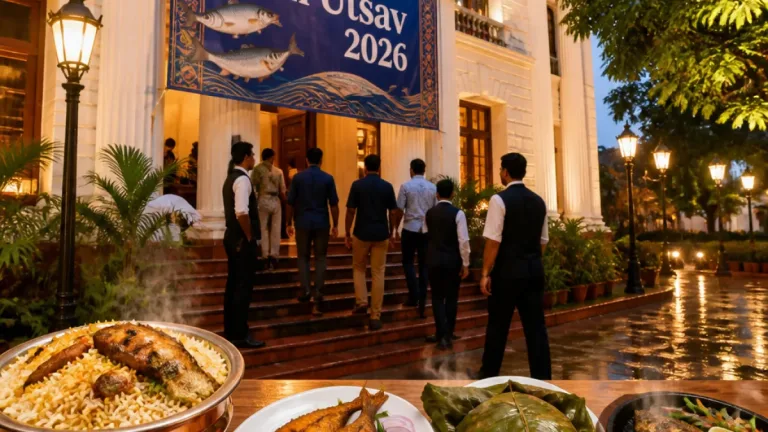
New Delhi: Across India, centuries-old palaces, havelis, forts and colonial-era structures are being repurposed as restaurants, offering patrons not only food but a tangible encounter with the country’s architectural past. Conservation efforts combined with hospitality investment have transformed fragile monuments into sustainable public spaces where heritage and modern dining coexist.
Adaptive reuse preserves character while serving modern patrons
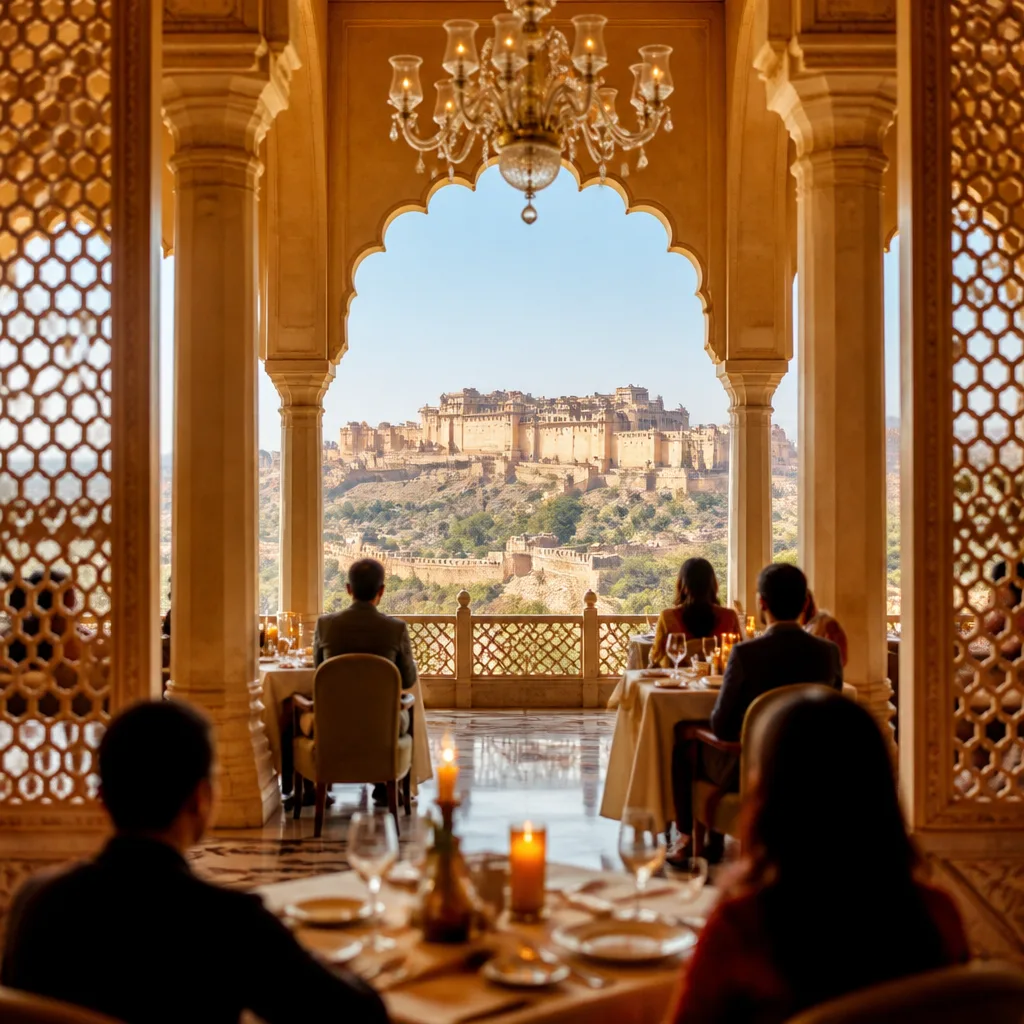
Rather than leaving historic properties to decay, owners and preservationists have opted for sensitive restoration that retains core architectural elements while adding contemporary comforts. The result is a growing list of venues where the ambience — carved stonework, jaalis, marble halls and period chandeliers — is integral to the dining experience.
Notable examples include:
- Darikhana, located within a restored 18th-century haveli in Jodhpur, which overlooks Mehrangarh Fort and showcases colonnaded verandahs and stone jaalis alongside minimalist interior touches.
- Baradari at City Palace, Jaipur, a project that repurposed an historic palace café into a refined dining destination while preserving traditional Rajasthani architecture.
- Adaa at the Taj Falaknuma Palace, Hyderabad, housed in a 19th-century palace once occupied by the Nizam’s household, notable for Venetian chandeliers, Italian marble and elaborate stained glass.
- Lakhori in Delhi, set inside the restored Haveli Dharampura in Old Delhi, where original courtyards, carved jharokhas and lime-plastered walls have been conserved.
Conservation with commercial viability
Heritage-led hospitality projects are a form of adaptive reuse that can provide long-term financial models for maintenance of historic fabric. By inviting public access through dining and events, such projects often make restoration economically viable while encouraging local tourism and crafts revival.
Careful restoration is central: stonework, frescoes, timber elements and traditional brickwork require specialised skills and materials. Where these have been preserved, the authenticity of the site enhances the visitor experience and supports continued investment.
| Restaurant | Location | Historic context |
|---|---|---|
| Darikhana | Jodhpur | 18th-century sandstone haveli overlooking Mehrangarh Fort |
| Baradari | Jaipur | Within the City Palace complex; palace café converted to fine dining |
| Adaa | Hyderabad | Located in the 19th-century Falaknuma Palace of the Nizam |
| Lakhori | Delhi | Restored 19th-century Haveli Dharampura in Old Delhi |
What diners can expect
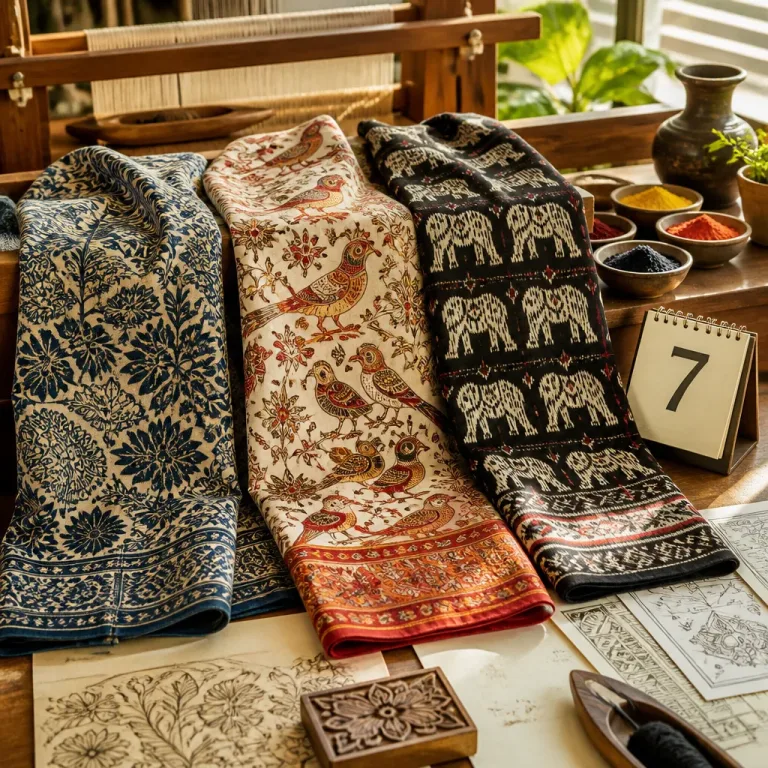
These venues typically blend period architecture with contemporary service standards. Menus range from regional specialities that complement the site’s lineage to curated fine-dining offerings. Many properties also use restoration as an opportunity to showcase local crafts, from textiles to woodwork, giving a platform to traditional artisans.
- Experience: Dining in restored courtyards, pillared halls or terraces with historic views.
- Ambience: Original architectural elements such as jaalis, jharokhas and marble floors retained.
- Conservation impact: Income from hospitality supports ongoing maintenance and local employment.
As more historic structures find new life as restaurants, the model presents both opportunities and responsibilities: ensuring authenticity, engaging skilled conservators and balancing public access with long-term preservation. For travellers and residents alike, these heritage restaurants offer a way to savour not only cuisine but also the layers of history embodied in India’s built environment.
Ryan Thomas is Lifestyle Editor. Reporting from New Delhi.