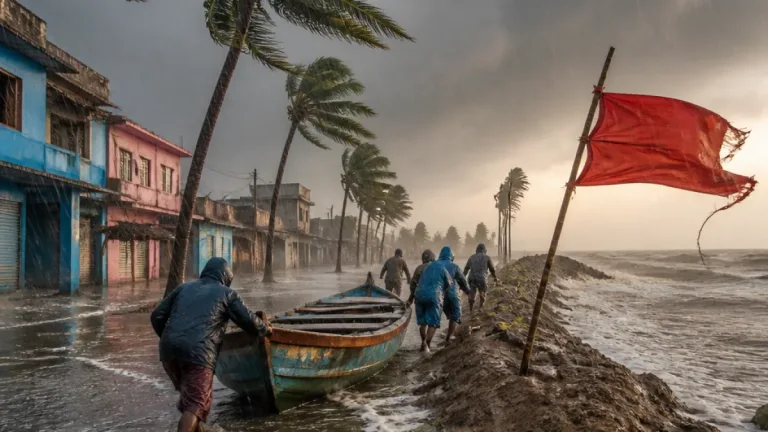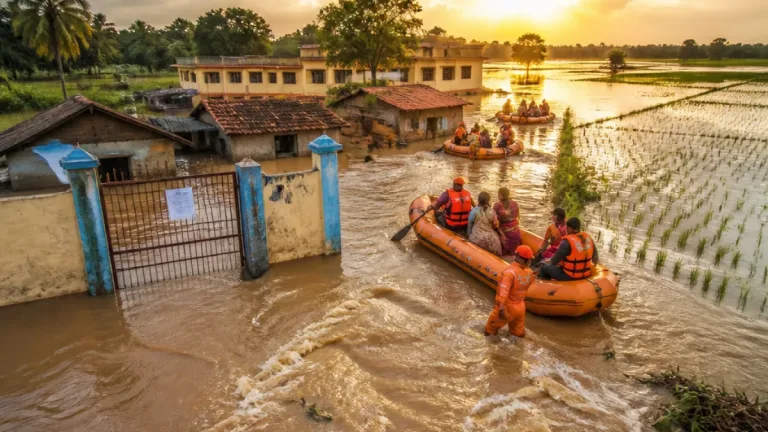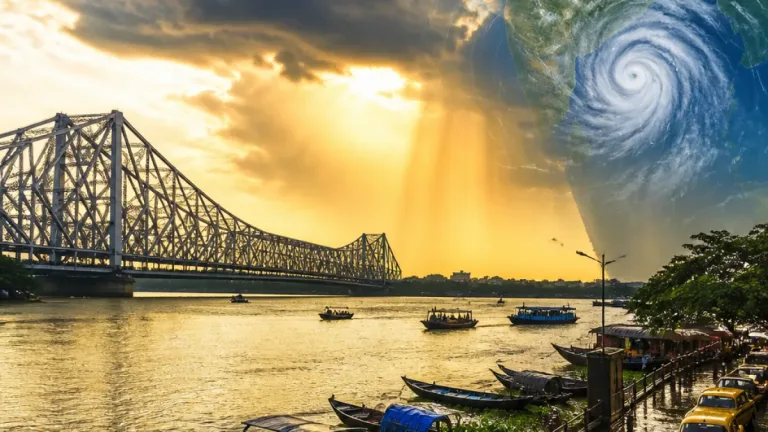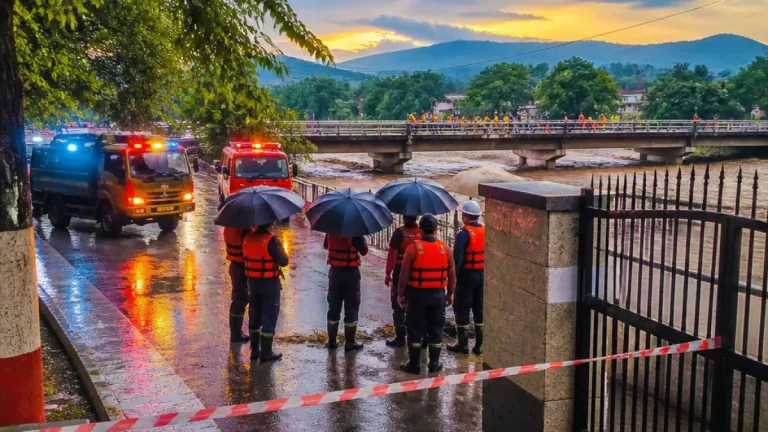
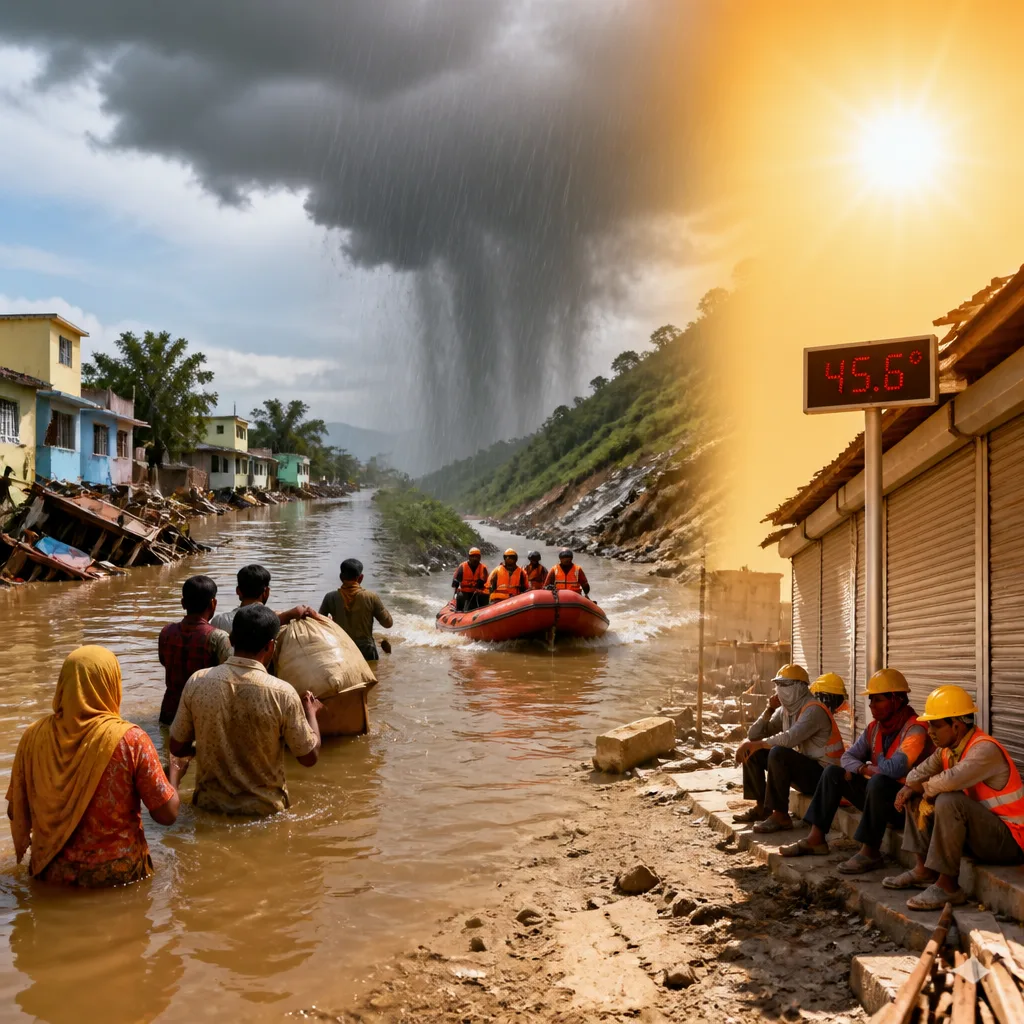
India's workforce is being increasingly affected by simultaneous extreme weather events this monsoon, with flooding, cloudbursts and severe heatwaves constraining work, displacing communities and disrupting incomes, according to official and report findings.
Convergence of hazards across regions
Meteorological and disaster data cited in recent reporting show that different parts of the country have faced distinct but overlapping hazards. The Northeast endured flash floods, western India recorded cloudbursts and intense rainfall, while parts of northwestern India experienced severe heat conditions with temperatures breaching 45°C in areas of Rajasthan, Punjab, Haryana and Delhi.
The Assam State Disaster Management Authority (ASDMA) reported that nearly 48,500 people were affected by floods across four districts in early July. Meanwhile, the State of India’s Environment 2026 report, released by Down To Earth, highlighted Andhra Pradesh as among the worst affected states in 2025, noting that nearly 1.16 lakh people were internally displaced in the state during that year due to cyclones and severe storm events.
Longer, repeated exposure to extremes
The Down To Earth report recorded that Andhra Pradesh experienced extreme-weather impacts on 58 days between October and December 2025, the second-highest in the country after Himachal Pradesh which recorded 62 days during the same period. Such repeated episodes are presented as evidence that extremes are becoming more frequent rather than isolated incidents.
“We tend to talk about climate change in terms of glaciers and carbon emissions,”
The reporting frames the current pattern as a broader crisis that affects livelihoods directly. For India’s roughly 500 million-strong workforce, many of whom are engaged in outdoor occupations such as agriculture, construction, delivery services, street vending, fishing and transport, extreme weather events translate into immediate occupational hazards and income loss.
- Agriculture and outdoor labour: Floods and cloudbursts submerge fields and make outdoor work unsafe or impossible.
- Heat stress: Temperatures above 45°C reduce labour capacity and increase health risks for outdoor workers.
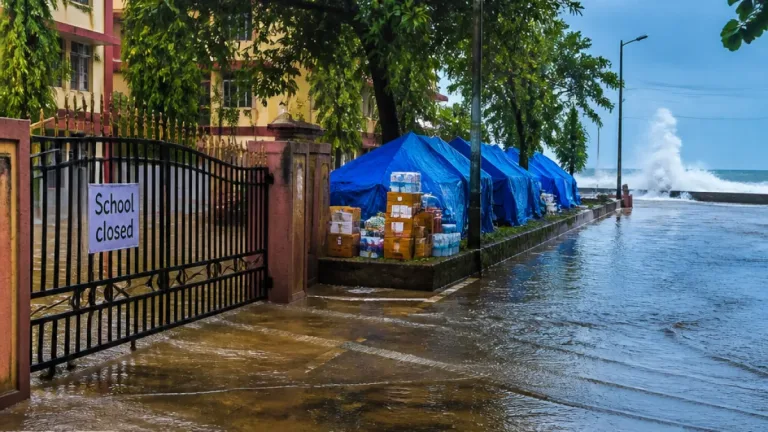
- Displacement: Cyclones and storms force temporary relocation, disrupting continuity of employment and access to markets.
Economic and social consequences
The immediate consequence of extreme events is lost wages when workers are unable to reach workplaces or when worksites are flooded or damaged. Longer-term impacts include asset loss, increased indebtedness and migration pressure. The reporting warns that what were earlier considered episodic shocks are now frequent enough to erode household resilience and labour availability in some sectors.
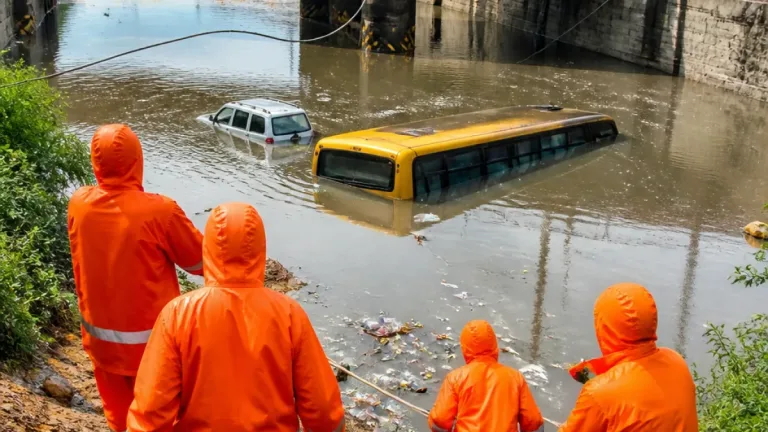
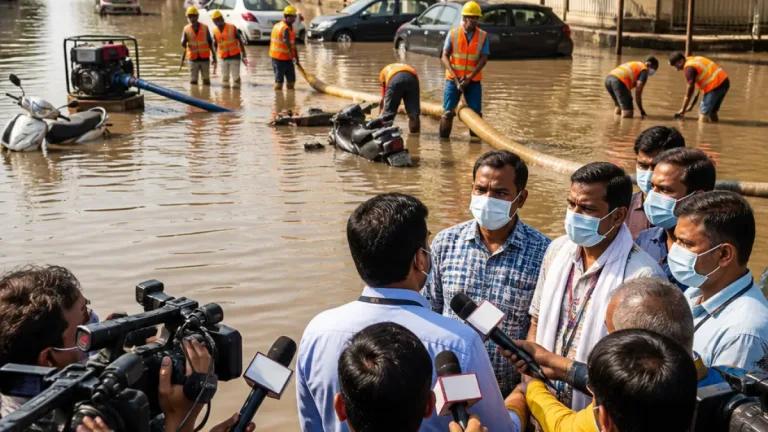
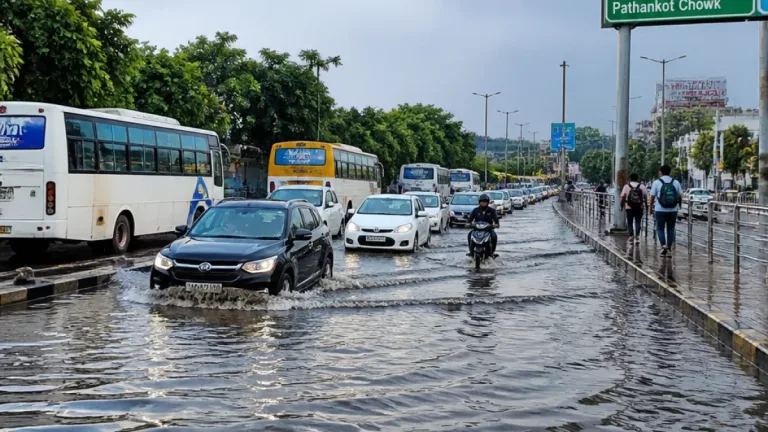
Urban centres have not been immune. Heavy rains in Mumbai earlier this season caused widespread waterlogging, transport disruption and incidents of structural damage, demonstrating how intense precipitation can affect both formal and informal economic activity in cities.
Data snapshot
| Indicator | Figure | Source |
|---|---|---|
| People affected by Assam floods (early July) | 48,500 | ASDMA |
| Internally displaced in Andhra Pradesh (2025) | 1.16 lakh | State of India's Environment 2026 |
| Days with extreme-weather impacts (Oct–Dec 2025) | 58 (Andhra Pradesh); 62 (Himachal Pradesh) | State of India's Environment 2026 |
Policy analysts and meteorologists quoted in the reporting underscore that simultaneous occurrences of floods, cloudbursts and heatwaves in different regions amount to a worrying pattern. They argue that adaptation and disaster-preparedness measures must account for compound events that strain emergency response and social safety nets.
For the workforce, the immediate priority is reducing exposure and ensuring income continuity. Measures such as heat action plans, early warning systems for floods and cloudbursts, and targeted relief for displaced households are among the responses highlighted. The reporting indicates that without scaling such interventions, extreme weather will increasingly undermine livelihoods and economic productivity.
As the monsoon progresses, authorities and employers are being urged to factor extreme-weather risks into planning for labour safety, supply chains and essential services to mitigate further disruption to the country’s workers and vulnerable communities.