Bangladesh has formally requested India's cooperation in preventing former prime minister Sheikh Hasina and members associated with the Awami League (AL) from using Indian territory to deliver political statements or conduct activities that Dhaka says could undermine stability, a Bangladesh foreign ministry statement said.
Request made during diplomatic meeting
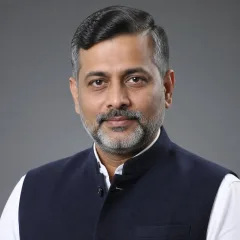
The appeal was conveyed by Prime Minister’s Adviser on Foreign Affairs Humaiun Kobir when Indian High Commissioner to Bangladesh Dinesh Trivedi paid a courtesy call on him at the Prime Minister’s Office, according to the statement released on Monday.
Humaiun referred to social media reports suggesting that Hasina might make a public statement on 5 August, and told the envoy that such an appearance could harm the "positive progress" in bilateral relations, the ministry said. The statement said Bangladesh urged India to ensure that no one linked to the AL uses Indian soil for political campaigning or to foment unrest.
The Indian High Commissioner, the statement added, "assured that the matter would be given due consideration" and that New Delhi would make necessary enquiries and follow the issue closely.
Context: Hasina’s stay in India and scheduled appearance
The meeting took place ahead of a publicised event in New Delhi where Hasina, who left Bangladesh after her government was removed in a student-led uprising two years ago, is reported to appear virtually before journalists on August 5. India Today reported that the event is being hosted by the Foreign Correspondents’ Club of South Asia (FCC South Asia), where she is expected to speak on her plans and possible return to Bangladesh.
"They emphasised the importance of maintaining regular dialogue and constructive engagement," the foreign ministry statement said, summarising the meeting as also reviewing various aspects of Bangladesh-India relations and issues of mutual interest.
Implications for bilateral ties
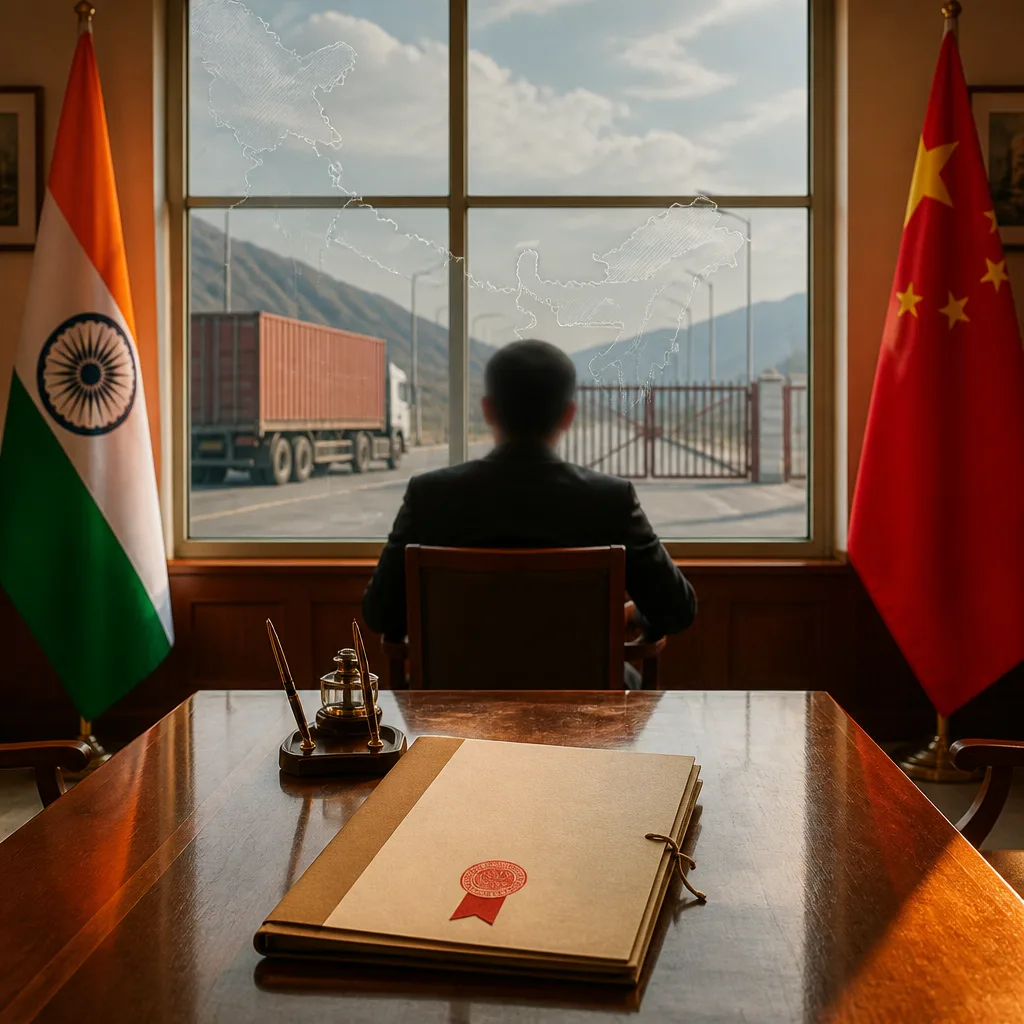
The request comes amid strained ties since Hasina sought refuge in India. While Dhaka and New Delhi have shown signs of rapprochement following the formation of a new BNP-led government in February, key disputes remain unresolved. The foreign ministry noted that trade restrictions persist on both sides and important bilateral matters, including water-sharing agreements, have seen limited progress.
Diplomatic interactions of this kind could influence the pace of engagement on those pending issues. Any decision by India to limit political activity on its soil would require balancing bilateral goodwill, domestic legal and political considerations, and international norms on hosting foreign nationals.
- Date of potential statement: 5 August (reported)
- Participants: Humaiun Kobir; Indian High Commissioner Dinesh Trivedi
- Venue of reported event: FCC South Asia-hosted gathering in New Delhi (reportedly)
| Issue | Status (as per statement/report) |
|---|---|
| Political activity by AL leaders on Indian soil | Dhaka has requested India to prevent it |
| High Commissioner response | Assured due consideration and enquiries |
| Bilateral matters | Trade restrictions ongoing; water-sharing unresolved |
The diplomatic exchange, recounted in the ministry's release and amplified by media reports, underscores the sensitivity of hosting exiled political figures and the potential ripple effects on neighbourhood relations. New Delhi's response, beyond the assurance to look into the matter, has not been detailed publicly beyond a brief Facebook post from the Indian High Commission in Dhaka saying the discussion focused on expanded bilateral engagement.
How New Delhi addresses Dhaka's concerns will be watched closely by observers of South Asian diplomacy, given its potential to affect cooperation on trade, water, and other cross-border issues that have already seen limited movement since February's change of government in Bangladesh.
Reporting for this item is based on a Bangladesh foreign ministry statement and media reports.