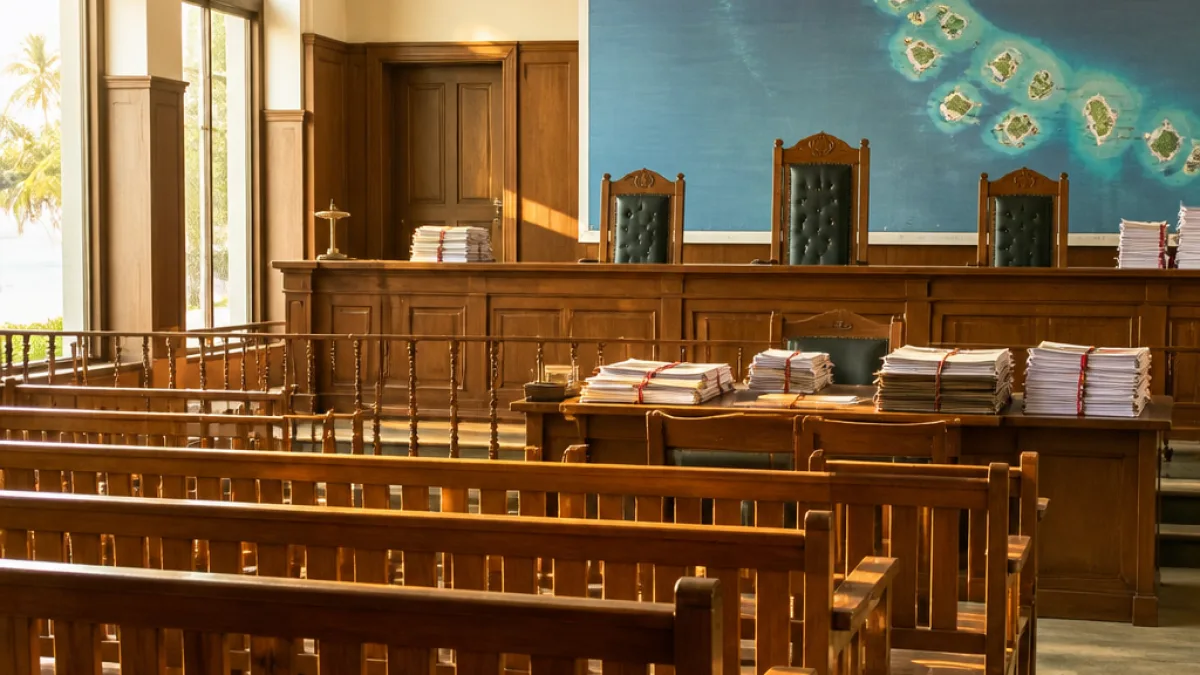
The Kerala High Court on Wednesday, August 5, orally asked why a full‑time Administrator has not been appointed for the Union Territory of Lakshadweep while hearing a public interest litigation that alleged maladministration and arbitrary actions by officials administering the islands.
Court questions ad‑hoc arrangement
The Division Bench, comprising Chief Justice Soumen Sen and Justice Syam Kumar V.M., queried the rationale for entrusting the responsibilities to an officer holding additional charge rather than a dedicated Administrator. The bench pointed to Lakshadweep's strategic location and the multiplicity of administrative issues demanding sustained attention.
“Why this adhoc administrator? Why can't you have a proper administrator, who can take all decisions?... Can you not have a proper administrator appointed for Lakshadweep? Because it is so strategically located and there are so many issues.”
The Additional Solicitor General of India, P. Sreekumar, appearing for the Centre, submitted that there are no statutory rules requiring the appointment of a full‑time Administrator and that the President has the constitutional prerogative to appoint an Administrator or assign additional charges.
Affidavits ordered on allegations of maladministration
While the court noted the President's discretion in entrusting additional charge could not be directly challenged by way of a writ petition, it said the other allegations concerning the conduct and functioning of the Administrator warranted examination. The Bench directed the respondents to file affidavits within two weeks addressing those claims.
Respondents named by the court include the Advisor to the Administrator of Lakshadweep, the Union Territory administrations represented through the Home Secretary for Dadra and Nagar Haveli & Daman and Diu, and the Home Secretary for Lakshadweep. The matter is listed for further consideration on August 19.
Petition highlights key grievances
The PIL draws attention to a range of grievances which, according to the petition, indicate visible maladministration and arbitrary action by officers responsible for running the UT. Major issues flagged in the petition include:
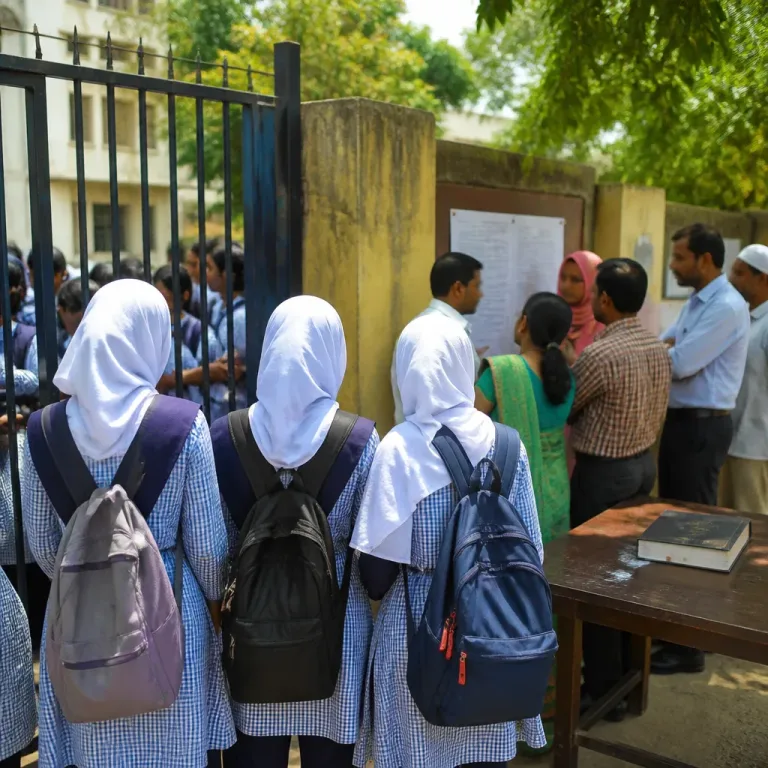
- Alleged demolition of educational infrastructure and the resulting consolidation of students into a single overcrowded school.
- Claims of large‑scale unemployment affecting island residents.
- Public health concerns arising from administrative decisions.
- An asserted arbitrary ban on construction and related restrictions impacting livelihoods and infrastructure.
The court specifically remarked that the schooling situation required consideration, indicating concern for children's access to adequate educational facilities on the islands.
What the court asked and what follows
The Bench observed that, while the appointment process of an Administrator falls within the domain of the President, the factual allegations about administrative conduct must be tested. The order for affidavits aims to obtain official responses on the points raised so the court can assess whether the actions complained of amount to maladministration warranting further relief.
| Item | Detail |
|---|---|
| Court | Kerala High Court (Division Bench) |
| Date of hearing | August 5 |
| Next listing | August 19 |
| Respondents directed to file affidavits | Advisor to Administrator (Lakshadweep); Home Secretary (Dadra & Nagar Haveli & Daman and Diu); Home Secretary (Lakshadweep) |
Local implications
The court's focus on a permanent administrative head comes amid concerns that temporary arrangements may impede long‑term planning and delivery of essential services on the islands. Education, employment and public health are core services that require continuous oversight—issues highlighted in the petition and picked up by the Bench during the hearing.
The order for affidavits will compel the administration to place on record its position on the demolition of educational facilities, employment generation measures, health‑care provisioning and the rationale for restrictions such as the construction ban. The next hearing will determine whether the court needs to issue further directions after examining the official responses.
The case underscores judicial scrutiny of administrative decisions affecting Lakshadweep and raises broader questions about governance arrangements for strategically located Union Territories administered directly by the Centre.