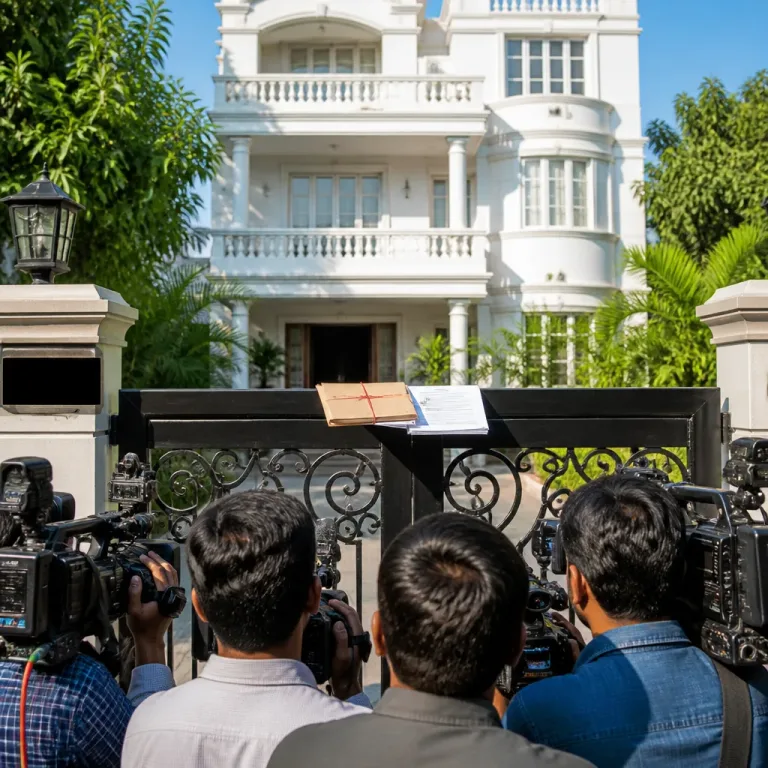
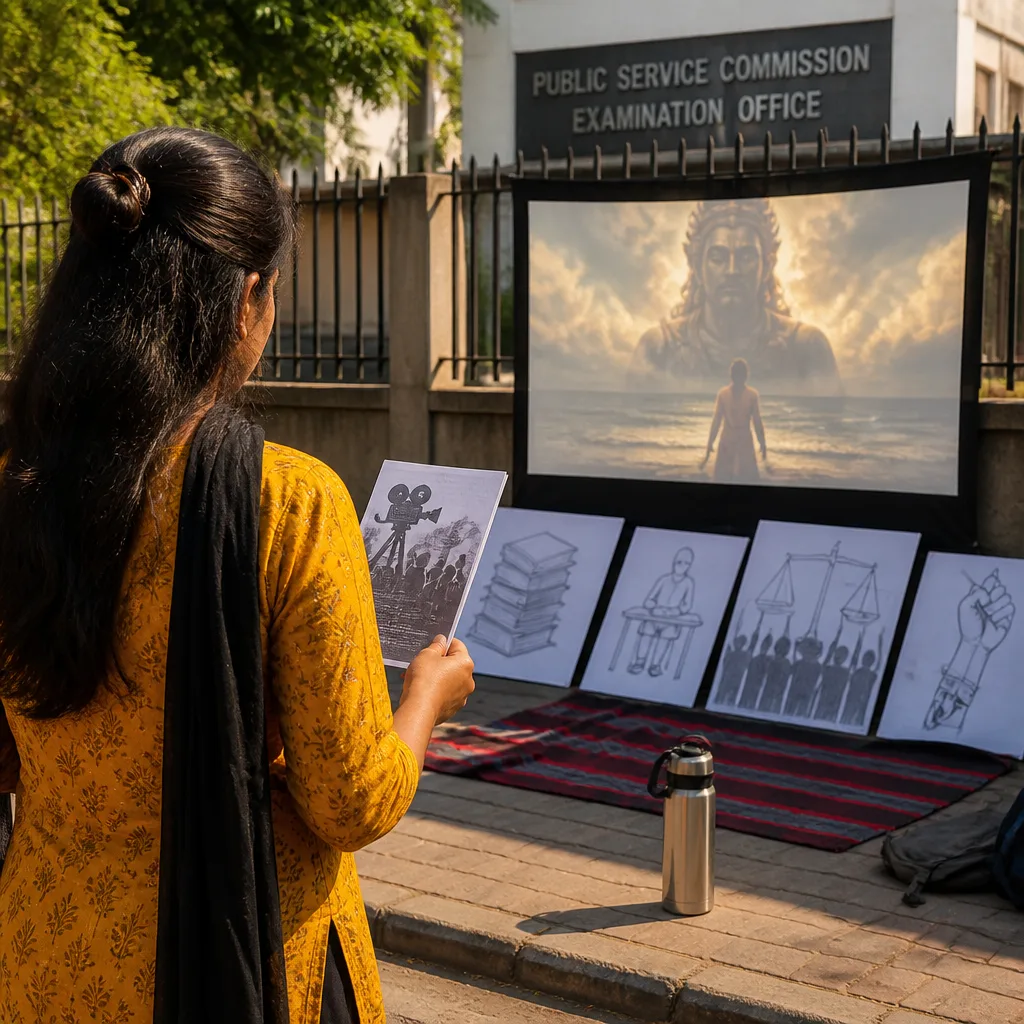
Gitanjali Angmo, wife of activist Sonam Wangchuk, has commended Christopher Nolan’s film The Odyssey and used the opportunity to urge Hindi cinema to reconnect with larger social and educational themes. Her comments come amid renewed national attention on Wangchuk’s recent hunger strike demanding reforms related to examinations and accountability.
Call for cinema to be more than entertainment
Angmo, described in reports as a social entrepreneur, wrote that watching The Odyssey on the big screen was a “surreal” experience. She drew parallels between the film’s classical themes and motifs widely recognised in Indian storytelling – including the hero’s journey, duty, exile and homecoming – and argued that India has a rich reservoir of epic material that could be adapted with both scale and intellectual rigour.
She proposed that cinema ought to function as a formative influence, beyond mere diversion, and suggested that Bollywood needs to rediscover its role as one of our most powerful classrooms. Angmo’s comments have been reported widely and may be read as a subtle critique of mainstream Hindi film’s contemporary priorities.
Context: Wangchuk’s protest and earlier controversy involving Aamir Khan
The remarks arrive in the backdrop of Wangchuk’s hunger strike at Delhi’s Jantar Mantar, where he sought the resignation of the Union Education Minister and called for reforms and accountability following the NEET paper leak. The protest drew public attention and prompted discussion about the roles public figures should play in civic movements.
Earlier, actor Aamir Khan attracted online criticism for his perceived lack of support for Wangchuk. During an interaction at the British Film Institute, Aamir addressed reports linking Wangchuk’s life to the film 3 Idiots, saying he did not know Wangchuk when the film was made.
“No, that’s not true, actually. That is a misconception. I didn’t know about Mr Sonam Wangchuk at that time when we were doing the film. I know that, I”
Reports noted that the remark came while Aamir was addressing questions about whether 3 Idiots drew on Wangchuk’s life. The exchange has been referenced in coverage of public reactions to Wangchuk’s protest.
- Gitanjali Angmo praised The Odyssey and urged Bollywood to engage more deeply with epic and educational themes.
- Sonam Wangchuk has been conducting a hunger strike demanding education-sector reforms and accountability after the NEET paper leak.
- Aamir Khan denied knowing Wangchuk during the making of 3 Idiots, a statement that previously prompted social media debate.
Possible implications for film discourse
Angmo’s remarks contribute to an ongoing conversation about cinema’s influence in India. By invoking epic themes and the notion of cinema as a classroom, she has framed the debate in moral and pedagogic terms. The line of argument highlights two intersecting questions for the industry: whether filmmakers should engage more directly with social issues, and how mainstream cinema balances entertainment with didactic or reformist impulses.
The exchange involving Aamir Khan illustrates how public perceptions of celebrity engagement with social causes can shape media narratives. Coverage of Wangchuk’s protest and the NEET controversy has repeatedly focused on expectations from high-profile artists — both for endorsement and for contextual clarification of past works.
| Person | Comment / Context | Reported timing |
|---|---|---|
| Gitanjali Angmo | Praised The Odyssey; urged Bollywood to reclaim an educational role | August 2026 (reported) |
| Aamir Khan | Denied knowing Sonam Wangchuk during filming of 3 Idiots | Interaction at the British Film Institute (reported) |
As debate continues over the NEET leak and demands for systemic change, remarks from cultural figures and those close to activists are likely to feed broader public conversations about the responsibilities of artists and the narratives Indian cinema chooses to foreground.
Coverage of the episode underlines the interplay between cinema, civic life and public expectation — and may prompt renewed discussion within film circles about creative choices and social accountability.