Heavy rains, evacuations and multi-agency response
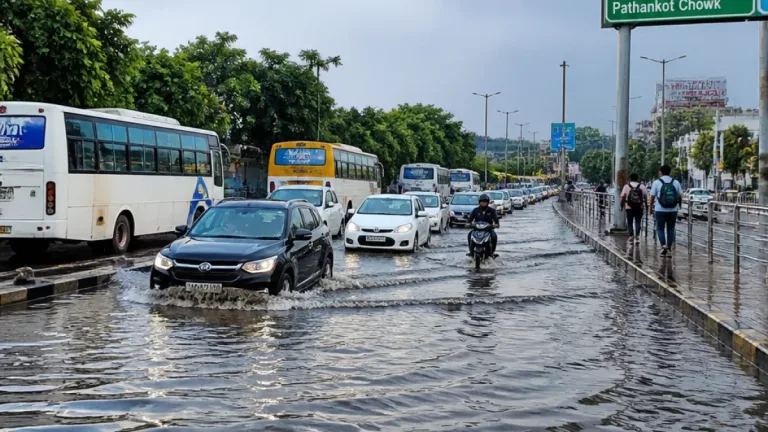
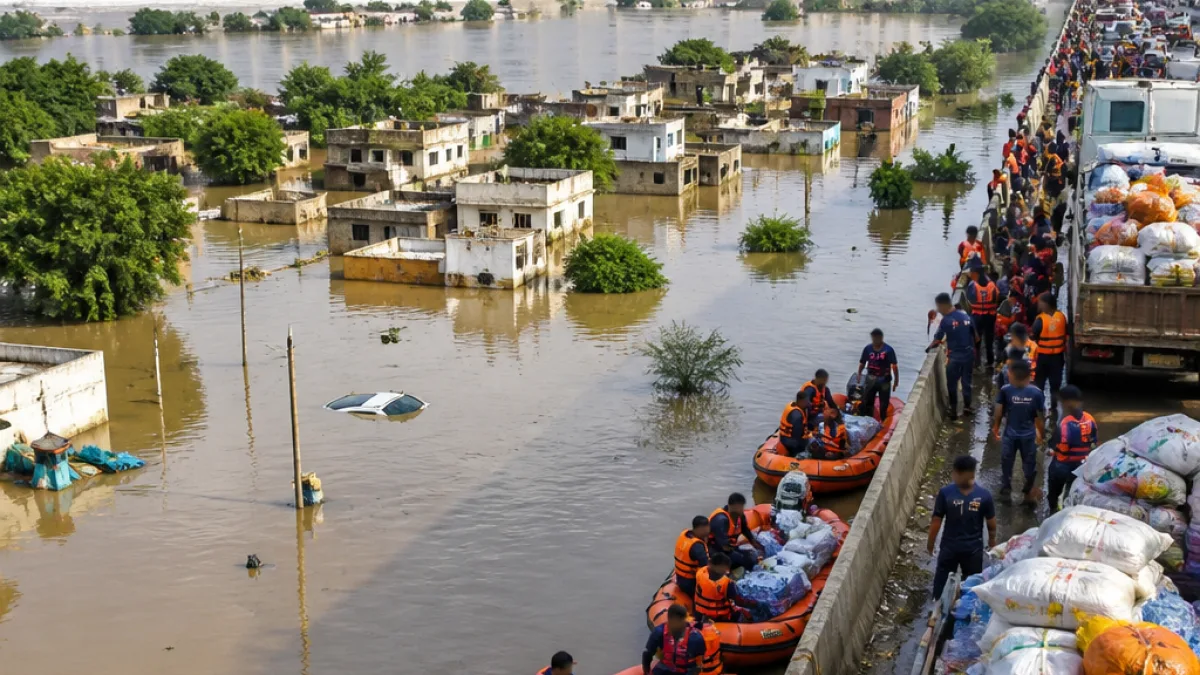
Heavy rainfall on Saturday lashed several districts of south and central Gujarat, creating flood-like conditions that forced authorities to relocate around 27,856 people and carry out rescue operations in affected areas, officials said. The downpour prompted deployment of National Disaster Response Force (NDRF), State Disaster Response Force (SDRF) and Army columns to support relief operations and evacuations.
The State Emergency Operation Centre (SEOC) reported widespread heavy to extremely heavy rainfall in districts including Surat, Navsari, Bharuch, Tapi, Kheda and Anand, with isolated pockets receiving very large totals in a short span.
Rainfall hotspots and operational response
Ambika taluka in Surat district registered one of the highest 24-hour totals, receiving up to 611 mm of rain in the 24 hours ended 6 am on Saturday, according to SEOC figures. Several other areas recorded more than 400 mm during the same period.
| District / Area | Reported rainfall (24 hrs) |
|---|---|
| Ambika taluka, Surat | 611 mm |
| Surat district (total relocated) | 11,176 people |
| Navsari district (total relocated) | 11,500 people |
| Morbi | 211 mm (from 6 am to 4 pm) |
Evacuations, rescues and forces deployed
Authorities said a total of 27,856 people were shifted from low-lying and vulnerable areas. The two worst-affected districts in terms of relocation numbers were Navsari (11,500 people) and Surat (11,176 people).
- NDRF: 17 teams deployed to support search, rescue and relief operations.
- SDRF: 33 teams mobilised across affected districts.
- Army: Six columns deployed — two each in Ahmedabad, Surat and Navsari.
Two NDRF teams were kept ready in Vadodara, while one NDRF team each was stationed in Ahmedabad, Amreli, Anand, Navsari and Valsad to respond rapidly where needed, officials said.
Dams, rivers and cut-off areas
Heavy inflows caused several dams to overflow and led to flooding in catchment areas. Several villages were reported to be cut off, with rivers in spate and road connectivity impaired in parts of the affected districts. Local administrations have placed vulnerable villages on high alert and are monitoring dam discharge schedules to manage downstream inundation risk.
Warnings and preparedness
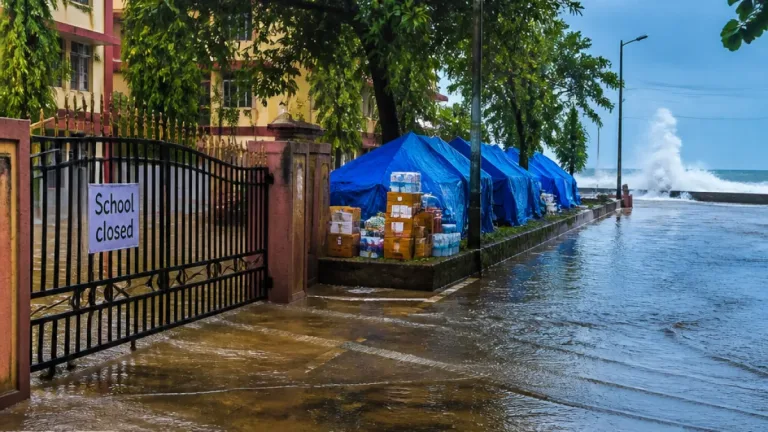
The India Meteorological Department (IMD) issued a red alert for isolated extremely heavy rainfall until Sunday morning for several districts, including Ahmedabad, Surendranagar, Rajkot, Bhavnagar, Morbi and Botad. Orange and yellow alerts accompanied warnings for neighbouring districts, prompting pre-emptive measures such as shutting schools and colleges in vulnerable areas.
State authorities had readied resources in advance, anticipating the spell. Evacuation centres and temporary relief camps were set up to accommodate displaced families. Local administrations continue to coordinate with SEOC, NDRF and Army units to undertake relief distribution and medical assistance.
Local impact and next steps
Beyond imminent rescue operations, officials will need to assess damage to roads, bridges and agricultural land once waters recede. Flooding in catchment areas and overflow of dams could affect crop standing in several talukas, while prolonged inundation may disrupt power and communications in isolated pockets.
Authorities have urged residents in low-lying zones to follow official instructions and avoid non-essential travel until alerts are lifted. The IMD and SEOC will continue to monitor the evolving weather system and issue updates on rainfall intensity and river behaviour.
“Authorities had prepared in advance by deploying NDRF, SDRF and Army personnel and shutting down schools and colleges,” officials reported.
Relief agencies and district administrations remain on alert for further evacuations and relief needs as the monsoon system advances across the state.