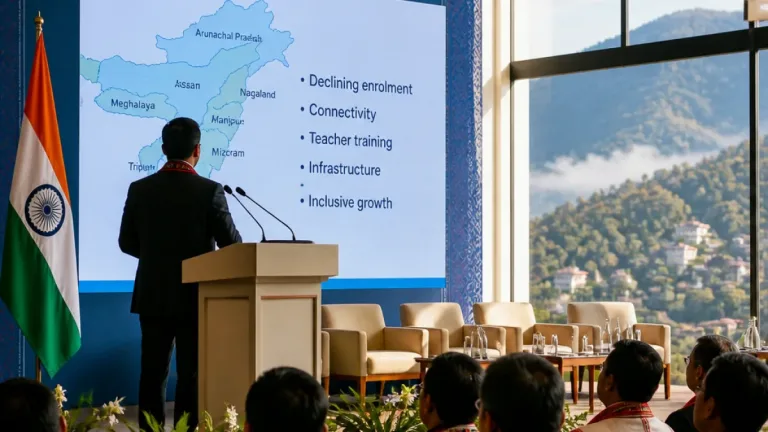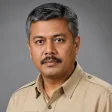
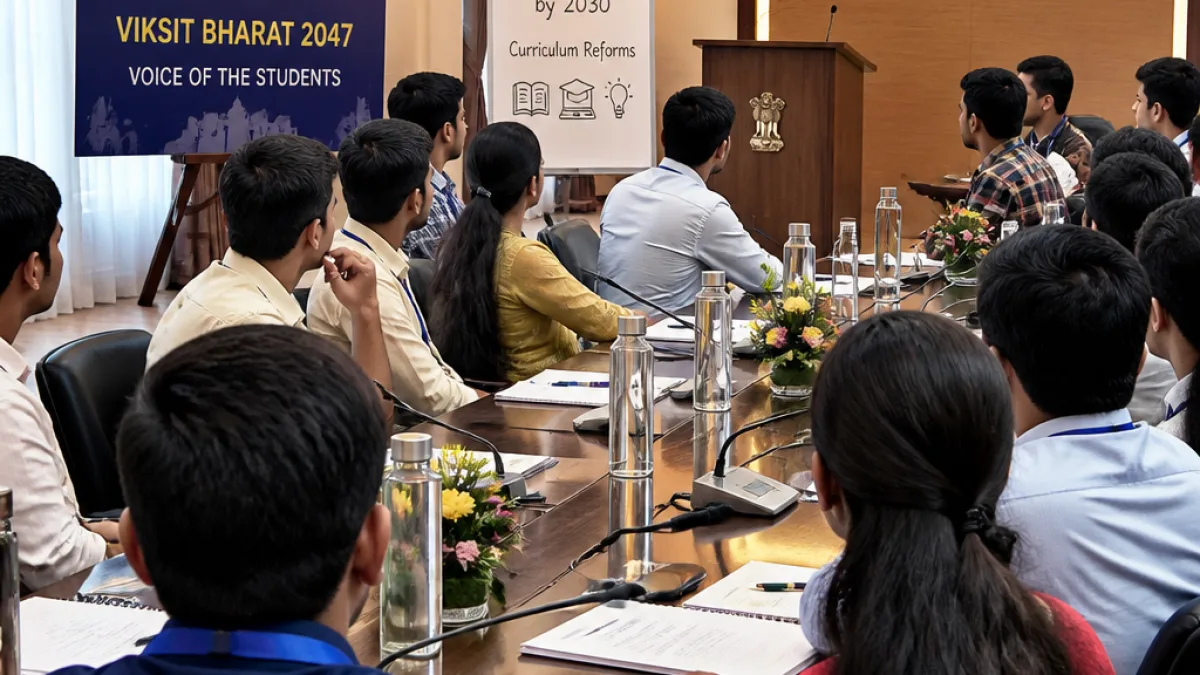
Agartala, August 05: In an unprecedented outreach by the state government, the Higher Education Department convened a Higher Education Dialogue at the State Guest House, Sonartori on Wednesday, where Higher Education Minister Kishore Barman met student representatives from colleges across Tripura to discuss challenges and reforms in the higher education sector.
Students to inform future policy
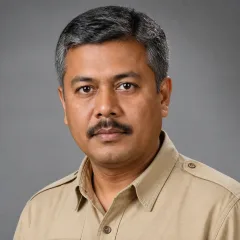
Director of Higher Education Animesh Debbarma was present at the programme, which the department described as a move away from the traditional top-down model of decision-making. Addressing the gathering, Minister Barman said the event marked a historic milestone for higher education in the state and signalled a change in approach: the government intended to listen to students rather than only issuing directives.
“Today, the students will speak and the government will listen.”
The Minister emphasised that colleges should not remain mere degree-awarding centres but ought to become centres of nation-building, innovation and skill development. He said the government remained committed to creating a positive academic environment and to fostering collaborative decision-making involving all stakeholders, likening the process to family discussions.
Ambitious targets and areas of focus
Barman linked the reform agenda to the broader national vision of ‘Viksit Bharat 2047’, stating that modernisation and strengthening of colleges across Tripura were critical. He set an ambitious target of increasing participation and enrolment in higher education by 50 percent by 2030, a goal that would require expansion of access, enhancement of quality and greater employment linkage in course offerings.
Student representatives were invited to outline the principal challenges facing colleges and to propose practical measures. The dialogue solicited views on a range of subjects, including:
- the three major challenges currently confronting colleges;
- measures to improve the quality of higher education;
- expansion of employment-oriented and job-linked courses;
- development of model colleges;
- strategies to advance higher education in Tripura over the next five years; and
- promotion of patriotism and national consciousness within campuses.
Programme structure and immediate implications
The event was designed as an open forum where students could voice concerns and suggestions directly to decision-makers. While the department did not announce specific policy changes at the conclusion of the dialogue, the meeting establishes a consultative mechanism that could influence curriculum reform, course design and college infrastructure planning.
Officials highlighted that the focus on employment-linked courses and the creation of model institutions could help align higher education outputs with local and national labour-market needs. The emphasis on collaborative decision-making suggests future policy documents and initiatives will incorporate student feedback gathered through this and similar exercises.
| Agenda Item | Purpose |
|---|---|
| Challenges in colleges | Identify pressing operational and academic issues |
| Quality improvement | Gather proposals for teaching, evaluation and resources |
| Employment-oriented courses | Discuss expansion of job-linked programmes |
| Model colleges | Plan pilot institutions to demonstrate best practices |
How the department translates suggestions from students into concrete policy measures will be watched closely by college administrators, faculty and students in Agartala and the wider state. The target to expand participation by 50 percent by 2030, if pursued through new courses, infrastructure investment and outreach, could have significant implications for enrolment patterns and resource allocation across Tripura's higher education institutions.
Officials framed the dialogue as the first step in an ongoing consultative process. The emphasis on student participation and employment orientation reflects broader trends in higher education policy nationally but places a particular onus on the state government to outline implementation timelines, funding provisions and monitoring mechanisms in subsequent policy announcements.
For now, the meeting at Sonartori sets a tone of engagement and responsiveness that state authorities say will inform future initiatives in Tripura's higher education sector.