IMPHAL — The Manipur government has moved to bolster food security and transparent distribution by implementing the National Food Security Act (NFSA) across the State, the Department of Consumer Affairs, Food and Public Distribution said on Friday.
ePOS devices installed at all Fair Price Shops
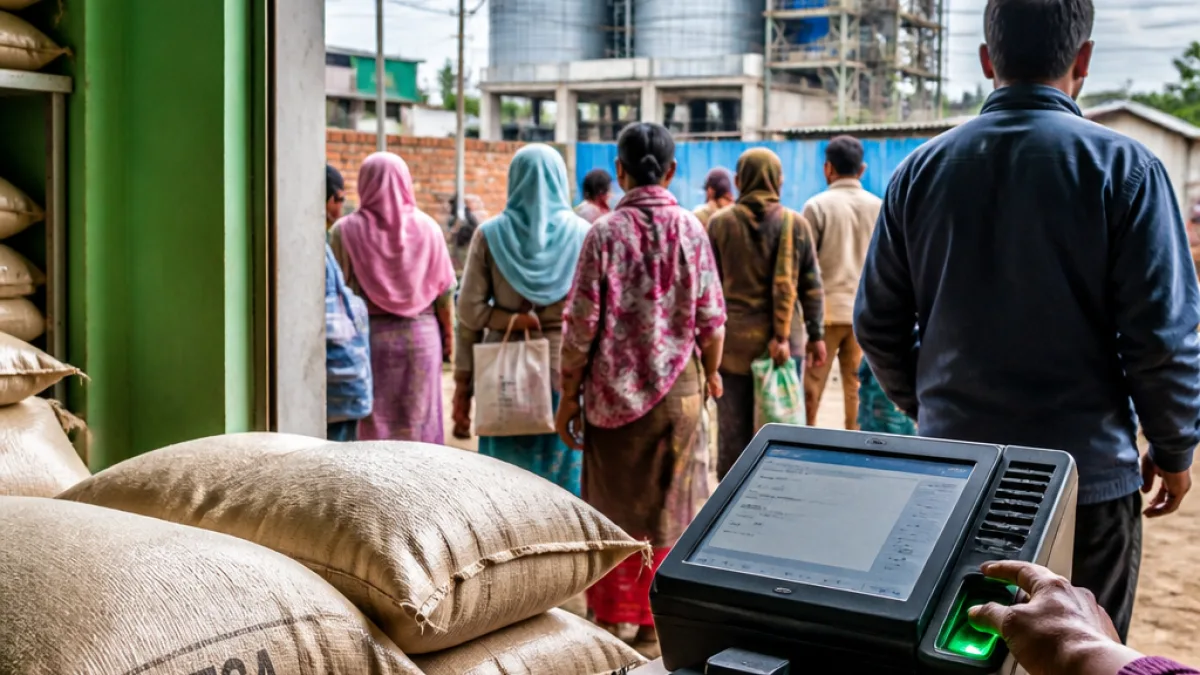
At a press briefing in Imphal, the Department’s Director said that every one of the State’s 2,532 Fair Price Shops (FPS) has been equipped with electronic Point of Sale (ePOS) machines. The devices will enable biometric authentication of beneficiaries and facilitate real-time monitoring of foodgrain distribution, the Director said.
The Department described the rollout as a step to ensure a more transparent, efficient and accountable mechanism for delivery of subsidised grains to those entitled under the NFSA. The installation of ePOS systems aims to reduce pilferage, prevent bogus transactions and provide an auditable trail of grain lifting and distribution.
Decentralised procurement and local rice processing
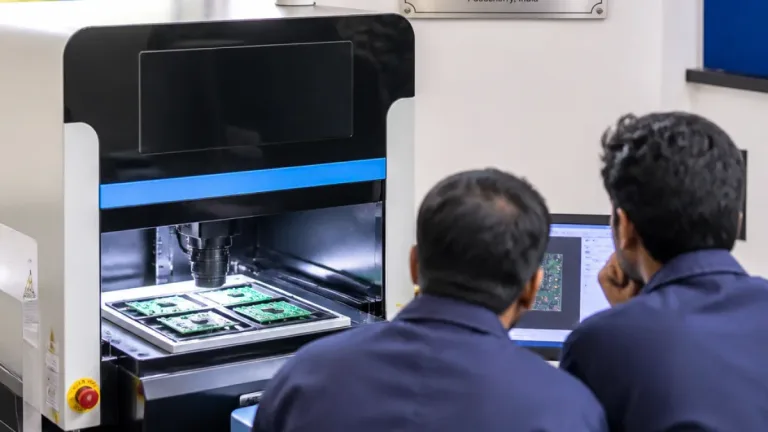
Officials also highlighted progress on enhancing local procurement and processing. A four-metric-tonne-per-hour rice mill, developed under the State Agricultural and Food Processing project (SASCI Project), is reported to be nearing completion. The Department said the facility is intended to strengthen decentralised paddy procurement, deliver better returns to farmers and reduce dependence on rice sourced from outside Manipur.
While no commissioning date was announced, authorities signalled that the mill would be a key component in the State’s strategy to create a shorter value chain between growers and consumers, and to retain greater value within local agricultural communities.
Price monitoring and consumer protection
The Director added that the State Level Price Monitoring Committee is regularly observing the retail prices of eighteen essential commodities to curb price volatility and protect consumer interests. The committee’s oversight covers staples and other essential items supplied through public distribution networks and the open market.
According to the Department, these measures form part of a wider commitment to strengthen food security, improve consumer protection and deliver public services more effectively through the greater use of technology.
- 2,532 Fair Price Shops equipped with ePOS machines
- 4 metric tonnes per hour capacity rice mill nearing completion under SASCI
- 18 essential commodities monitored by the State Level Price Monitoring Committee
Practical implications for beneficiaries and farmers
The biometric-enabled ePOS rollout is likely to standardise beneficiary authentication across the State and may reduce waiting times and disputes at FPS counters. For farmers, the forthcoming rice mill could provide more proximate processing capacity and potentially improve farmgate realisations if decentralised procurement arrangements are implemented as envisaged.
However, the Department did not give a timeline for the rice mill’s commercial operation nor detailed schedules for integrating the mill with procurement plans. It also did not specify whether there will be an expansion in the number of beneficiaries or changes to entitlements under the NFSA in Manipur.
Monitoring and next steps
The Department said that real-time data from ePOS terminals will be used to monitor distribution patterns and address bottlenecks. It indicated continued surveillance of prices by the State Level Price Monitoring Committee and reiterated a commitment to using technology to improve accountability.
| Item | Reported Figure |
|---|---|
| Fair Price Shops with ePOS | 2,532 |
| Rice mill capacity (SASCI) | 4 metric tonnes/hour |
| Essential commodities monitored | 18 |
The Department’s comments indicate a policy focus on both technological interventions at the point of distribution and infrastructure development at the processing end. Officials said these steps are designed to ensure that subsidised foodgrains reach entitled households reliably while supporting local agriculture through better procurement and processing facilities.
Further details on the operationalisation of the rice mill, procurement modalities and timelines for full utilisation of ePOS data were not provided at the briefing and will require follow-up from the Department and implementing agencies.
Reporting from Imphal.