Centre convenes CMs, technical panels to push Mahanadi talks
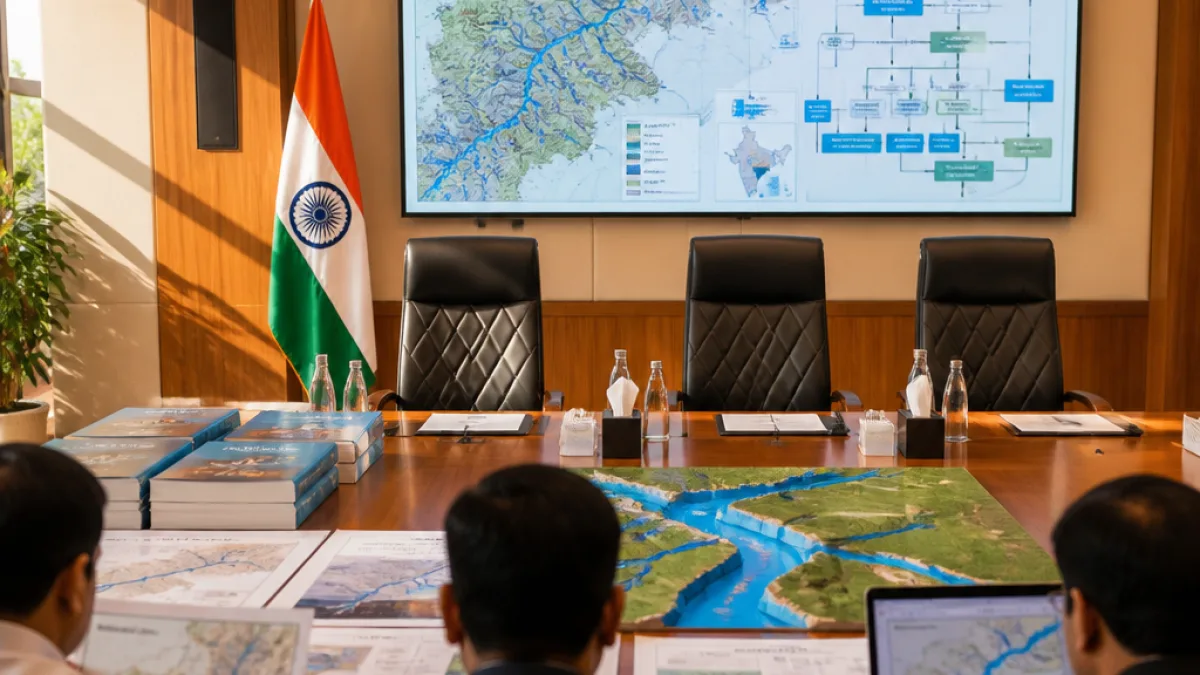
Union Minister of Jal Shakti CR Paatil on Thursday chaired a meeting with the Chief Ministers of Chhattisgarh and Odisha as part of the Centre’s renewed efforts to arrive at an amicable settlement in the long-running Mahanadi water dispute. Senior officers from the Ministry of Jal Shakti, the Central Water Commission (CWC) and representatives of both State governments attended the discussions, according to an official account of the meeting.
The meeting was described by the Centre as an important step to promote resolution through continued dialogue, technical cooperation and principles of cooperative federalism. It underlined the Government of India’s role as facilitator while preserving space for technical consultations among the parties.
“The Mahanadi is a lifeline for millions of people in both the States,” the Union minister observed, according to the official note.
Officials noted that extensive deliberations have taken place over several years on the sharing of Mahanadi waters. At the request of Odisha, the Centre had constituted the Mahanadi Water Disputes Tribunal (MWDT) on March 12, 2018 under the Inter-State River Water Disputes Act, 1956. The Central Government also extended the tribunal’s tenure to ensure all parties had adequate opportunity to present their views.
In recent months, the process reportedly gained momentum as both States signalled willingness to pursue an amicable settlement through mutual cooperation and technical consultations. The Union note said the meeting took stock of progress by the Joint Technical Committee, which has held several meetings and reached consensus on a number of technical issues.
Expanded technical committee formed; initial meeting held
The Centre highlighted the constitution of an expanded Technical Committee chaired by the Chairman of the Central Water Commission and including representatives of Chhattisgarh and Odisha. The expanded panel held its first meeting on July 29 to take forward remaining technical consultations, the official account said.
While the meeting did not announce any immediate political settlement or a binding formula for water sharing, it reiterated the emphasis on sustained technical engagement to resolve disputed issues before any final decision. The approach mirrors the Centre’s repeated preference for technical solutions and mediated talks in interstate river disputes.
- Stakeholders at the meeting: Union Jal Shakti Ministry, Central Water Commission, state representatives from Chhattisgarh and Odisha, Joint Technical Committee members.
- Key institutional mechanism: Mahanadi Water Disputes Tribunal, constituted March 12, 2018.
- Recent development: Expanded Technical Committee convened on July 29 to continue technical consultations.
The Mahanadi basin is a crucial water resource for large populations in both States, underpinning irrigation, drinking water and other needs. The dispute over utilisation and sharing of its flows has been a prolonged and politically sensitive matter, involving technical disagreements over flows, storage projects and assessments of requirements downstream.
By reactivating high-level dialogue and strengthening technical committees, the Centre aims to narrow contested issues and create a pathway that could either lead to an out-of-court negotiated settlement or simplify matters that remain before adjudicatory fora. The MWDT remains in place and its tenure was earlier extended to allow full hearing of the matter.
| Institution | Role | Latest action |
|---|---|---|
| Ministry of Jal Shakti | Facilitator and convenor | Chaired high-level meeting by Union minister |
| Central Water Commission | Technical chair for expanded panel | Chairman heads expanded Technical Committee |
| Mahanadi Water Disputes Tribunal (MWDT) | Adjudicatory mechanism | Constituted in 2018; tenure extended earlier |
Officials said the emphasis remains on resolving technical differences by consensus. If consensus on technical matters can be reached, it could substantially reduce the contours of disagreement that have fed the larger legal and political contest between the two States.
No schedule was announced for follow-up political-level talks. The expanded Technical Committee, which began work on July 29, will be expected to continue consultations and report progress to the Ministry and the participating State governments.
The unfolding of these consultations will be watched closely in both States, where river water allocation remains a sensitive issue with direct bearing on agriculture, drinking water supplies and future infrastructure planning.
Further developments, including any formal agreement or revised technical recommendations, will determine whether the matter moves towards a negotiated settlement or returns to the tribunal process for adjudication.
Rakesh Sahu reports from Chhattisgarh.