Bilaspur — The cremation of a pet dog at the Torwa muktidham public crematorium in Bilaspur has escalated into a civic and religious dispute, with local residents and Hindu organisations demanding action against those who permitted the ceremony. The incident prompted a written complaint, police mediation and a promise from the municipal corporation to investigate the matter.
What happened at Torwa muktidham
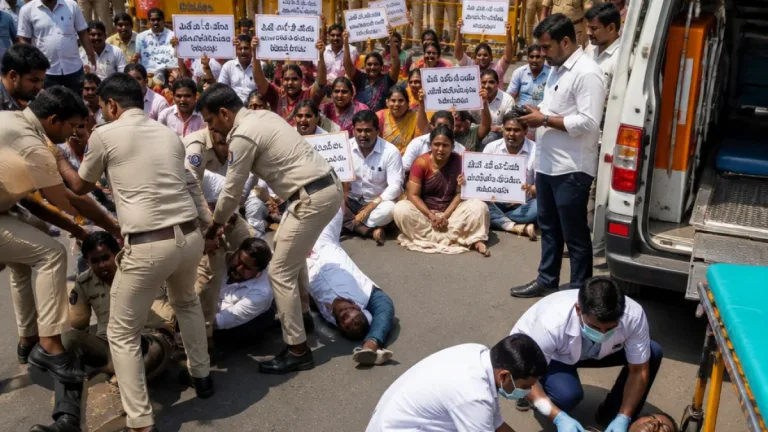
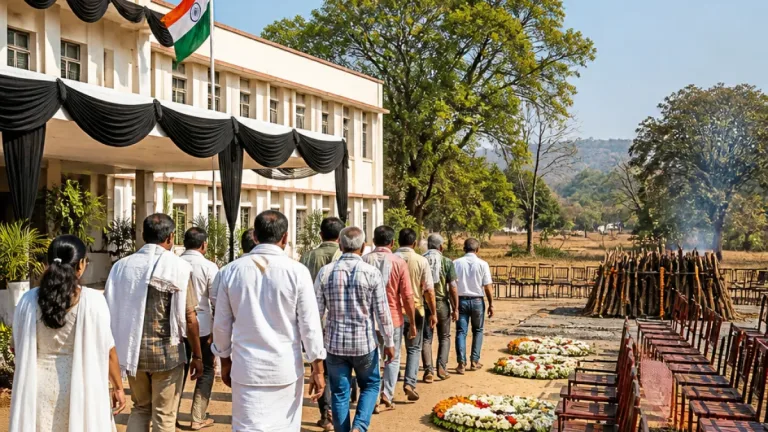
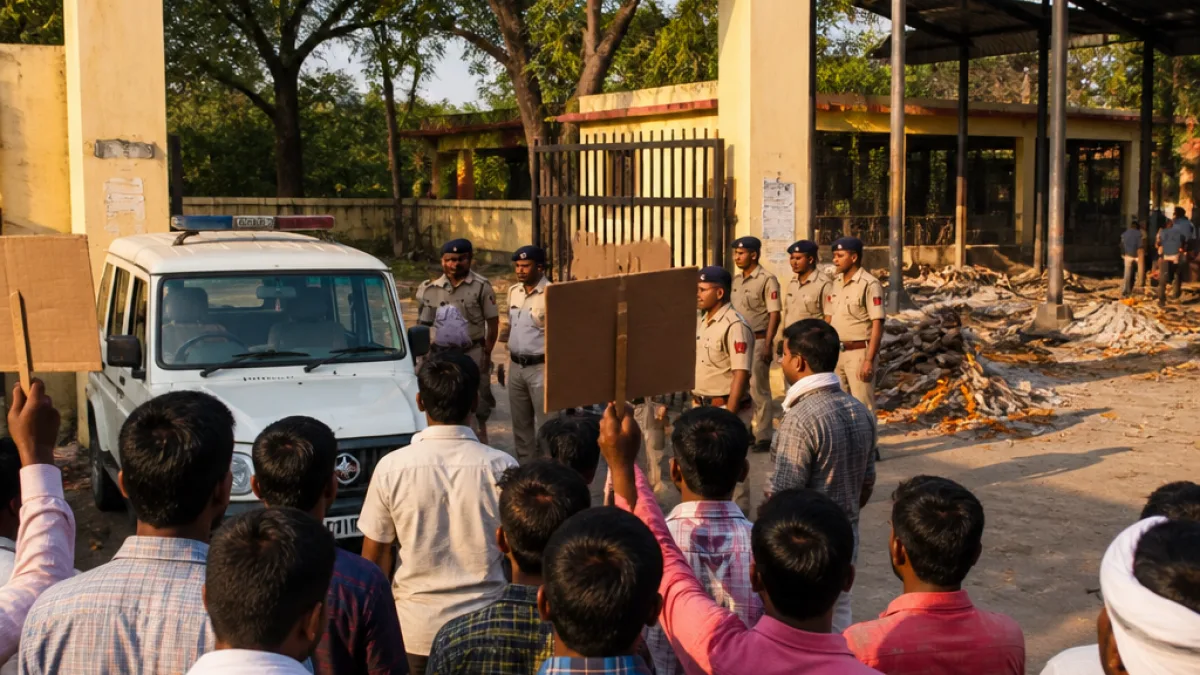
According to reports, a family brought their deceased pet dog to Torwa muktidham and performed last rites there, saying the animal had been part of the household for years and they wanted to give it a dignified farewell. Word of the cremation spread quickly and drew residents and members of local Hindu organisations to the crematorium, who objected to the use of a facility meant for human cremations.
Ward councillor Moti Gangwani arrived at the site and later submitted a written complaint at Torwa police station seeking action against those who allowed the animal’s cremation at the public facility. Protesters alleged that the crematorium caretaker had accepted ₹2,000 to permit the cremation without authorisation from the municipal corporation.
“The crematorium is designated for human last rites; permission should not have been granted for an animal,” a protester was reported as saying.
Police reached the spot after information about the dispute and persuaded both sides to maintain peace. Additional SP Pankaj Patel was reported as saying that no police action had been initiated because the issue was primarily administrative.
Municipal response and next steps
Bilaspur Mayor Pooja Vidhani described the incident as serious and said the municipal corporation would ascertain how permission was granted, if at all, before deciding on further action. The corporation will examine whether established rules for use of public crematoriums were followed and whether the caretaker acted beyond his authority.
The controversy highlights tensions between evolving social practices — such as pet owners seeking formal last rites for companion animals — and long-standing community norms about the sanctity and designated use of public cremation grounds.
- Location: Torwa muktidham crematorium, Bilaspur.
- Allegation: Animal cremated at a facility designated for human last rites.
- Claimed payment: Caretaker accepted ₹2,000 to permit cremation, according to protesters.
- Official stance: Police mediators sought peace; municipal corporation to investigate permission process.
Local context and implications
Bilaspur’s public crematoria are civic assets managed under municipal rules that typically regulate who may use the grounds and under what conditions. Using a public cremation ground for animal rites raises administrative questions about access, precedent and the potential for communal sensitivities to be inflamed.
Residents and religious bodies argued the action contravened established religious practices and public sentiment. The pet owner’s family, according to reports, maintained that their intention was not to hurt anyone’s sentiments and that the dog was regarded as a family member; they asserted they had obtained permission and followed Hindu rituals during the ceremony.
| Stakeholder | Position / Action |
|---|---|
| Pet owner’s family | Said the dog was treated as family and rites were conducted with permission |
| Protesting residents & Hindu groups | Objected to use of facility for an animal; alleged unauthorised permission and payment |
| Ward councillor | Filed written complaint at Torwa police station |
| Police | Mediated on site; said matter is administrative and no FIR yet |
| Municipal corporation (Mayor) | Ordered probe into how permission was granted |
How the municipal corporation proceeds could set a precedent. If the caretaker is found to have authorised the cremation without proper clearance, the corporation may take disciplinary or administrative action. Conversely, if a formal permission was issued, the corporation will need to clarify rules to prevent similar disputes in future.
The episode underscores the need for clear municipal guidelines on use of public cremation facilities and effective communication to residents about permitted uses. For now, authorities have sought to defuse immediate tensions while the civic body determines whether any procedural lapses occurred.