Kolkata received exiled Bangladeshi author Taslima Nasrin on Friday (July 31), her first visit to the city since she was forced to leave following violent protests in 2007, according to reporting by The Hindu and Times of India.
Homecoming after nearly two decades
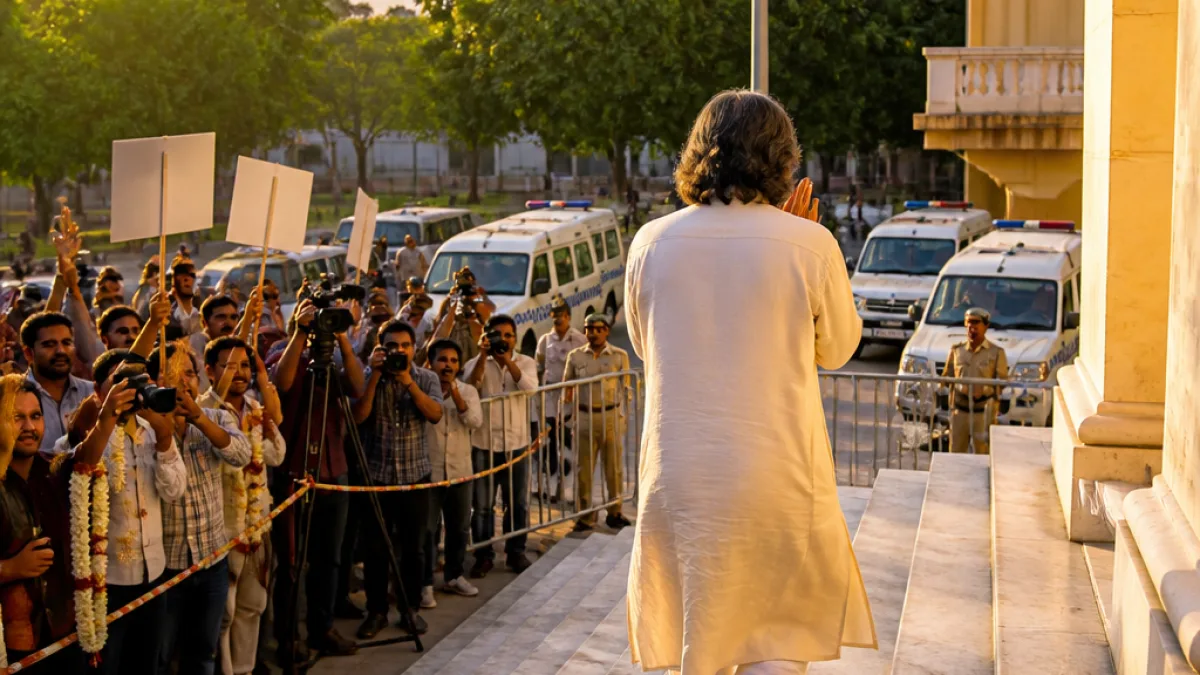
Nasrin arrived from New Delhi and was met at the airport, where she greeted well‑wishers with folded hands and said she was "feeling very good to be back", the Times of India reported. The visit — described by The Hindu as an emotional homecoming — comes almost 19 years after she departed Kolkata amid tensions triggered by reactions to her writings.
The author, who has lived in exile since the 1990s after facing hostility in Bangladesh for her novels and views on religion, is scheduled to make a public appearance at a literary programme on anti‑fundamentalism to be held at Rabindra Sadan. Organisers expect her to recite poetry and speak at the event, reported The Hindu.
Why Nasrin left Kolkata in 2007
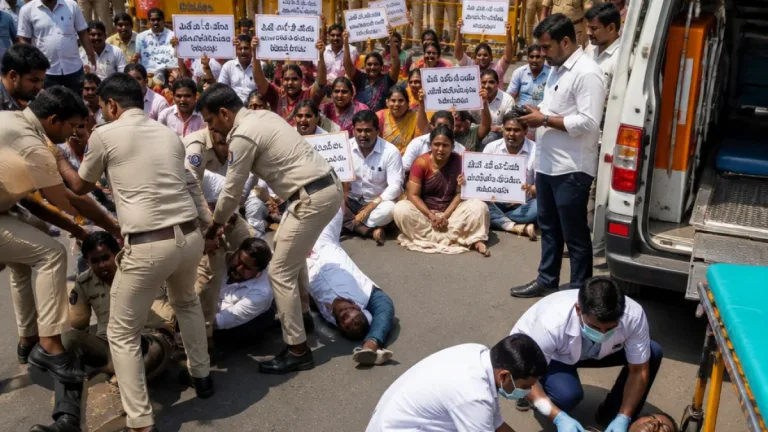
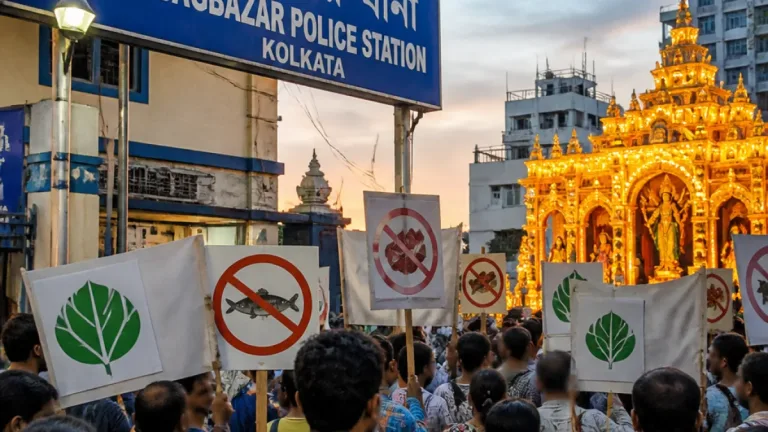
Both outlets reiterate the background to the dramatic shift in Nasrin's life: her forthright criticism of religious fundamentalism and writings on women's rights and patriarchy made her a polarising figure. Her 1993 novel Lajja — which depicted the persecution of a Hindu family in Bangladesh — triggered intense opposition from Islamist groups in her home country, leading to her exile from Bangladesh in the 1990s. Continued controversy and protests later made Kolkata unsafe for her to remain, culminating in her departure from the city in November 2007 after violent demonstrations.
"I feel as though I am returning to my own country. Bengal has never been divided in my heart by a border or a barbed‑wire fence," Nasrin said, according to The Hindu.
Local significance and political overtones
The visit has acquired broader political resonance in the state. The Hindu noted that the event will be viewed beyond a purely literary gathering, occurring months after a change of government in West Bengal and amid renewed public debate over freedom of expression and secularism. The new state administration has sought to frame Nasrin's homecoming as corrective to earlier governments' handling of pressures from religious groups, the report added.
Organisers and the West Bengal government have reportedly facilitated the visit and provided security arrangements, according to The Hindu. Details of the security deployment and the specific organisers were not provided in the reports.
Context: Nasrin's career and controversies
Nasrin, born in Bangladesh in 1962, trained as a doctor before focusing on writing. Her work has persistently addressed social issues — notably women's rights and critiques of patriarchal and religious orthodoxies — which gathered both a substantial readership and fierce opposition from conservative elements. The Times of India and The Hindu underline that Nasrin's outspoken stance on religion and society shaped her trajectory into exile and repeatedly placed her at the centre of public controversies.
The Hindu framed the visit as a symbolic return of a voice that religious fundamentalists had once sought to silence. The Times of India reported that Nasrin expressed both joy and pain on returning, acknowledging Kolkata had earlier offered her a sense of belonging during years away from her native Bangladesh.
- Date of arrival: July 31 (arrived from New Delhi)
- First Kolkata visit since: November 2007
- Planned appearance: Anti‑fundamentalism literary programme at Rabindra Sadan
| Year | Event |
|---|---|
| 1994 | Left Bangladesh after protests over writings (reported) |
| 2007 | Forced to leave Kolkata following violent protests (reported) |
| 2026 | Returned to Kolkata; scheduled Rabindra Sadan appearance (reported) |
The reports did not list names of the event organisers or provide a full schedule for Nasrin's planned activities in the city. They also did not detail any statements from political parties or law‑and‑order authorities beyond confirmation that security was being provided.
As the programme approaches, Kolkata's cultural and civic circles are expected to watch closely. Nasrin's presence underscores long‑running debates in Bengal and nationwide about the limits of expression, the role of religious sentiments in public life, and how civic authorities respond when controversy threatens public order.
Reporting for this article is based on accounts by The Hindu and Times of India.