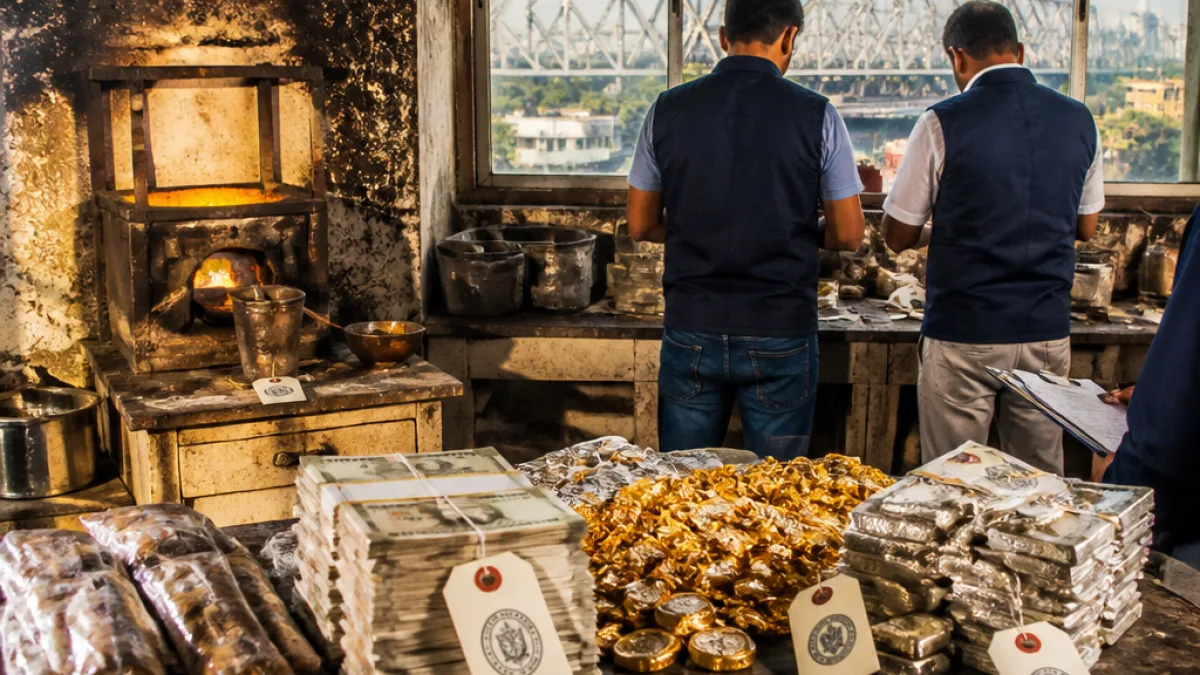
Kolkata: The Directorate of Revenue Intelligence (DRI) has uncovered an organised gold-smuggling and illegal melting racket with operational links to Kolkata, the Ministry of Finance said on March 15. The probe led to seizures of gold, silver and Indian currency totalling more than ₹14 crore and the arrest of six persons, officials stated.
Seizures and arrests
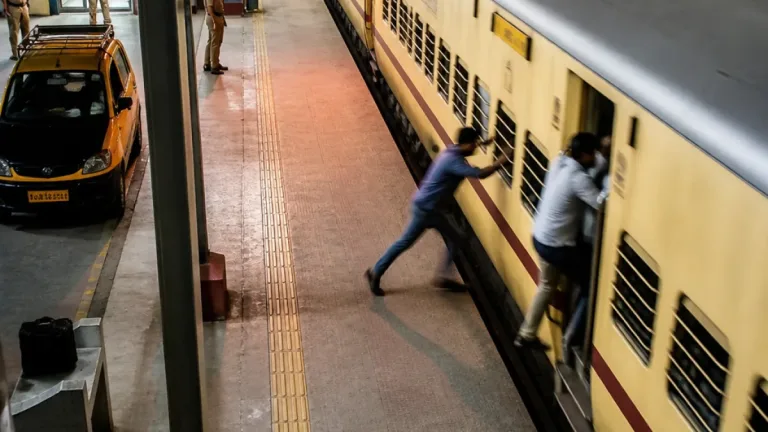
According to the Ministry, DRI officers intercepted a passenger who had arrived from Kolkata by train at New Delhi Railway Station carrying foreign-marked gold intended for delivery to a receiver outside the station. Follow-up searches in Delhi exposed an illegal gold-melting facility alleged to be used to deface foreign-origin gold and make it fit for disposal in the local bullion market.
"The operation resulted in seizure of gold, silver and Indian currency collectively valued at over 14 crore rupees and the arrest of six persons," the Ministry of Finance said.
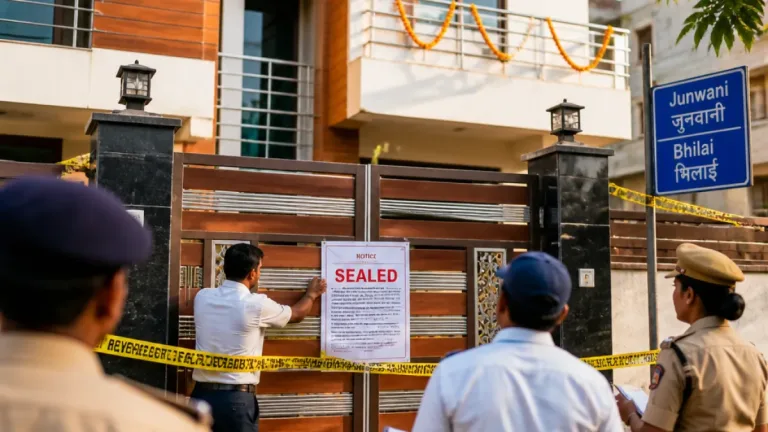
Further investigation, the Ministry added, led the agency to Kolkata where the mastermind of the syndicate was traced to another illegal melting unit along with additional defaced gold.
Items seized
| Item | Quantity | Declared Value |
|---|---|---|
| Gold (foreign-marked/defaced) | Over 8 kg | Over ₹13 crore |
| Silver | 7 kg | Over ₹19 lakh |
| Indian currency | — | Over ₹51 lakh |
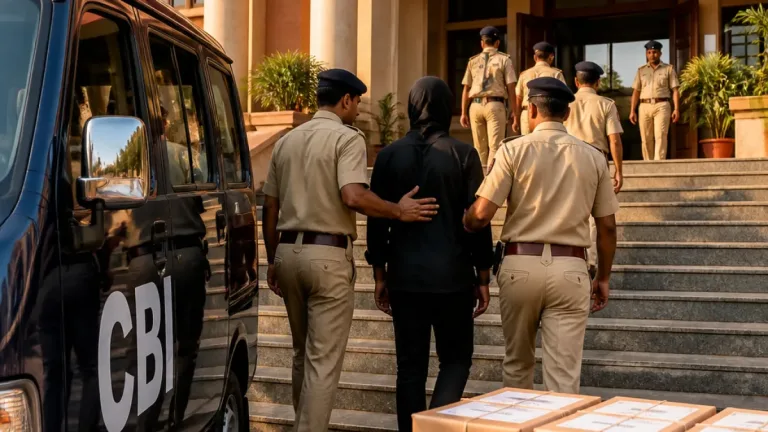
- DRI arrested six persons in connection with the operation.
- Primary interception took place at New Delhi Railway Station involving a passenger from Kolkata.
- Illegal melting facilities were detected in both Delhi and Kolkata, allegedly used to deface foreign-origin gold.
Modus operandi and investigation
Officials said the syndicate imported or otherwise procured gold marked as of foreign origin and transported consignments into India. At illegal melting units, the jewellery or gold articles were processed to alter identifying marks and convert the material into forms acceptable to the domestic bullion trade. The DRI's initial interception in Delhi provided disclosures that enabled searches and follow-up action which uncovered the earlier stages of the network reaching Kolkata.
The Ministry's statement did not disclose the identities of the arrested persons, the precise locations of the melting units, or the timeline of the Kolkata searches. It also did not specify whether any licensed jewellers or bullion traders are under investigation, or if any firms have been implicated.
Local implications
For Kolkata, the probe highlights two concerns: the presence of illegal processing units within the city and the use of passenger rail services as a conduit for moving contraband. Enforcement agencies often point to such decentralised networks that span multiple cities, complicating detection and prosecution. Tracing the ultimate destination of defaced gold and the buyers within the local bullion market will be important for any continuing legal action.
Investigations by the DRI typically proceed to detailed forensic examination of seized items and financial records, followed by possible filing of prosecution complaints under the Customs Act and other relevant statutes. The Ministry's initial disclosure suggests the agency will pursue both the supply chain and the monetary trail to identify all parties involved.
Local law-enforcement and revenue officials in Kolkata could be called upon to assist with searches, evidence collection and follow-up arrests. The city has, in recent years, been cited in several high-value seizure cases where organised networks used small consignments and alterations to evade detection.
The DRI did not provide further comment beyond the Ministry release. The case remains under investigation.